In precision manufacturing, accuracy is everything. How do industries achieve flawless finishes on cylindrical parts? The answer lies in CNC Cylindrical Grinder. These machines are pivotal in shaping and refining components with exacting standards. In this article, you'll discover how CNC cylindrical grinding machines work, their significance in precision machining, and the key advantages they offer.
What is a CNC Cylindrical Grinding Machine?
Definition and Basic Components
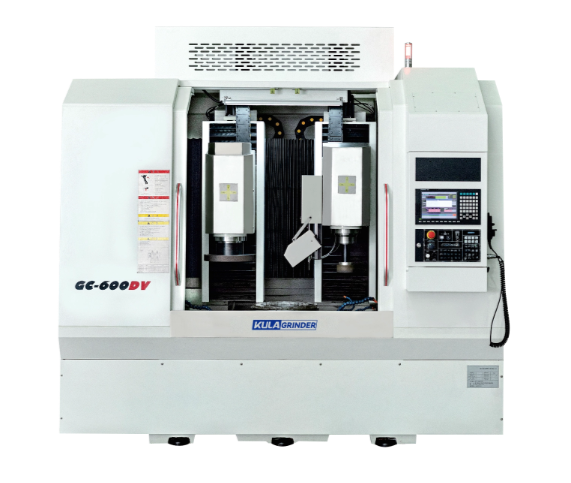
A CNC cylindrical grinding machine is a precision tool designed to shape and finish cylindrical parts by removing material using a rotating abrasive wheel. The "CNC" part means it’s controlled by a computer system, which automates the grinding process to achieve consistent accuracy. These machines are essential in industries where tight tolerances and smooth finishes are critical.
Key components include:
Grinding Wheel: The abrasive tool that cuts the material.
Workpiece Holder: Holds the cylindrical part firmly, often between centers or in a chuck.
CNC Control System: The computer brain that controls movements and grinding parameters.
Servo Motors and Axis Drives: Move the grinding wheel and workpiece precisely.
Coolant System: Keeps the grinding area cool, preventing overheating and tool wear.
How CNC Cylindrical Grinders Work
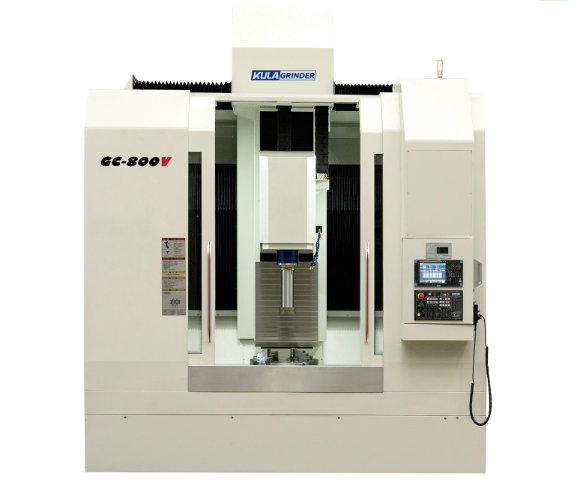
The grinding process starts by securing the workpiece in place. The CNC system then directs the grinding wheel to rotate at high speed and move along the length of the workpiece. Simultaneously, the workpiece itself rotates, allowing the wheel to grind its surface evenly. This coordinated motion ensures the cylindrical shape is accurate and smooth.
The CNC controller follows a pre-programmed path, often generated from CAD designs, to control the depth of cut, speed, and feed rate. This automation reduces human error and enables complex shapes and tight tolerances.
Key Features and Specifications
High Precision: Capable of tolerances as tight as a few microns.
Automation: Programs control multiple grinding passes without manual intervention.
Versatility: Can handle external and internal cylindrical surfaces.
Multiple Axes: Typically includes X, Z, and sometimes Y axes for complex grinding.
Tool Changing: Some models feature automatic tool changers for different grinding wheels.
Coolant Application: Ensures heat control and extends tool life.
Software Integration: Compatible with CAD/CAM software for seamless design-to-production workflow.
Working Principle of CNC Cylindrical Grinding Machines
Role of CNC System in Grinding
The CNC system acts as the brain of the cylindrical grinding machine. It controls every movement of the grinding wheel and the workpiece automatically. Instead of manually adjusting settings, operators input a program based on the part’s design. The system then follows this program precisely, moving the grinding wheel along the workpiece and adjusting speed, feed rate, and depth of cut.
This computerized control ensures consistent accuracy across many parts. It reduces human error and allows complex shapes to be ground with tight tolerances. The CNC system also manages tool changes and other machine functions, further automating the process.
Automated Processes and Precision
Automation in CNC cylindrical grinding means the machine can perform multiple grinding passes without stopping. It automatically adjusts parameters to optimize material removal and surface finish. The grinding wheel rotates at high speeds, while the workpiece spins steadily, allowing smooth, even grinding on cylindrical surfaces.
Sensors and feedback systems monitor the process in real time. They detect any deviations and correct them immediately, maintaining precision. This closed-loop control helps achieve tolerances as tight as a few microns and surface finishes suitable for critical applications.
The automation also speeds up production. It reduces setup time and operator involvement, making it ideal for high-volume manufacturing where repeatability matters.
Integration with CAD Software
CNC cylindrical grinding machines often integrate with CAD (Computer-Aided Design) software. Designers create detailed 3D models of the parts. These models export to CAM (Computer-Aided Manufacturing) software, which generates the CNC program.
This seamless workflow from design to production eliminates manual programming errors. It allows complex geometries to be ground accurately. Changes in design can quickly update the CNC program, enabling fast prototyping and small-batch production.
The integration also supports simulation before actual grinding. Operators can visualize the grinding path and detect potential issues early, saving time and reducing scrap.
Types of CNC Cylindrical Grinding Processes
CNC cylindrical grinding machines use different grinding methods depending on the shape and size of the workpiece. Understanding these types helps choose the right process for your precision machining needs. The three main types are External Cylindrical Grinding, Internal Cylindrical Grinding, and Centerless Cylindrical Grinding.
External Cylindrical Grinding
External cylindrical grinding focuses on the outer surface of a cylindrical workpiece. The workpiece rotates while the grinding wheel moves along its length, removing material to achieve a smooth, accurate finish. This process is common for shafts, rods, and pins.
How it works: The grinding wheel spins at high speed. The workpiece is held between centers or in a chuck and rotates simultaneously. The wheel moves axially to grind the entire outer surface.
Applications: Automotive crankshafts, aerospace shafts, hydraulic cylinders.
Key benefits: Achieves tight diameter tolerances and smooth finishes on external surfaces.
Internal Cylindrical Grinding
Internal cylindrical grinding targets the inside diameter of hollow parts. It requires a smaller grinding wheel that fits inside the workpiece to grind internal surfaces like bores or tubes.
How it works: The grinding wheel rotates inside the workpiece. The wheel moves in and out or along the length to grind the internal surface precisely.
Applications: Bearings, engine cylinders, medical device components.
Key benefits: Provides precise internal diameters and smooth finishes critical for fit and function.
Centerless Cylindrical Grinding
Centerless grinding differs from the other two by not requiring the workpiece to be held between centers or a chuck. Instead, the workpiece rests on a work rest blade and is regulated by a regulating wheel while the grinding wheel removes material.
How it works: The grinding wheel removes material while the regulating wheel controls the workpiece’s rotation and feed rate. The workpiece continuously moves through the grinding zone.
Applications: Mass production of pins, rods, and small cylindrical parts.
Key benefits: High throughput, consistent diameters, no need for workpiece mounting.
Note: Choosing the right cylindrical grinding process depends on the workpiece geometry, production volume, and required precision. External grinding suits outer surfaces, internal grinding works best for bores, and centerless grinding excels in high-volume, small-part production.
Materials Processed with CNC Cylindrical Grinding
CNC cylindrical grinding machines handle a wide range of materials. Their precision and versatility make them ideal for tough jobs across industries. Let’s explore the main material types processed by these machines.
Common Metals and Alloys
Metals are the most frequently ground materials due to their strength and widespread use. CNC cylindrical grinders excel at producing precise finishes on these metals:
Steel: From mild to hardened steel, it’s popular for shafts, gears, and automotive parts. Grinding steel requires durable wheels to handle its hardness.
Stainless Steel: Known for corrosion resistance, it’s common in medical and food equipment. It’s tougher to grind because it tends to work-harden.
Aluminum: Lightweight and soft, aluminum is easy to grind but may clog abrasive wheels if not properly managed.
Titanium: Strong and heat-resistant, titanium is used in aerospace and medical implants. Grinding it needs careful cooling to avoid overheating.
Nickel Alloys: Used in high-temperature applications, these alloys require specialized grinding wheels to maintain precision.
Ceramics and Composites
These materials are harder and more brittle than metals but are increasingly important in advanced manufacturing:
Ceramics: Materials like alumina and silicon carbide are very hard and heat-resistant. CNC grinding shapes them precisely for electronics, cutting tools, and medical parts.
Composites: Carbon fiber and fiberglass combine strength and lightness. Grinding composites is tricky because they wear down wheels faster and need special handling.
Plastics and Exotic Materials
CNC cylindrical grinding also works on non-metal materials, expanding its application scope:
Plastics: Materials like polycarbonate and PTFE are ground for medical devices and electronics. They require low heat during grinding to avoid melting.
Exotic Metals: Precious metals such as gold and platinum are ground for electronics and jewelry. Their softness demands delicate grinding to prevent damage.
Industries Utilizing CNC Cylindrical Grinding Machines
CNC cylindrical grinding machines play a crucial role across many industries. Their precision and efficiency make them perfect for manufacturing parts where accuracy matters most. Let’s explore the key industries that rely heavily on these machines.
Aerospace and Automotive
Both aerospace and automotive sectors demand parts with tight tolerances and flawless finishes. CNC cylindrical grinders help produce components like engine shafts, turbine blades, and transmission parts. These parts must withstand high stress and operate smoothly.
Aerospace: Aircraft engines, landing gear components, and hydraulic systems require precise cylindrical parts. CNC grinding ensures they meet strict safety and performance standards.
Automotive: Crankshafts, camshafts, and drive shafts all benefit from CNC grinding. The process improves durability and reduces vibrations for better vehicle performance.
Medical Devices and Electronics
In medical and electronics industries, even tiny deviations can cause big problems. CNC cylindrical grinding machines deliver the accuracy needed to make surgical tools, implants, and electronic connectors.
Medical Devices: Implants like hip joints and surgical instruments need smooth surfaces and exact dimensions to ensure safety and comfort.
Electronics: Connectors, precision pins, and micro-components require tight tolerances for reliable electrical connections and device performance.
Tool and Die Making
Tool and die making demands high precision for molds, cutting tools, and dies. CNC cylindrical grinding machines help create tools that produce consistent, high-quality parts.
Cutting Tools: Grinding sharpens and shapes drills, end mills, and reamers for effective machining.
Molds and Dies: Accurate cylindrical surfaces ensure molds and dies produce flawless parts in mass production.
Key Advantages of CNC Cylindrical Grinding
High Precision and Consistency
CNC cylindrical grinding machines deliver exceptional precision. They can maintain tolerances down to a few microns, ensuring every part meets exact specifications. The CNC system controls every movement of the grinding wheel and the workpiece, eliminating human error. This results in consistent quality across large production runs. Whether grinding shafts for aerospace engines or medical implants, you can trust the machine to produce repeatable results. The closed-loop feedback systems continuously monitor the process, making real-time adjustments to keep accuracy on track.
Versatility in Complex Geometries
These machines handle complex shapes that manual grinding struggles with. Multiple axes and programmable tool paths let CNC grinders create intricate profiles, grooves, tapers, and contours on cylindrical parts. They can switch between external, internal, and centerless grinding without losing precision. This flexibility makes them ideal for producing parts with tight tolerances and complicated designs. For example, aerospace components often require multi-step grinding with varying diameters and surface finishes, all achievable in one setup on a CNC cylindrical grinder.
Efficiency through Automation
Automation is a major advantage of CNC cylindrical grinding. Once the program is set, the machine runs unattended, performing multiple grinding passes and tool changes automatically. This reduces setup time and operator intervention. Automated coolant systems keep the workpiece and wheel cool, preventing overheating and tool wear. The result is faster cycle times and higher throughput. For manufacturers, this means lower labor costs and increased production capacity without sacrificing quality. It also supports just-in-time manufacturing and small batch runs by enabling quick program changes.
Conclusion
CNC cylindrical grinding machines offer high precision, consistency, and versatility in complex geometries, enhancing efficiency through automation. They are vital for precision machining, with promising future prospects. Companies like KULA Precision Machinery Co., Ltd. provide advanced CNC grinding solutions, ensuring exceptional quality and value. Their products stand out for their precision and automation capabilities, supporting various industries with reliable performance and innovative features. These machines are indispensable in achieving high-quality finishes and tight tolerances across diverse applications.
FAQ
Q: What is a CNC Cylindrical Grinder?
A: A CNC Cylindrical Grinder is a precision tool used to shape and finish cylindrical parts with high accuracy, controlled by a computer system.
Q: How does a CNC Cylindrical Grinder work?
A: It works by rotating a grinding wheel at high speed while the workpiece rotates and moves along its length, directed by a CNC system.
Q: Why use a CNC Cylindrical Grinder?
A: It offers high precision, consistency, and efficiency, ideal for industries requiring tight tolerances and smooth finishes.
Q: What are the benefits of a CNC Cylindrical Grinder?
A: Key benefits include high precision, automation, versatility in complex geometries, and increased production efficiency.


