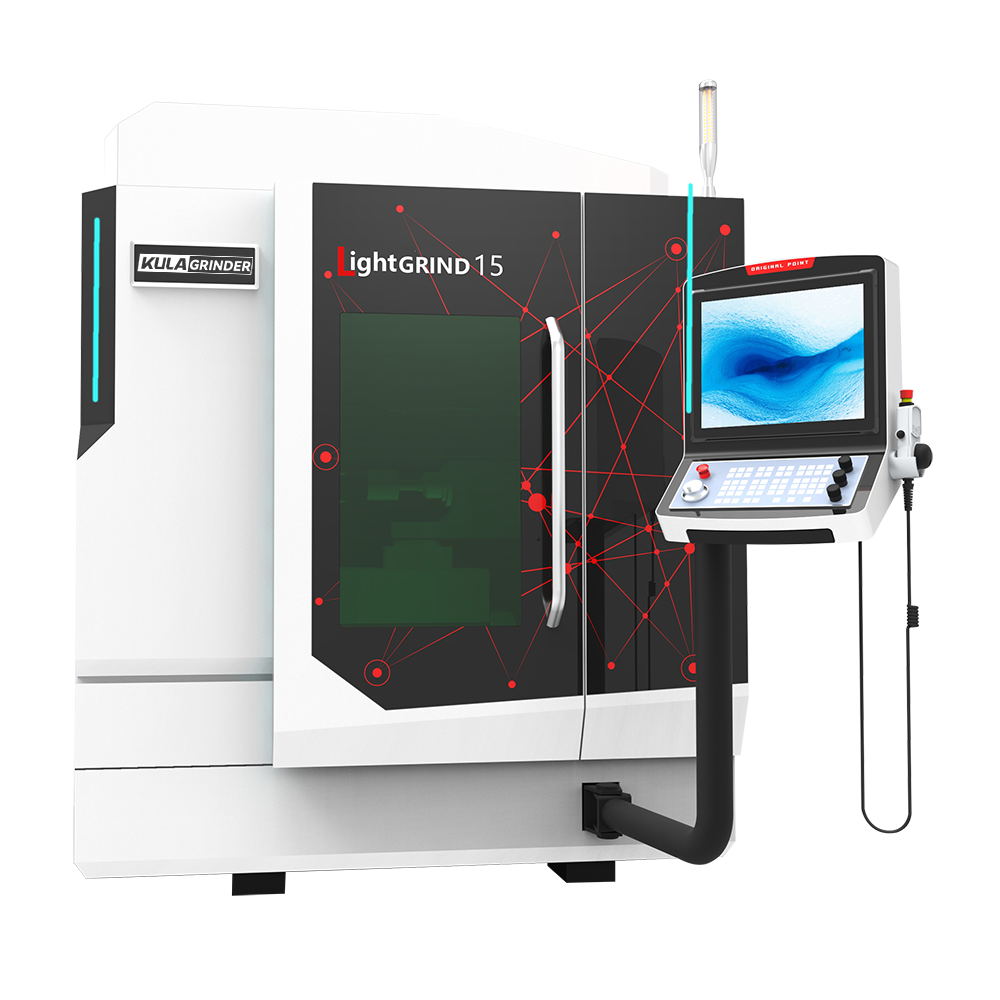
Comprehensive CNC Grinding Machine Process Overview
Workpiece Preparation and Setup
The CNC grinding process starts with careful workpiece preparation. Securing the workpiece firmly is crucial for precision. Fixtures or clamps hold the part in place to prevent movement during grinding. Proper alignment ensures the grinding wheel contacts the workpiece at the right angle and position. This step is vital whether using a CNC cylindrical grinding machine, a CNC centerless grinding machine, or a CNC internal grinder. Preparing the workpiece well reduces errors and improves surface finish quality.
Programming and Machine Configuration
Programming a CNC grinding machine involves creating a detailed CNC grinding program that controls wheel speed, feed rate, depth of cut, and tool paths. Operators use CAM software to translate design specifications into machine instructions. This step is critical for complex parts, such as those processed on a CNC profile grinder or CNC thread grinder. Proper machine configuration includes selecting the right CNC grinding wheel and calibrating the machine to ensure accuracy. The CNC grinding program ensures consistent results with minimal manual intervention.
Rough Grinding: Material Removal Techniques
Rough grinding removes the bulk of excess material quickly. The focus here is on efficient material removal rather than finish quality. Techniques vary depending on the machine type. For example, a CNC crankshaft grinding machine removes large amounts of metal from crankshafts, while a CNC roll grinder handles cylindrical rolls. The grinding wheel used in this phase is usually coarser to maximize cutting efficiency. Operators set higher feed rates and deeper cuts to speed up the process while avoiding damage to the workpiece.
Fine Grinding: Achieving Precision and Surface Finish
After rough grinding, fine grinding refines the part’s dimensions and surface finish. This step uses finer-grit grinding wheels and slower feed rates to achieve tight tolerances and smooth surfaces. CNC jig grinders and CNC tool grinding machines excel in this phase, capable of producing intricate shapes and precise edges. Fine grinding ensures that parts meet strict specifications, essential for components in aerospace or medical devices. The process often involves multiple passes, gradually improving accuracy and reducing surface roughness.
Finishing Operations and Quality Assurance
Finishing operations may include polishing, deburring, or applying coatings to enhance part performance. Quality assurance is integral throughout the CNC grinding machine operation. Inspection tools like coordinate measuring machines (CMM) and surface roughness testers verify dimensions and finish. If deviations appear, adjustments to the CNC grinding program or machine setup are made. This continuous feedback loop guarantees that every part leaving the production line meets or exceeds quality standards.
Common Challenges and How to Overcome Them
Common challenges include wheel wear, thermal damage, and workpiece vibration. Wheel wear reduces grinding efficiency and accuracy; regular dressing of the CNC grinding wheel restores its profile. Thermal damage can cause surface burns or distortions; using proper coolant flow and optimizing grinding parameters mitigates this risk. Vibration affects surface finish and dimensional accuracy; ensuring rigid setups and balanced wheels helps maintain stability. Skilled operators and routine maintenance are key to overcoming these issues.
Best Practices for Optimizing CNC Grinding Machine Performance
To maximize performance, select grinding wheels matched to material hardness and part geometry. Regularly calibrate the CNC grinding machine to preserve precision. Monitor process parameters like wheel speed, feed rate, and coolant flow to maintain consistency. Implement preventive maintenance schedules to reduce downtime. Additionally, investing in operator training on CNC grinding machine operation and CNC grinding program optimization enhances productivity and part quality.
Types of CNC Grinding Machines and Their Applications
CNC grinding machines come in various types, each designed for specific applications and workpiece geometries. Understanding these types helps you select the right machine for your manufacturing needs, whether it's a simple flat surface or a complex internal profile.
Surface CNC Grinding Machines: Features and Uses
Surface CNC grinding machines specialize in producing flat or contoured surfaces. They use a rotating CNC grinding wheel that moves across the workpiece, which is usually secured on a magnetic or mechanical chuck. These machines excel at achieving exceptional flatness and smooth finishes.
Applications:
Finishing mold bases and die components
Creating flat surfaces on machine parts
Enhancing surface hardness and wear resistance
Surface CNC grinders are widely used in automotive and tooling industries where precise surface quality is critical.
Cylindrical CNC Grinding Machines for Precision Shafts
Cylindrical CNC grinding machines focus on external and internal cylindrical surfaces. The workpiece rotates between centers while the grinding wheel moves along its length. This setup allows precise control of diameter, taper, and surface finish.
Applications:
Grinding shafts, rods, and pins
Producing crankshafts, camshafts, and rollers
Manufacturing precision bearings and spindles
These machines are essential in automotive, aerospace, and industrial equipment manufacturing where tight tolerances are mandatory.
Centerless CNC Grinding Machines for High-Volume Production
Centerless CNC grinding machines operate without centers or chucks. The workpiece is supported by a work-rest blade and positioned between a high-speed grinding wheel and a regulating wheel. This configuration enables continuous and fast grinding.
Applications:
Mass production of cylindrical parts like pins and tubes
Grinding small components such as dowels and bearings
High throughput in automotive and medical device sectors
Centerless grinders are prized for their efficiency and consistent quality in large production runs.
Internal CNC Grinding Machines for Complex Inner Surfaces
Internal CNC grinding machines use small-diameter grinding wheels to machine inner diameters and bores. The workpiece rotates while the grinding wheel oscillates or moves axially inside the bore.
Applications:
Precision grinding of bearing races and bushings
Machining cylinder bores and valve guides
Producing intricate internal profiles
These machines are vital for components requiring exact internal dimensions and smooth finishes.
Specialized CNC Grinding Machines: Gear, Thread, and Tool & Cutter Grinders
Specialized CNC grinders handle unique grinding tasks:
Gear Grinders: Precisely grind gear teeth for smooth meshing and durability.
Thread Grinders: Produce accurate screw threads on bolts, nuts, and lead screws.
CNC Tool & Cutter Grinders: Sharpen and shape cutting tools like drills and end mills.
These machines support industries such as automotive, aerospace, and tooling by ensuring component functionality and longevity.
Selecting the Right CNC Grinding Machine for Your Needs
Choosing the perfect CNC grinding machine is crucial for achieving precision, efficiency, and cost-effectiveness in your manufacturing process. Several factors come into play, from the type of material you work with to the complexity of the parts you produce. Let’s break down the key considerations to help you make an informed decision.
Assessing Material Types and Hardness
Different materials require different grinding approaches. For example, hardened steels and alloys often need a CNC crankshaft grinding machine or a CNC tool grinding machine equipped with superabrasive wheels like CBN or diamond. Softer metals like aluminum or brass can be ground effectively with conventional grinding wheels, but you must watch out for wheel loading. Non-metallic materials such as ceramics or composites may require specialized CNC profile grinders or internal grinders designed to handle brittleness without causing cracks.
Understanding your material’s hardness and machinability helps in selecting the right grinding wheel and machine type. Machines capable of adjusting wheel speed and feed rates dynamically will better accommodate varying material hardness.
Matching Machine Capabilities to Part Complexity
The complexity of your parts dictates the type of CNC grinder you need. For simple flat surfaces, a CNC surface grinding machine suffices. For cylindrical parts like shafts or rollers, a CNC cylindrical grinding machine or CNC roll grinder is ideal. Complex internal geometries require a CNC internal grinder or CNC jig grinder.
If your parts have intricate profiles or threads, consider a CNC thread grinder or CNC profile grinder for precise contouring. High-volume production typically benefits from CNC centerless grinding machines, which offer fast throughput without sacrificing accuracy.
Evaluating Precision and Tolerance Requirements
Precision needs vary widely across industries. Aerospace and medical device components often demand tolerances within microns, necessitating machines with advanced CNC grinding program capabilities and multi-axis control. Look for CNC grinders with high repeatability, fine grinding wheel control, and thermal compensation features.
For less critical applications, standard CNC grinding machines with moderate tolerance capabilities may be sufficient. Always align the machine’s precision specifications with your part’s tolerance requirements to avoid overspending on unnecessary features.
Budget Considerations and Cost-Benefit Analysis
CNC grinding machines range widely in price, from more affordable models suited for small shops to high-end machines with extensive automation and multi-axis capabilities. Factor in not only the initial purchase price but also operating costs such as consumables (grinding wheels, coolant), maintenance, and skilled labor.
Investing in a versatile CNC grinder that can handle multiple part types may reduce the need for multiple machines, saving space and cost. Conversely, specialized machines like a CNC crankshaft grinding machine may justify their cost by improving productivity and part quality in niche applications.
Key Features to Look for in a CNC Grinding Machine
Automation and CNC Control: Advanced CNC grinding program support for complex geometries.
Multi-Axis Capability: For intricate profiles and internal grinding.
Wheel Dressing Systems: To maintain grinding wheel profile and extend wheel life.
Thermal Compensation: To minimize heat-induced errors during grinding.
Workholding Flexibility: Ability to secure various part sizes and shapes.
User-Friendly Interface: Simplifies programming and machine operation.
Support and Service: Reliable manufacturer support and availability of parts and service.
Selecting a CNC grinding machine that balances these features with your production needs and budget will unlock efficiency and precision in your manufacturing process.
Materials Suitable for CNC Grinding Machines
CNC grinding machines are incredibly versatile and can handle a wide range of materials. Each material presents unique challenges and requires specific grinding techniques, wheel types, and machine settings. Understanding these materials helps you optimize your CNC grinding machine operation for precision and efficiency.
Metals: Steel, Aluminum, Titanium, and Alloys
Metals are the most common materials processed by CNC grinding machines. Steel alloys, including carbon steel, tool steel, and stainless steel, are frequently ground to achieve tight tolerances and smooth finishes. For example, a CNC crankshaft grinding machine efficiently shapes hardened steel crankshafts used in automotive engines.
Aluminum alloys, such as 6061 and 7075, are lighter and softer but require careful wheel selection to avoid loading and ensure a fine surface finish. Titanium is prized for its strength-to-weight ratio and corrosion resistance but is challenging to grind due to its toughness and heat sensitivity. CNC grinders with advanced cooling and precise feed control are ideal for titanium parts.
Nickel-based alloys like Inconel and Hastelloy, used in aerospace, demand superabrasive grinding wheels, often diamond or CBN, to handle their hardness and heat resistance. CNC cylindrical grinding machines excel in producing precision shafts and aerospace components from these metals.
Hardened Materials and Tool Steels
Hardened steels and tool steels are common in molds, dies, and cutting tools. Their high hardness requires specialized CNC tool grinding machines or CNC jig grinders equipped with superabrasive grinding wheels. These machines maintain accuracy while minimizing thermal damage and wheel wear.
Carbide and ceramics, often used in tooling, also fall under hardened materials. CNC internal grinders and CNC profile grinders can shape complex internal and external geometries on these materials with micron-level precision.
Non-Metallic Materials: Plastics, Composites, and Ceramics
CNC grinding machines can process select non-metallic materials, though these require different approaches. Plastics like nylon, PVC, and acrylic are softer and prone to melting if overheated. Using lower speeds and specially formulated grinding wheels prevents deformation.
Composite materials such as carbon fiber and fiberglass need careful handling to avoid delamination or fiber pull-out. CNC grinding services often customize parameters to maintain composite integrity while achieving precise dimensions.
Ceramics are brittle but extremely hard. CNC grinders with diamond wheels and stable machine setups produce smooth finishes on ceramic parts used in medical devices and electronics.
Specialty Materials: Precious Metals and Glass
Precious metals like gold, silver, and platinum are ground for jewelry and electronics. Their softness demands gentle grinding with fine wheels and controlled feed rates to avoid surface damage.
Glass and optical materials require ultra-precise CNC grinding to achieve smooth, scratch-free surfaces. Specialized CNC grinding machines with vibration isolation and coolant systems ensure high-quality finishes.
Material-Specific Grinding Challenges and Solutions
Each material brings its own challenges:
Wheel Loading: Softer metals and plastics can clog grinding wheels. Using open-structured wheels and proper coolant flow mitigates this.
Thermal Damage: Hard metals and composites risk heat-induced cracks or distortion. Optimizing feed rates and coolant application prevents damage.
Brittleness: Ceramics and glass require gentle grinding to avoid cracking. Using diamond wheels and stable setups is key.
Surface Finish: Achieving the desired finish may require multiple grinding passes with varying wheel grits and speeds.
By tailoring the CNC grinding program and machine setup to the material, you ensure optimal performance and part quality across diverse applications.
Maximizing Productivity and Quality with CNC Grinding Machines
Optimizing Grinding Wheel and Tool Selection
Choosing the right CNC grinding wheel is essential for productivity and quality. The wheel's abrasive material, grit size, bond type, and structure must match the workpiece material and the grinding operation. For example, cubic boron nitride (CBN) wheels are excellent for hardened steels, while diamond wheels suit ceramics and carbides. A coarse grit wheel is ideal for rough grinding to remove material quickly, whereas fine grit wheels deliver superior surface finishes during fine grinding. Using the correct wheel reduces wear, prevents wheel loading, and improves cycle times.
Similarly, selecting the right tools, such as CNC tool grinding machines or CNC profile grinders, enhances precision. Regular dressing of grinding wheels restores their shape and cutting ability, ensuring consistent results. Tool selection also depends on part geometry and complexity—specialized CNC thread grinders or CNC internal grinders require specific tooling to maintain accuracy.
Maintaining Machine Calibration and Precision
Regular calibration of your CNC grinding machine is vital. It ensures that the machine operates within specified tolerances and maintains repeatability. Calibration involves checking and adjusting axes alignment, spindle runout, and tool offsets. Neglecting these can lead to dimensional errors and poor surface finish.
Preventive maintenance, including lubrication, cleaning, and inspection of mechanical components, keeps the machine running smoothly. Thermal compensation systems in advanced CNC grinders help counteract heat-induced deviations during operation. Keeping the machine well-maintained minimizes downtime and costly rework.
Monitoring Process Parameters for Consistent Results
Consistent monitoring of process parameters like wheel speed, feed rate, depth of cut, and coolant flow is crucial. These variables directly affect surface finish, dimensional accuracy, and grinding efficiency. For example, too high a feed rate can cause chatter or burns, while insufficient coolant flow may lead to thermal damage.
Using sensors and real-time feedback systems integrated into CNC grinding machines allows operators to detect deviations early and adjust settings promptly. This proactive approach reduces scrap rates and enhances productivity. Maintaining detailed process logs also helps identify trends and optimize grinding programs over time.
Implementing Effective Quality Control Procedures
Quality control should be integrated into every stage of CNC grinding machine operation. Employing precision measurement tools such as coordinate measuring machines (CMM), surface roughness testers, and optical comparators verifies that parts meet specifications. In-process inspections help catch errors before they escalate.
Standardizing inspection protocols and training operators on quality standards ensures consistent output. Additionally, feedback from quality checks can inform adjustments to the CNC grinding program or machine setup, closing the loop for continuous improvement. This systematic approach guarantees that parts leaving the line are reliable and meet customer expectations.
Cost Considerations and ROI of CNC Grinding Machines
Initial Investment and Machine Pricing Overview
Investing in a CNC grinding machine is a significant decision for any manufacturing operation. Prices vary widely depending on the machine type, size, precision level, and automation features. For example, a basic CNC surface grinding machine might start around $50,000, while high-end CNC crankshaft grinding machines or multi-axis CNC tool grinding machines can exceed $500,000. Specialized machines like CNC profile grinders or CNC thread grinders also command premium prices due to their complexity.
Leading brands such as Haas, Studer, ANCA, Toyota, and Makino offer machines with different capabilities and price points. When budgeting, consider not just the sticker price but also the included features like CNC grinding program software, wheel dressing systems, and thermal compensation technology. These can impact long-term productivity and part quality.
Operating Costs: Labor, Consumables, and Maintenance
Beyond the initial purchase, operating a CNC grinding machine involves ongoing expenses. Skilled labor is essential for programming, setup, and operation. Although CNC automation reduces manual intervention, expert operators are needed for maintenance and troubleshooting.
Consumables like CNC grinding wheels, coolant fluids, and workholding fixtures contribute to recurring costs. Grinding wheels, especially superabrasives like CBN or diamond, can be costly but offer longer life and better performance on hardened materials.
Maintenance is critical to keep the machine calibrated and precise. Regular servicing, wheel dressing, spindle checks, and software updates help prevent downtime and maintain quality. Energy consumption also factors in, as grinding machines often run high-speed spindles and coolant pumps.
Reducing Costs Through Efficient Programming and Setup
One effective way to lower CNC grinding costs is optimizing the CNC grinding program. Efficient programming reduces cycle times and minimizes tool wear. Using simulation software before running the program can prevent errors and scrap.
Proper workpiece setup and fixture selection decrease machine idle time and improve repeatability. Automated wheel dressing systems maintain grinding wheel profiles, reducing manual intervention and wheel replacement frequency.
Batch processing and scheduling similar parts together can also improve machine utilization and lower per-part costs. Investing in operator training ensures the team can quickly adjust programs and setups to changing production demands.
Calculating ROI for CNC Grinding Machine Implementation
Calculating the return on investment (ROI) involves comparing the total costs against the benefits gained. Benefits include improved part quality, reduced scrap rates, faster production cycles, and lower labor costs.
For example, a CNC crankshaft grinding machine might reduce cycle time by 30% compared to manual grinding, while delivering tighter tolerances. Over time, these efficiencies translate into higher throughput and better customer satisfaction.
Consider factors such as machine lifespan, maintenance costs, and potential for expanding production capabilities. ROI is also influenced by the machine’s flexibility to handle various parts, reducing the need for multiple specialized machines.
A thorough cost-benefit analysis helps justify the upfront investment and guides decision-making on machine selection and process improvements.
Alternatives to CNC Grinding Machines and When to Use Them
When considering precision machining, CNC grinding machines are often the go-to choice for accuracy and efficiency. However, there are scenarios where alternatives might better fit your needs. Understanding these options helps you select the most cost-effective and suitable method for your application.
Manual Grinding vs. CNC Grinding: Pros and Cons
Manual grinding relies on skilled operators to control the grinding wheel by hand or semi-automated machines. It’s ideal for simple jobs, low-volume runs, or quick fixes. The advantages include lower equipment costs and flexibility for custom or one-off parts. However, manual grinding has limitations:
Inconsistency: Operator skill greatly affects precision and surface finish.
Lower Productivity: It’s slower and less efficient for high-volume manufacturing.
Limited Complex Geometry: Difficult to achieve intricate shapes or tight tolerances.
CNC grinding machines, in contrast, offer:
High Precision: Achieve micron-level tolerances consistently.
Automation: Reduced human error and increased throughput.
Complex Capabilities: Handle complex profiles, internal features, and multi-axis operations.
For projects demanding repeatability and complex geometries, CNC grinding is superior. Manual grinding suits simple, low-volume tasks or rapid prototyping.
Conventional Grinding Machines Compared to CNC
Conventional grinding machines operate manually or with limited automation. They use fixed tool paths and require frequent operator adjustments. These machines can be cost-effective for straightforward grinding jobs but lack the flexibility and precision of CNC grinders.
Key differences include:
| Feature | Conventional Grinding | CNC Grinding Machine |
| Automation | Minimal to none | Fully automated |
| Precision | Operator dependent | Consistent, programmable |
| Complexity | Limited to simple shapes | Complex profiles and contours |
| Setup Time | Shorter for simple parts | Longer due to programming |
| Production Volume | Suitable for small batches | Efficient for high-volume runs |
Conventional grinders remain relevant for basic surface finishing or where budget constraints exist. For tight tolerances and complex parts, CNC grinding machines outperform conventional options.
Other Machining Techniques: Milling, Turning, and EDM
Sometimes, grinding isn’t the best choice. Other machining methods might better suit your part requirements:
Milling: Ideal for removing large amounts of material quickly and creating complex 3D shapes but less effective for ultra-fine finishes or very hard materials.
Turning: Efficient for cylindrical parts but may not achieve the surface finish or tolerances that CNC cylindrical grinding machines offer.
Electrical Discharge Machining (EDM): Excellent for intricate shapes and hard materials, but slower and generally used for features difficult to machine by grinding.
Choosing milling, turning, or EDM over grinding depends on material hardness, geometry, surface finish, and production volume.
Choosing the Best Method Based on Application Requirements
To decide between CNC grinding and its alternatives, consider:
Tolerance and Surface Finish: CNC grinding excels at tight tolerances and smooth finishes.
Part Complexity: Complex internal or external profiles favor CNC grinding or EDM.
Production Volume: High-volume runs benefit from CNC grinding automation.
Material Type: Hard or heat-sensitive materials may require grinding or EDM over milling/turning.
Budget and Lead Time: Manual or conventional grinding can be cost-effective for prototypes or small runs.
By evaluating these factors, you can select the method that balances quality, cost, and efficiency for your specific needs.
Conclusion
Unlocking the full potential of CNC grinding machines enhances precision and efficiency in manufacturing. These machines offer consistent high-quality finishes and handle complex part geometries with ease. Future trends focus on automation, advanced CNC programming, and improved thermal management. Successful integration requires proper machine selection, regular maintenance, and skilled operator training. Embracing CNC grinding technology leads to reduced cycle times and superior part quality. KULA Precision Machinery Co., Ltd. provides advanced CNC grinding solutions that deliver exceptional value and reliability for diverse industrial needs.
FAQ
Q: What is a CNC Grinding Machine and how does it work?
A: A CNC grinding machine is a computer-controlled tool that uses a rotating grinding wheel to precisely shape or finish metal and other materials. It operates by following a CNC grinding program that controls wheel speed, feed rate, and tool paths to achieve tight tolerances and smooth surfaces. Types include CNC cylindrical grinding machines, CNC centerless grinding machines, and CNC internal grinders, each suited for specific applications.
Q: How do I choose the right CNC Grinding Machine for my parts?
A: Selecting the right CNC grinding machine depends on material type, part complexity, and production volume. For cylindrical parts, a CNC cylindrical grinding machine or CNC roll grinder is ideal. Complex internal shapes require CNC internal grinders or CNC jig grinders. High-volume production benefits from CNC centerless grinding machines. Consider precision needs and budget to match machine capabilities with your manufacturing requirements.
Q: What are common challenges in CNC grinding machine operation and how can I overcome them?
A: Common issues include wheel wear, thermal damage, and vibration. Regular dressing of the CNC grinding wheel maintains cutting efficiency. Proper coolant flow and optimized grinding parameters prevent thermal damage. Ensuring rigid workpiece setup and balanced wheels reduces vibration. Skilled operators and routine maintenance are essential for overcoming these challenges and maintaining precision.
Q: Why is the CNC grinding program important in CNC grinding services?
A: The CNC grinding program dictates the machine’s movements, wheel speed, feed rates, and depth of cut, ensuring consistent and accurate results. Proper programming is crucial for complex parts processed by CNC profile grinders or CNC thread grinders. It minimizes manual intervention, reduces errors, and optimizes cycle times, enhancing both productivity and part quality.
Q: How do operating costs and ROI impact the decision to invest in a CNC Grinding Machine?
A: Operating costs include labor, consumables like CNC grinding wheels, maintenance, and energy. Although initial investment varies—from basic surface grinders to advanced CNC crankshaft grinding machines—efficient programming and setup reduce cycle times and wear, improving ROI. Benefits such as higher throughput, better quality, and reduced scrap justify the investment over time.


