Precision bores are often judged by size alone, but size is only part of the story. If roundness, straightness, or surface finish falls short, even a well-machined part can fail in real-world use.
That is where CNC honing comes in. It is a precision finishing process used to refine internal bores after drilling, boring, or reaming, especially when a part requires tighter geometric control and a higher-quality surface.
In this article, we will discuss whatCNC honingis, how it works, and where it is used in modern manufacturing. You will also learn why it is chosen for parts where sealing performance, wear resistance, and long-term accuracy are critical.
Key Takeaways
● CNC honingrefines internal bores after earlier machining operations.
● It is used to improve tolerance, geometry, and surface finish.
● The process is common in hydraulic, automotive, aerospace, and industrial components.
● CNC control improves repeatability across prototype and production work.
● A specialist honing company is often chosen for complex bore requirements.
What Is CNC Honing?
A Simple Definition of CNC Honing in Manufacturing
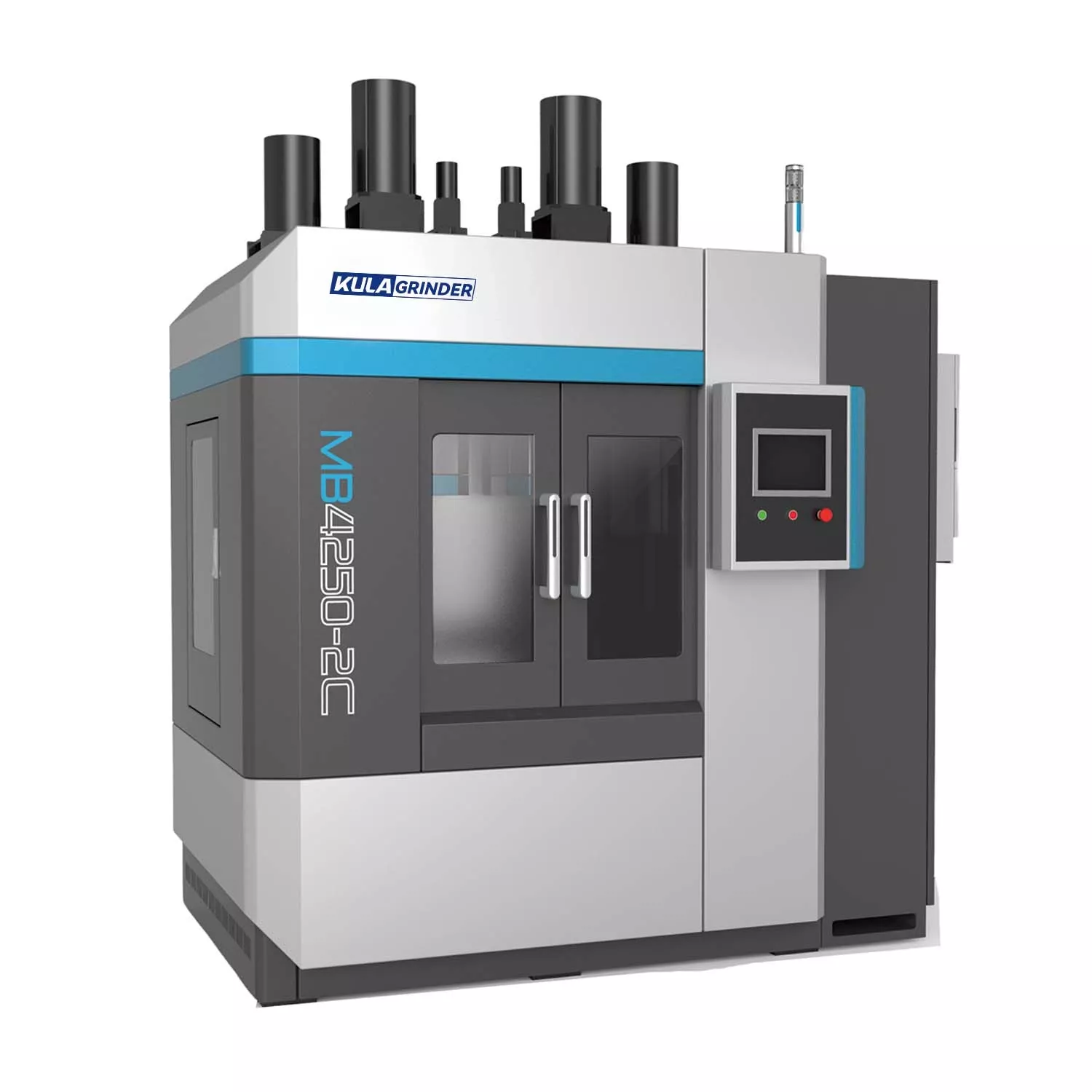
CNC honing is a bore-finishing process that removes a very small amount of material from an internal surface. It uses abrasive stones mounted on a honing tool, and the tool moves in a controlled rotary and reciprocating pattern. This action creates a precise surface and improves bore geometry beyond the level reached by standard cutting operations. In modern manufacturing, CNC control keeps the process stable and repeatable across multiple parts.
How CNC Honing Improves Internal Bore Quality
A machined bore may look acceptable after boring or reaming, yet still contain taper, out-of-round conditions, or a poor surface pattern. CNC honing corrects these issues by refining the internal surface in a controlled way. It can improve size consistency, straighten the bore axis, and produce a crosshatch finish suited to lubrication retention. These improvements are especially important in parts that seal, slide, or cycle under pressure.
The Difference Between CNC Honing and Traditional Honing
Traditional honing relies more heavily on manual adjustment and operator feel. CNC honing uses programmed control over stroke length, feed, pressure, and cycle timing. This approach reduces variation and gives better process repeatability, especially in production environments. It also makes it easier to maintain consistency across batches, materials, and complex bore specifications.
Why CNC Control Matters for Precision and Repeatability
Precision bore finishing depends on control, not only on abrasive contact. CNC systems make it easier to repeat a proven process window and respond to part-specific requirements. This is valuable when tolerances are tight and when every micron affects fit or function. It also reduces process drift, which can lower scrap and rework over time.
What Is CNC Honing Used For?
Correcting Bore Size to Meet Final Tolerance Requirements
One of the main uses of CNC honing is final bore sizing. A part may be close to specification after boring or reaming, but still fall outside final tolerance limits. Honing removes small amounts of material so the bore reaches the required size more accurately. This is common in components where fit and performance depend on a precise internal diameter.
Improving Roundness, Straightness, and Cylindricity
Dimensional size alone is not enough in high-performance components. A bore can meet diameter limits and still perform poorly if it is tapered, lobed, or out of line. CNC honing is used to improve these geometric characteristics and bring the bore into a more functional condition. This is especially important in sliding, sealing, and pressure-bearing assemblies.
Creating Functional Surface Finishes for Sealing and Lubrication
Surface finish is another major reason to use CNC honing. In many bores, the required finish is linked directly to oil retention, seal behavior, and wear characteristics. A controlled honing pattern can reduce friction problems and improve the operating life of the finished component. This makes honing a process chosen for function, not only for appearance.
Supporting Precision Performance in Critical Components
CNC honing is widely used in parts that operate under pressure, heat, load, or repetitive motion. Examples include hydraulic cylinders, valve bodies, gear bores, and precision sleeves. In these applications, small defects inside the bore can affect efficiency or service life. Honing provides the level of refinement needed for these demanding conditions.
Delivering Repeatable Quality in Production Environments
The process is also used because it supports consistency across repeated jobs. When a manufacturer needs the same bore quality across dozens or thousands of parts, variation becomes a major concern. CNC honing provides a more controlled route to repeatable output than manual finishing. This makes it well suited to both production runs and precision repeat orders.
Which Parts and Industries Commonly Use CNC Honing?
Hydraulic and Pneumatic Components
Hydraulic and pneumatic systems often depend on accurate bores for sealing, fluid control, and smooth internal movement. Even small shape errors can affect leakage, friction, or cycle efficiency. CNC honing is commonly used on cylinder bores, valve components, and related fluid-power parts. In these applications, bore finish and geometry directly affect performance.
Automotive and Heavy Equipment Parts
Automotive and heavy equipment components often operate under load, vibration, and continuous motion. Engine parts, transmission components, gear bores, and actuator housings may all require precision finishing. CNC honing is used where bore quality influences wear behavior and assembly fit. It is also valuable in production work where repeatability is essential.
Aerospace and Defense Applications
Aerospace and defense parts usually demand tight process control and strong dimensional discipline. Components in these sectors often carry higher requirements for geometry, traceability, and quality verification. CNC honing fits well in this environment because it supports fine bore correction and stable finishing performance. It is often chosen for parts where failure is not acceptable and process consistency is critical.
Industrial Machinery and Custom Precision Components
Many industrial systems include custom parts that do not fit standard machining assumptions. These components may involve unusual bore lengths, special materials, or demanding finish targets. CNC honing is useful in such work because it can be adjusted to specific application needs. This makes it a common option in custom engineering and precision subcontract machining.
CNC Honing vs. Other Bore Finishing Processes
CNC Honing vs. Grinding
Grinding can produce excellent accuracy, but it is not always the preferred process for internal bore correction. CNC honing is often selected when the target includes a specific functional texture and fine geometry control inside the bore. Grinding tends to focus more on stock removal and dimensional refinement. Honing is often chosen when the final surface pattern also affects performance.
CNC Honing vs. Reaming
Reaming is commonly used to improve a drilled hole, yet it usually does not deliver the same level of bore correction as honing. A reamer follows the existing hole path to a large extent, so it may not fully correct geometry problems. Honing works differently because it refines the bore surface through controlled abrasive contact. For final bore accuracy, honing is often the better finishing step.
CNC Honing vs. Lapping
Lapping is another fine-finishing process, but it is generally used for different accuracy or surface objectives. CNC honing is better suited to correcting internal bore shape while creating a practical crosshatch surface. Lapping may be selected for ultra-fine finishes in other applications, yet it is not always the most efficient route for production bore finishing. The choice depends on the part function and the end-use requirement.
When CNC Honing Is the Better Choice
CNC honing is often the better choice when a bore needs final sizing, shape correction, and a controlled surface finish in the same process stage. It becomes especially relevant in sealing surfaces, sliding bores, and pressure-dependent components. If a part only needs simple enlargement, another method may be sufficient. If function depends on bore quality, honing usually deserves serious consideration.
Process Comparison Table
The table below gives a simple comparison of common bore-finishing options.
Process | Main Purpose | Geometry Correction | Surface Finish Control | Typical Use Stage |
Reaming | Improve hole size after drilling | Moderate | Moderate | Intermediate |
Grinding | Dimensional refinement | High | Moderate to high | Final or near-final |
Honing | Final bore accuracy and functional finish | High | High | Final |
Lapping | Ultra-fine finish in select applications | Moderate | Very high | Final, specialized |
Conclusion
CNC honing is a precision bore-finishing process used when manufacturers need more than basic hole making. It refines size, geometry, and surface finish in parts where sealing, motion, wear, and consistency all matter. For companies sourcing tight-tolerance bore work, the process stands out because it combines fine correction and functional surface control in one final machining step. When buyers need dependable results, custom process support, and consistent quality across prototype or production work, KULA offers clear practical advantages through specialist honing expertise, precision-focused inspection, and machining services built around demanding bore applications.
FAQs
What Is the Main Purpose of CNC Honing?
The main purpose of CNC honing is to improve bore size, geometry, and surface finish. It is typically used when drilling, boring, or reaming cannot achieve the final specification. The process is chosen for functional accuracy rather than appearance alone.
How Is CNC Honing Different From Grinding?
Grinding and honing can both improve dimensional accuracy, but they are not the same process. Honing is especially useful for correcting bore geometry and producing a controlled internal surface pattern. Grinding may suit other dimensional finishing goals, yet it does not always provide the same bore-specific functional texture. The right choice depends on the job requirement.
What Types of Parts Usually Require CNC Honing?
Parts that rely on internal sealing, guided motion, pressure control, or wear resistance often require CNC honing. Common examples include hydraulic cylinders, valve bodies, gear bores, and precision sleeves. Automotive, aerospace, and industrial components frequently fall into this category. The more critical the bore function, the more relevant honing becomes.
When Should CNC Honing Be Used Instead of Reaming?
CNC honing should be considered when reaming cannot achieve the required final result. This often happens when the part needs better roundness, straightness, cylindricity, or surface finish. Reaming can improve a hole, but it is usually not the best final process for demanding bore specs. Honing is more suitable for fine correction.


