Introduction
Have you ever wondered how industries achieve such high precision in manufacturing? CNC vertical grinders play a crucial role in producing parts with tight tolerances. These machines offer exceptional accuracy and surface finish, making them indispensable in sectors like aerospace, automotive, and medical.
In this post, we’ll discuss what CNC vertical grinders are, how they work, and why they’re vital across different industries. You’ll also learn about the key benefits of these machines and the versatility they offer in modern manufacturing.
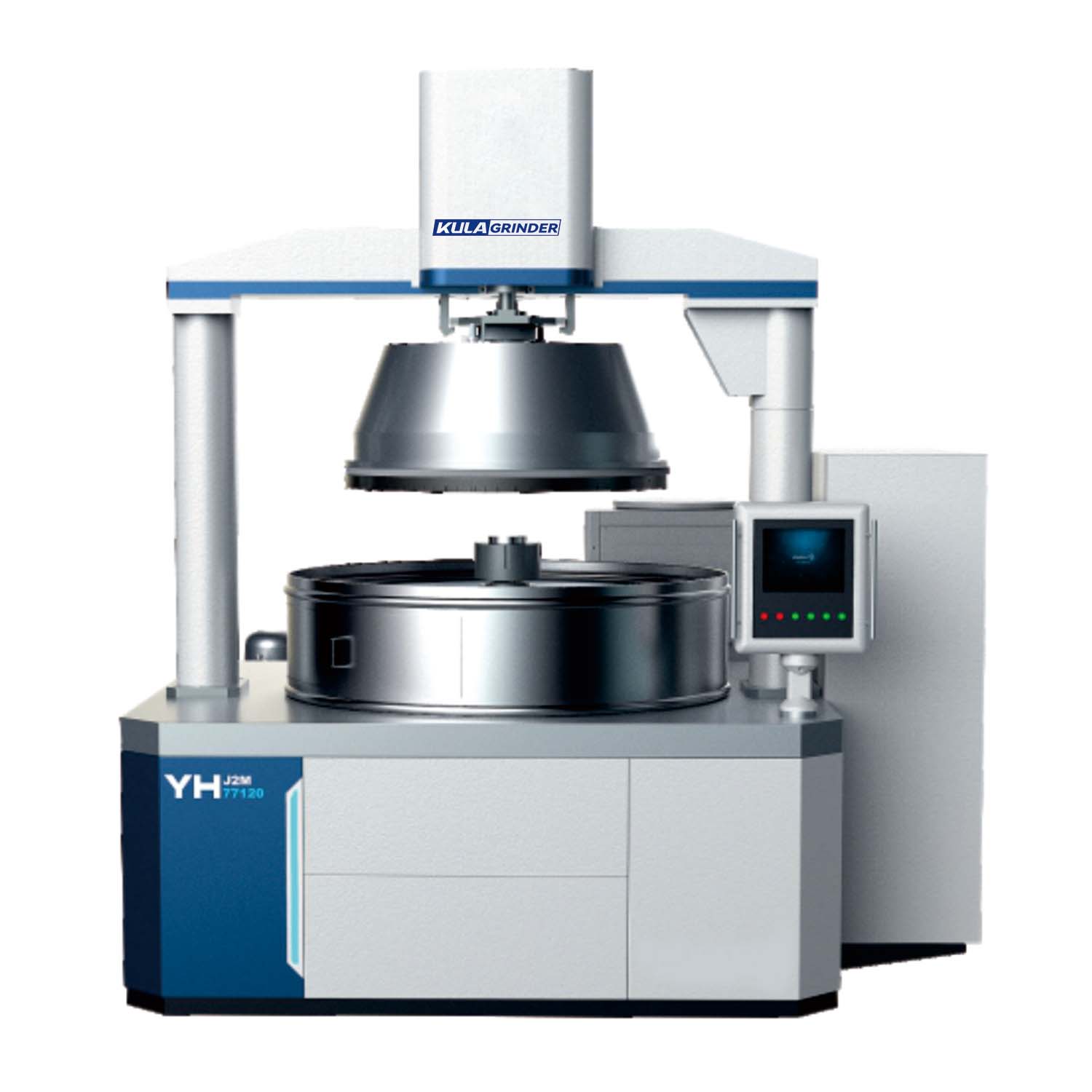
Key Industries That Benefit from CNC Vertical Grinders
Aerospace Industry
CNC vertical grinders play a crucial role in the aerospace sector by producing highly precise components. They are used to manufacture turbine rings, bearing housings, and engine parts, ensuring that all components meet strict safety and performance standards.
Examples of Components Produced
Aircraft engine parts
Spacecraft components
Landing gear parts
Automotive Industry
In the automotive industry, CNC vertical grinders are essential for producing high-precision parts used in various vehicle systems. They are often employed to grind brake discs, clutch components, and engine parts, offering consistency in high-volume production environments.
Specific Automotive Parts Made
Medical Industry
The medical field relies on CNC vertical grinders for manufacturing intricate, high-precision components. These machines ensure that surgical tools, implants, and medical devices meet the stringent requirements for patient safety and functionality.
Examples of Medical Components
Energy Industry
In the energy sector, CNC vertical grinders are vital for producing parts that need to endure high-pressure and demanding environments. They are used to make wind turbine hubs, generator housings, and valve components, which are critical for the efficiency and reliability of energy systems.
Critical Components for Energy Production
Heavy Machinery and Tool & Die Industries
CNC vertical grinders are essential for producing molds, dies, and bearing rings in heavy machinery manufacturing. Their ability to handle large-scale components ensures durability and precision. In the tool and die industry, they are used to manufacture cutting tools and molds, helping meet the high precision standards required.
Applications in Heavy Machinery
Molds, dies, and bearing rings for large machinery
Importance of durability and strength
Tool and Die Applications
Benefits of CNC Vertical Grinders
High Precision and Accuracy
CNC vertical grinders are known for their ability to achieve micron-level precision, making them essential for industries where tight tolerances are crucial. These grinders are designed to meet stringent specifications, producing components that fit perfectly in highly demanding applications.
The Importance of Tight Tolerances
Achieving micron-level precision is necessary for critical components in aerospace, automotive, and medical industries.
CNC vertical grinders excel at meeting tight tolerances that manual grinding simply cannot match.
Maintaining Consistent Quality
Automated controls reduce human error and ensure that each part produced meets the exact same specifications.
This consistency is vital for industries that require reliable, high-quality products in every batch.
Versatility Across Different Materials
CNC vertical grinders are versatile tools that can handle a wide range of materials, making them ideal for various industries. Whether it's metals, composites, or ceramics, these machines provide flexibility for different production needs.
Materials That CNC Vertical Grinders Can Handle
CNC vertical grinders can process metals like steel, aluminum, and titanium.
They can also handle composites, ceramics, and other advanced materials used in industries like aerospace and medical.
Handling Complex Part Geometries
These grinders are perfect for grinding intricate shapes, including complex internal features and complex geometries.
Their capability to handle these challenging shapes makes them a go-to choice for specialized applications.
Increased Efficiency with Automation
One of the main benefits of CNC vertical grinders is their automation, which streamlines the production process and boosts efficiency. By automating the grinding process, manufacturers can reduce manual labor and speed up production.
How Automation Enhances Production
Reduced manual intervention means less time spent on setup and adjustments.
CNC programming allows the machine to follow exact parameters, increasing throughput and minimizing the risk of errors.
High-Volume Production Capabilities
CNC vertical grinders are designed to handle high-volume production runs efficiently.
They can meet the fluctuating demands of industries, ensuring consistent output without compromising quality.
CNC Vertical Grinders in Precision Manufacturing
Achieving High Surface Finish Quality
In precision manufacturing, surface finish quality is critical for ensuring the functionality and longevity of parts. Industries like aerospace, medical, and automotive require parts with smooth, flawless surfaces to meet safety and performance standards.
Surface Finish Requirements Across Industries
In aerospace, parts must withstand extreme conditions, requiring a smooth surface to reduce wear and ensure reliability.
Medical devices must have smooth finishes to prevent contamination and ensure safety for patients.
Automotive components need high surface quality for performance, such as in brake discs and engine parts where friction reduction is vital.
The Role of CNC Vertical Grinders in Surface Finishing
CNC vertical grinders use advanced grinding techniques to achieve superior surface finishes.
These machines utilize precise control to remove material in ultra-thin layers, leaving smooth, uniform surfaces.
The grinding process can be fine-tuned to meet exacting surface finish specifications, reducing the need for additional finishing processes.
Reducing Waste and Improving Material Utilization
CNC vertical grinders are designed to optimize material usage, minimizing waste while maintaining high precision. This capability is especially important in industries where materials are expensive or hard to source, such as aerospace and medical manufacturing.
How CNC Vertical Grinders Minimize Material Waste
These machines remove material efficiently, ensuring only the necessary amount is ground away.
The ability to finely control the grinding process leads to less scrap material and more usable parts.
Cost-Effectiveness for High-Precision Parts
While precision may seem expensive, CNC vertical grinders help balance high-quality production with cost-efficiency.
By maximizing material utilization and minimizing errors, these grinders reduce overall production costs, making them an economical choice for high-precision parts.
Choosing the Right CNC Vertical Grinder
Key Factors to Consider
When selecting a CNC vertical grinder, it's important to consider several key factors to ensure the machine meets your specific production needs.
Spindle Speed and Power
Spindle speed determines how fast the cutting tool spins. Faster speeds allow for quicker material removal, which can increase production efficiency.
The power of the spindle affects the grinder's ability to handle tougher materials, ensuring consistent performance under high pressure.
Machine Size and Capacity
The size of the CNC vertical grinder must match the workpiece size. Larger components require grinders with bigger capacity to accommodate them.
Ensure the machine can handle the weight and size of your parts while still maintaining precision.
Control System and Rigidity
Advanced CNC control systems enhance accuracy by automating the grinding process. They allow for complex programming, reducing the risk of human error.
Rigidity is crucial for maintaining precise movements and achieving high-quality finishes, especially when working with difficult materials.
Maintenance and Longevity of CNC Vertical Grinders
To get the most out of your CNC vertical grinder, proper maintenance is essential for both performance and longevity.
Maintaining CNC Vertical Grinders for Optimal Performance
Regular maintenance, like cleaning and lubricating moving parts, ensures smooth operation and prevents wear and tear.
Check and replace worn-out parts, such as grinding wheels, to maintain consistent performance.
Upgrading CNC Vertical Grinders for Evolving Needs
Over time, you may need to upgrade your CNC vertical grinder to keep up with production demands.
Retrofitting older machines with new control systems or spindle upgrades can improve capabilities and extend their lifespan.
Future Trends and Innovations in CNC Vertical Grinding
Automation and Robotics Integration
The future ofCNC vertical grinding is heavily influenced by automation and robotics, revolutionizing production processes across industries.
The Role of Robotics in CNC Vertical Grinding
Robotics are increasingly integrated into CNC vertical grinding systems, reducing manual labor and speeding up production cycles.
These robots can handle part loading, unloading, and setup, reducing the risk of human error and improving efficiency.
Automated systems can operate continuously, allowing for 24/7 production without the need for breaks.
Advanced Materials and Additive Manufacturing Integration
As manufacturing technologies evolve, CNC vertical grinders are adapting to handle new materials and integrate with additive manufacturing techniques.
Combining Additive and Subtractive Manufacturing
The combination of 3D printing (additive manufacturing) and CNC grinding (subtractive manufacturing) allows for the creation of complex geometries with enhanced precision.
3D printing can quickly create initial part shapes, which are then refined with CNC vertical grinders for improved surface finishes and tighter tolerances.
Handling New, Harder Materials
CNC vertical grinders are evolving to process advanced materials, such as composites and superalloys, which are commonly used in aerospace and medical industries.
These grinders are being equipped with advanced cutting tools and enhanced rigidity to handle these challenging materials while maintaining precision.
Conclusion
CNC vertical grinders play a vital role across industries, ensuring high precision and efficiency in manufacturing. They are essential for producing critical components in aerospace, automotive, medical, and energy sectors.
Investing in CNC grinding technologies is crucial for improving manufacturing processes and meeting evolving market demands. As precision manufacturing continues to advance, CNC vertical grinders will remain at the forefront of innovation.
FAQ
Q: What are CNC vertical grinders used for?
A: CNC vertical grinders are used to produce high-precision components with tight tolerances, typically in industries like aerospace, automotive, medical, and energy.
Q: How does CNC vertical grinding differ from other grinding methods?
A: CNC vertical grinding uses a vertical spindle orientation for high-precision grinding of large and heavy workpieces, offering better control for complex parts.
Q: What are the advantages of CNC vertical grinders over traditional grinders?
A: CNC vertical grinders offer automation, high precision, reduced waste, and versatility across industries, making them more efficient and cost-effective than traditional grinders.
Q: Can CNC vertical grinders handle all types of materials?
A: Yes, CNC vertical grinders can handle a wide range of materials including metals, composites, and ceramics, making them suitable for various industrial applications.


