Imagine crafting components with precision down to microns. That's the power of CNC cylindrical grinders. These machines revolutionize manufacturing, enabling high-speed grinding for flawless finishes. In today's fast-paced industry, this technology is crucial for efficiency and accuracy. In this post, you'll learn about CNC cylindrical grinding, its significance in modern manufacturing, and an overview of the machines that make it possible.
The Evolution of CNC Cylindrical Grinding
Historical Background
CNC cylindrical grinding evolved from traditional grinding methods that relied heavily on manual operation. Before computers entered manufacturing, skilled operators controlled grinding machines by hand, which limited precision and repeatability. After World War II, industries like aerospace and automotive demanded tighter tolerances and higher quality finishes. This need sparked the development of numerical control (NC) machines. Early NC machines used punched tape and basic programming to automate movements, but they were bulky and limited in capability.
Pioneers like John T. Parsons and Frank L. Stulen laid the groundwork for CNC technology in the 1940s and 1950s. Their work on helicopter blade manufacturing introduced automated control of machine tools, influencing the development of CNC grinding machines. Over time, microprocessors replaced analog controls, vastly improving accuracy and flexibility.
Technological Advancements in CNC Grinding
Advancements in computing power and software transformed CNC grinding from a basic automated process into a sophisticated precision machining technology. Modern CNC cylindrical grinders feature:
Advanced CNC Controllers: These systems interpret complex CAD/CAM programs to control grinding wheel movement, feed rates, and workpiece rotation with micron-level precision.
High-Speed Spindles: Grinding wheels now spin at very high speeds, enabling faster material removal and finer surface finishes.
Multi-Axis Control: Machines can move the grinding wheel and workpiece along multiple axes, allowing for complex shapes and profiles.
Automated Tool Changes: Some CNC grinders can switch grinding wheels automatically, reducing downtime and increasing productivity.
Integrated Coolant Systems: These prevent overheating and extend tool life during high-speed grinding.
Real-Time Monitoring: Sensors track vibration, temperature, and wheel wear, enabling adaptive control to maintain consistent quality.
These innovations enhanced grinding efficiency, reduced human error, and expanded the range of materials and geometries that could be machined.
Impact of CNC Technology on Precision Machining
The integration of CNC technology revolutionized precision machining, especially in cylindrical grinding. Key impacts include:
Unmatched Accuracy: CNC grinding machines achieve tolerances as tight as ±0.001 mm, essential for critical components like aerospace shafts and medical implants.
Consistency: Automated control ensures every part matches specifications, critical for mass production.
Complex Geometries: Multi-axis CNC grinders can produce intricate profiles that were impossible or impractical with manual grinding.
Material Versatility: CNC grinding handles hard materials such as hardened steels, carbides, and exotic alloys, which are difficult for traditional machining.
Increased Productivity: Automation reduces cycle times and operator intervention, lowering costs and improving throughput.
Enhanced Surface Quality: CNC control allows precise adjustment of grinding parameters, resulting in superior surface finishes that often eliminate the need for secondary operations.
In essence, CNC cylindrical grinding has become indispensable in modern manufacturing, enabling the production of high-precision, high-quality components across industries.
How CNC Cylindrical Grinding Works
Key Components of CNC Grinding Machines
CNC cylindrical grinding machines rely on several crucial parts working together to achieve precision:
Grinding Wheel: The abrasive tool that removes material from the workpiece surface. It spins at high speeds and comes in various materials like aluminum oxide or cubic boron nitride (CBN), depending on the job.
Workpiece Fixture: Holds the cylindrical part firmly, often between centers or in a chuck. This stability prevents vibrations and ensures accuracy.
CNC Control System: The brain of the machine. It follows programmed instructions to control the grinding wheel’s movements, feed rates, and the workpiece rotation precisely.
Spindle Motors and Axis Drives: Move the grinding wheel and workpiece along multiple axes—usually longitudinal and radial—to shape the part accurately.
Coolant System: Sprays liquid coolant during grinding to reduce heat, prevent damage, and flush away debris.
These components work in harmony to grind cylindrical parts down to tight tolerances and smooth finishes.
Step-by-Step Process of CNC Cylindrical Grinding
ProgrammingOperators create a digital blueprint of the part using CAD software. This design converts into G-code instructions, telling the machine how deep to cut, speed, and path.
Setup and FixturingThe workpiece is secured in the fixture, ensuring no movement during grinding. The grinding wheel is also mounted and dressed for optimal cutting.
Grinding OperationThe workpiece rotates steadily while the grinding wheel spins at high speed. The wheel moves along the length of the workpiece, removing tiny layers of material. This can happen via different methods:
Cooling and LubricationCoolant sprays continuously to cool the work area, reduce friction, and extend tool life.
Inspection and AdjustmentAfter grinding, the part is measured for dimensional accuracy. If needed, the machine can perform minor corrections automatically.
The Role of Software in CNC Grinding
Software drives the entire process. It translates complex CAD models into precise machine movements. Benefits include:
Automation: Minimal human intervention after programming. The machine follows exact instructions every time.
Precision Control: Software manages speeds, feeds, and wheel paths to maintain micron-level tolerances.
Multi-Axis Coordination: Controls simultaneous movements of grinding wheel and workpiece to create complex shapes.
Adaptive Grinding: Some systems use sensors to monitor vibrations or temperature and adjust parameters in real time for consistent quality.
Program Storage and Reuse: Programs can be saved and reused for mass production, ensuring consistency.
In short, software transforms grinding machines into smart tools that deliver repeatable, high-quality results efficiently.
Types of CNC Cylindrical Grinding Processes
CNC cylindrical grinding comes in several types, each suited for specific tasks and workpiece geometries. Understanding these types helps select the right process for your manufacturing needs.
External Cylindrical Grinding
This is the most common type. It grinds the outside surface of a cylindrical part. The workpiece rotates while the grinding wheel moves along its length, removing material to achieve precise diameters and smooth finishes.
Ideal for shafts, pins, and rods.
Common in automotive, aerospace, and general manufacturing.
Can handle simple to complex profiles, including tapers and shoulders.
Typical grinding wheels include aluminum oxide or cubic boron nitride (CBN).
This process focuses on grinding the inner diameter of hollow parts. A smaller grinding wheel spins inside the workpiece, shaping or finishing internal surfaces.
Used for bearings, bushings, and hydraulic cylinders.
Requires specialized machines or attachments.
Demands accurate fixturing to prevent vibration.
Common in medical device and automotive industries.
Unlike external or internal grinding, centerless grinding holds the workpiece between a grinding wheel and a regulating wheel without centers or chucks.
The workpiece is supported on a work rest blade.
Both wheels rotate, with the regulating wheel controlling the feed and speed.
Ideal for high-volume production of rods, tubes, and pins.
Provides fast, consistent grinding without the need to mount each piece.
Specialized Grinding Techniques
Beyond the main types, CNC cylindrical grinding includes specialized methods tailored for unique applications:
Plunge Grinding: The wheel feeds directly into the workpiece, ideal for complex shapes or limited axial movement.
Traverse Grinding: The wheel moves back and forth longitudinally while the workpiece rotates, suitable for uniform cylindrical surfaces.
Jig Grinding: Ultra-precise grinding for holes, contours, and complex shapes.
Creep Feed Grinding: Deep, slow cuts to remove large amounts of material in one pass, often used for tough materials.
Materials Suitable for CNC Cylindrical Grinding
CNC cylindrical grinding works on a wide range of materials. Each type requires specific grinding wheels, speeds, and techniques to achieve the best results. Let’s explore the common materials processed and how CNC grinding handles them.
Metals Processed by CNC Grinding
Metals are the most frequently ground materials due to their use in critical parts across industries.
Steel: This includes carbon steel, alloy steel, and tool steel. Steel’s hardness varies, so grinding parameters adjust accordingly. Hardened steels require abrasive wheels like cubic boron nitride (CBN) for effective cutting.
Stainless Steel: Known for corrosion resistance, it’s tougher to grind because it work-hardens. Using sharp grinding wheels and proper coolant helps avoid overheating and surface damage.
Aluminum: Softer and easier to grind, aluminum demands wheels that prevent clogging. Aluminum oxide wheels with fine grit sizes work well for smooth finishes.
Titanium: Strong and heat-resistant, titanium is challenging due to low thermal conductivity. CNC grinding uses slower feed rates and specialized wheels to prevent heat buildup and tool wear.
Copper and Brass: These soft metals grind easily but tend to clog wheels. Using high wheel speeds and proper coolant reduces material adhesion.
Nickel Alloys and Tungsten Carbide: Often found in aerospace and tooling, these hard materials require superabrasive wheels and precise control to maintain tool life and surface quality.
Grinding of Ceramics and Composites
Ceramics and composite materials are increasingly common in high-performance applications. They are hard and brittle, needing delicate handling.
Ceramics: Materials like alumina, silicon carbide, and zirconia have very high hardness. CNC grinding uses diamond wheels and gentle infeed rates to avoid cracking. Coolants help dissipate heat and reduce thermal stress.
Composites: Carbon fiber and fiberglass composites combine strength and light weight but can wear down wheels quickly. Grinding requires careful parameter tuning to prevent delamination or fiber pullout.
Applications of CNC Cylindrical Grinding in Various Industries
CNC cylindrical grinding plays a vital role across many industries. Its ability to deliver precise dimensions, smooth finishes, and consistent quality makes it indispensable for critical components.
Aerospace Industry
In aerospace, every part must meet strict standards for safety and performance. CNC cylindrical grinding machines produce components like:
Turbine shafts and engine parts requiring tight tolerances for high-speed rotation.
Landing gear components that demand extreme durability and accuracy.
Hydraulic system parts that control flight mechanisms.
The high precision and surface quality CNC grinding provides ensure reliability under extreme conditions.
Automotive Manufacturing
Automotive parts often face wear and stress, so precision and finish are crucial. CNC cylindrical grinding is used for:
Crankshafts and camshafts that need exact diameters and smooth surfaces for efficient engine operation.
Transmission shafts and gears requiring tight fits and durability.
Brake system components where surface finish impacts safety.
This technology speeds up production while maintaining consistency across thousands of parts.
Medical Device Production
Medical devices demand flawless precision to function safely. CNC cylindrical grinding supports:
Orthopedic implants like hip and knee replacements needing perfect shapes and surface finishes.
Surgical instruments requiring sharp, accurate edges.
Dental implants and prosthetics that must fit precisely.
The ability to grind hard biocompatible materials like titanium helps meet stringent medical standards.
Tool and Die Making
Tool and die makers rely on CNC cylindrical grinding for:
Cutting tools such as drills, reamers, and end mills that need sharp, precise profiles.
Dies and molds that form other parts with exact shapes.
Precision shafts and pins used in assembly fixtures.
The process ensures tools last longer and produce consistently accurate parts.
Advantages and Disadvantages of High Speed CNC Cylindrical Grinding
Precision and Consistency
High speed CNC cylindrical grinding delivers unmatched precision. The CNC system controls the grinding wheel and workpiece movements down to microns. This ensures every part meets tight tolerances consistently. Automated programming removes human error, so parts are identical from the first to the last. Such precision is vital in aerospace, automotive, and medical fields where even tiny deviations can cause failures.
Moreover, CNC machines maintain consistent surface finishes. The high spindle speeds combined with precise feed rates produce smooth, mirror-like surfaces. This often eliminates the need for secondary finishing operations, saving time and costs.
Efficiency and Automation
High speed CNC grinding greatly boosts efficiency. Faster spindle speeds mean quicker material removal without sacrificing accuracy. The automation reduces operator intervention, allowing machines to run unattended for long periods. This leads to higher throughput and lower labor costs.
Multi-axis controls enable complex shapes to be ground in a single setup, reducing cycle times. Tool changes and dressing can be automated, minimizing downtime. Integrated coolant and monitoring systems help maintain optimal grinding conditions, extending tool life and improving quality.
Additionally, CNC grinding programs can be stored and reused, streamlining production runs and ensuring repeatability. This efficiency is especially valuable in mass production environments.
Challenges in CNC Grinding
Despite its advantages, high speed CNC cylindrical grinding faces some challenges:
Thermal Effects: High speeds generate heat, risking thermal damage or distortion. Proper coolant application and thermal compensation in software are critical.
Tool Wear: Grinding wheels wear down faster at high speeds, requiring frequent dressing or replacement. This adds to maintenance costs.
Complex Programming: Programming multi-axis grinding operations demands skilled operators and advanced software. Errors in programming can cause costly scrap.
Initial Investment: High precision CNC grinders with high speed spindles and automation features require significant upfront capital.
Material Limitations: Some materials may be sensitive to heat or vibration, limiting grinding parameters or requiring special abrasives.
Despite these challenges, careful process control and ongoing monitoring mitigate risks and maximize benefits.
Conclusion
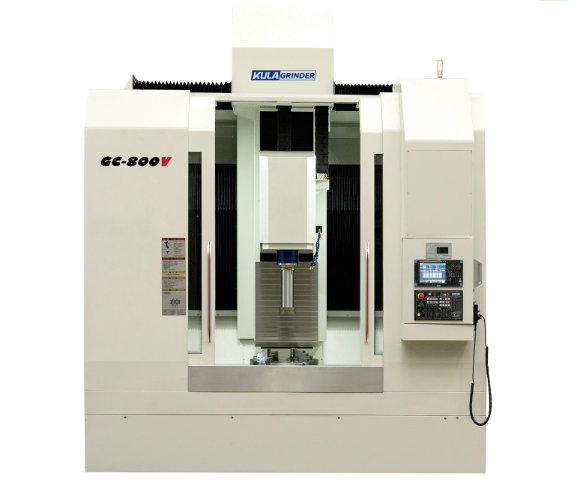
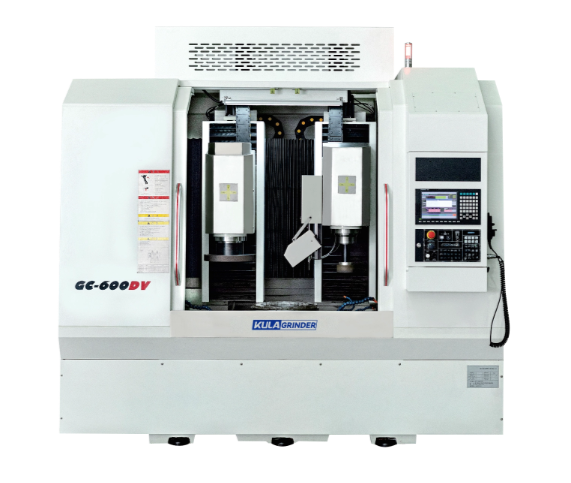
Emerging trends in CNC grinding include enhanced automation and real-time monitoring, improving precision and efficiency. Potential innovations focus on adaptive controls and advanced materials, promising further advancements. As CNC cylindrical grinding continues to evolve, its role in high-precision industries becomes increasingly vital. Companies like KULA Precision Machinery Co., Ltd. are at the forefront, offering cutting-edge solutions. Discover the CNC Vertical Cylindrical Grinder GC Series from KULA, designed to deliver unmatched precision and efficiency, providing exceptional value to manufacturers worldwide.
FAQ
Q: What is a CNC Cylindrical Grinder?
A: A CNC Cylindrical Grinder is a precision machine tool used to grind cylindrical surfaces with high accuracy, utilizing computer numerical control for enhanced precision and repeatability.
Q: How does CNC Cylindrical Grinding work?
A: CNC Cylindrical Grinding involves programming the machine to control the grinding wheel's movement and workpiece rotation, achieving precise material removal and smooth finishes.
Q: Why is CNC Cylindrical Grinding important in manufacturing?
A: CNC Cylindrical Grinding ensures unmatched accuracy, consistency, and efficiency, essential for producing high-quality components in industries like aerospace and automotive.
Q: What are the benefits of high-speed CNC Cylindrical Grinding?
A: High-speed CNC Cylindrical Grinding offers precision, efficiency, and automation, resulting in faster production, reduced costs, and superior surface quality.


