CNC honing is used when bore size, geometry, and surface finish require tighter control than earlier machining steps can provide. In modern manufacturing, CNC Honing processes rely heavily on the correct CNC Honing Machine to achieve consistent results. In production, stable results do not depend on the machine alone. They come from the interaction between CNC Honing Machinestructure, tooling, abrasives, process settings, bore condition, and fluid control. Different bore applications require different CNC Honing process strategies, especially in batch production, deep-bore work, or parts with strict consistency requirements.
Key Takeaways
● Machine selection sets the foundation for CNC Honing Machine performance.
● Tooling design affects bore geometry and repeatability .
● Abrasive choice influences stock removal and surface finish in CNC Honing.
● Process settings shape crosshatch quality, size control, and cycle time .
● Bore material and incoming condition affect correction capability in CNC Honing processes.
● Coolant flow and debris removal influence finish quality and process stability in CNC Honing Machine systems.
Factor 1 — Choosing the Right CNC Honing Machine
Why machine type affects accuracy, cycle time, and repeatability
Machine type is the first major factor in CNC honing. It affects rigidity, stroke motion, feed response, and process stability over repeated cycles. If the machine structure does not match bore depth, part size, or production demand, the process becomes harder to control. In many cases, poor machine fit causes variation before final inspection reveals the problem.
When a vertical honing machine is suitable
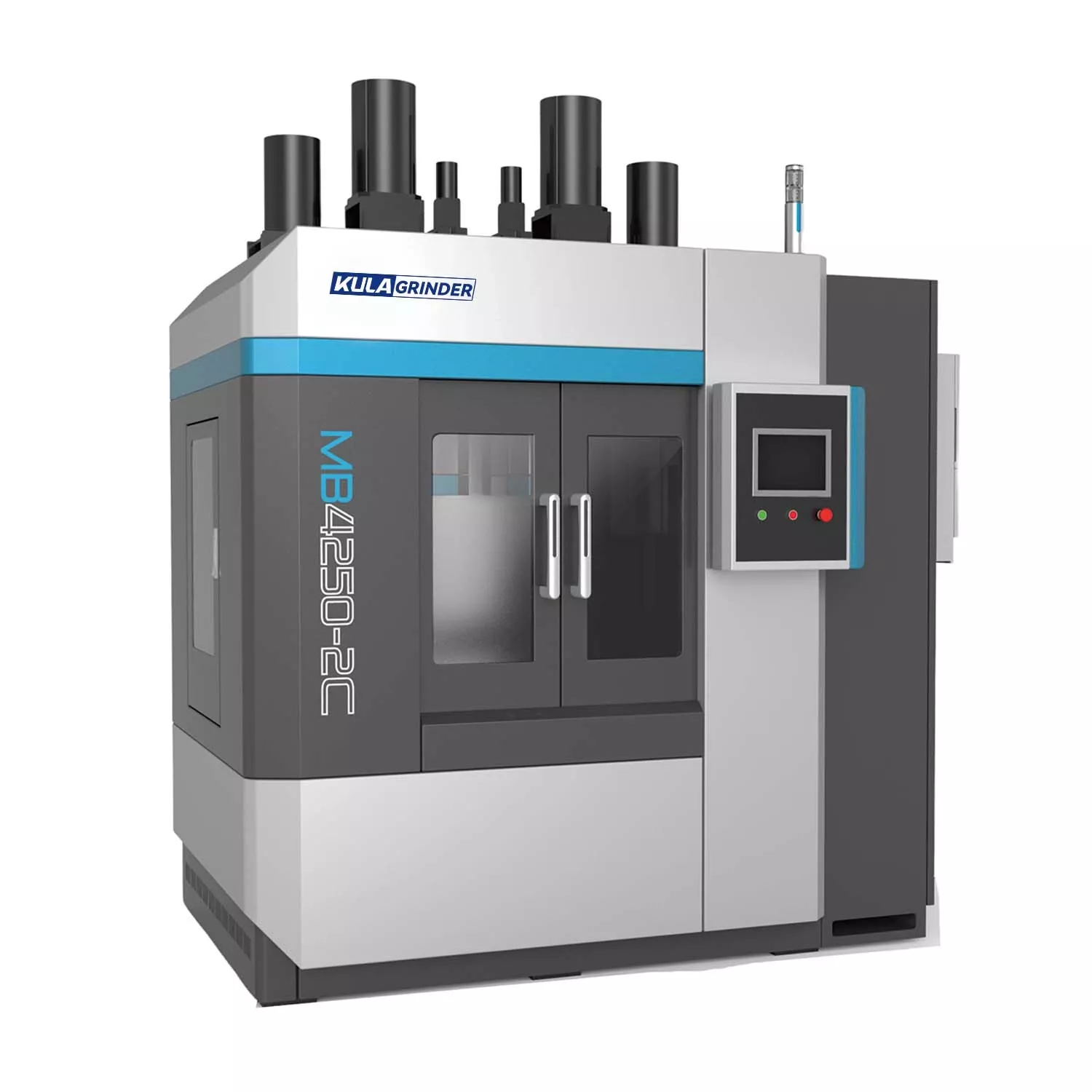
Vertical honing is often used for parts that require stable positioning and consistent bore finishing. It is common in the machining of cylinders, bearings, and similar components produced in batches. This layout is often suitable for small to medium workpieces where repeatability is a priority. For many shops, vertical honing supports better consistency across production runs.
Where horizontal honing machines fit common production tasks
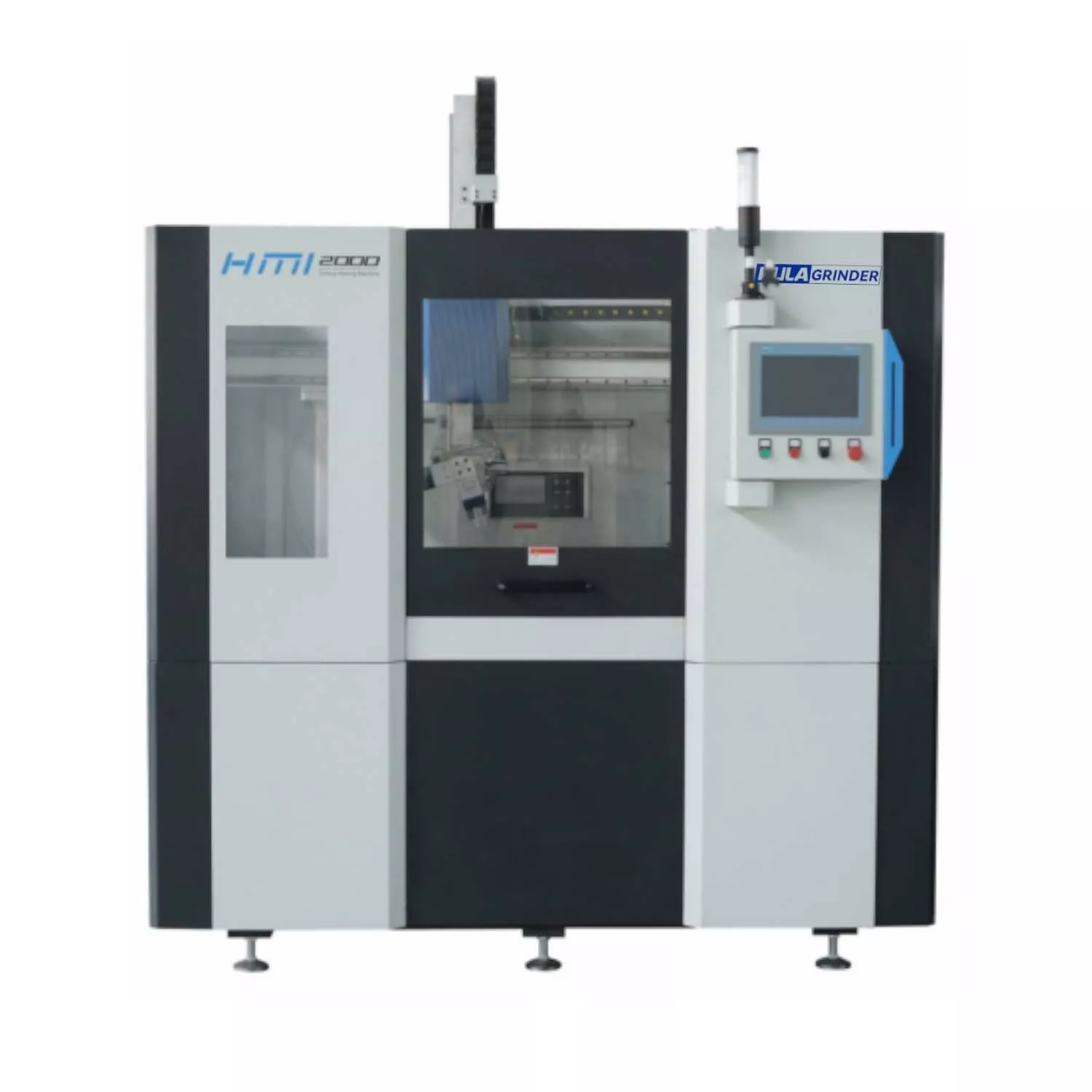
Horizontal honing machines are often used for smaller parts and general internal bore finishing. They can be suitable when flexible loading and easier access are important. This format is commonly applied to fine internal diameter correction on compact components. It is usually selected for jobs that do not require a vertical or deep-hole structure.
Why deep hole honing needs a different machine structure
Deep hole honing creates different demands because long bores are harder to control. Oil delivery, chip evacuation, and stroke stability become more critical as bore depth increases. A machine designed for short bores may not hold the same consistency in long and narrow workpieces. For deep-bore applications, machine structure becomes a key part of the finishing result.
How machine mismatch can limit process results
When the machine does not match the application, repeatability often drops and cycle time may increase. Operators may keep adjusting feed or speed, even though the real issue comes from the machine platform itself. This can lead to more setup time and unstable quality across batches. Good machine matching often reduces correction work later in the process.
Machine direction | Typical application | Main process focus |
Vertical honing | Small to medium parts, batch production | Bore consistency and repeatability |
Horizontal honing | Small components, general internal finishing | Flexible handling and bore correction |
Deep hole honing | Long and narrow bores | Oil delivery, stability, and deep-bore control |
Factor 2 — Tooling and Honing Head Configuration
How honing head design affects bore geometry
The honing head determines how pressure reaches the bore wall. Its design directly affects roundness, straightness, taper control, and surface pattern. If the head does not match the bore, contact may become uneven and stock removal may vary along the surface. Many geometry issues begin at the tooling stage, not at the parameter stage.
The role of expansion control in size accuracy
Expansion control affects how the stone enters and maintains contact inside the bore. If expansion is too slow, cutting becomes inefficient and cycle time increases. If it is too aggressive, oversizing or unstable contact may appear. Accurate bore size depends not only on the program, but also on how the tool reacts during wear.
Why contact pressure needs to stay even
Even contact pressure is necessary for balanced cutting. Uneven pressure can cause taper, inconsistent finish, or localized stock removal. This becomes more sensitive in deep bores or thin-wall parts. In CNC honing, controlled pressure is usually more important than high pressure.
How tooling rigidity affects process consistency
Rigid tooling reduces unwanted movement during the cycle. If the setup lacks stability, the bore result may drift even when the machine settings stay the same. This problem often becomes more visible in longer cycles or higher-volume production. Better rigidity usually leads to better repeatability.
Why tooling and process planning should be considered together
Tooling should be selected together with machine type, stock allowance, bore size, and finish target. If these factors are considered separately, trial time often becomes longer and troubleshooting becomes less effective. A coordinated setup usually reaches stable production faster. It also reduces the risk of fixing one issue while creating another.
Factor 3 — Abrasive Selection and Stone Condition
Choosing abrasive type based on workpiece material
Abrasive selection should follow the material, removal target, and finish requirement. A setup used on cast iron may perform very differently on aluminum alloy or another engineering material. Even when bore size is similar, material response can change cutting pressure and stone wear. Abrasive choice should therefore be based on the actual part, not a standard habit.
How grit size affects stock removal and surface finish
Grit size changes the balance between cutting speed and surface refinement. Coarser stones usually remove material faster, while finer stones are used near the final size and finish stage. If grit is too coarse, surface quality may remain unstable. If it is too fine too early, the process may become unnecessarily slow.
The effect of bond type on cutting behavior
Bond type affects how worn grains break away and how new cutting edges are exposed. An unsuitable bond can cause glazing, weak cutting action, or unstable wear. This influences both cycle efficiency and bore consistency. Bond choice may receive less attention than grit size, but it can strongly affect the final result.
How glazing, loading, and wear affect honing results
Stone loading and glazing reduce cutting efficiency and make the process harder to control. Operators may respond by changing feed or dwell, even though the real issue is stone condition. Uneven wear can also change size control and finish quality. Regular stone inspection is one of the simplest ways to maintain stable performance.
Factor 4 — CNC Parameters and Process Settings
How spindle speed and stroke speed affect the honing pattern
Spindle speed and stroke speed work together to create the honing pattern inside the bore. If either variable moves outside the correct range, the crosshatch may change and stock removal may become less stable. This can affect finish quality and overall bore consistency. Parameter control should therefore focus on pattern quality as well as machine motion.
Why feed rate and dwell time matter for finish and size control
Feed rate controls how fast the tool moves toward the target size. Dwell time affects how long the stones continue refining a specific area. Too much feed can reduce control, while too much dwell can waste cycle time or create local variation. Stable performance usually comes from balance rather than aggressive settings.
How parameter balance affects cycle time and stability
A short cycle does not always mean better productivity. If speed, feed, and dwell are poorly balanced, the process may need more inspection, rework, or manual correction. A balanced parameter window usually gives better long-run stability than a setup pushed mainly for speed. In many cases, consistency has more production value than a small cycle-time reduction.
Why confirmed process settings matter in production
Stable CNC honing usually depends on tested settings rather than repeated guesswork. A defined process window makes it easier to hold quality across shifts and batches. It also improves troubleshooting when drift appears later. Process records often become a practical tool for reducing variation in repeat work.
Factor 5 — Workpiece Material and Bore Condition
Why different materials respond differently to the same setup
Material affects cutting resistance, heat behavior, stone loading, and achievable finish. Because of this, the same setup can produce different results on different part families. Shops often see this when moving between cast materials, light alloys, and more demanding engineering materials. Material should be treated as a process variable, not just part data.
How bore condition before honing affects correction ability
Honing can refine geometry and finish, but it cannot correct every upstream problem. If the incoming bore has poor alignment, large size error, interrupted surfaces, or unsuitable stock allowance, the honing cycle may become inefficient. In such cases, tool and parameter changes may provide only limited improvement. Better results often begin with better pre-honing bore quality.
The impact of hole depth, geometry, and application demands
Hole depth and bore geometry directly affect process difficulty. Blind holes, stepped bores, long bores, and thin-wall parts all place different demands on contact stability and stroke control. A setup used for a short open bore may not hold the same result in a more complex part. Application details should therefore be reviewed early.
When machine and process customization becomes necessary
Standard setups can cover many jobs, but some parts require a more tailored process route. This is often true in deep-bore applications, difficult materials, or tight tolerance work. In these cases, machine structure, tooling design, and process planning may all need adjustment. Customization becomes part of process control rather than a special option.
Factor 6 — Coolant, Debris Removal, and Machine Stability
Why coolant affects finish quality and process control
Coolant does more than reduce heat. It also lubricates the cutting zone and carries debris away from the bore surface. If flow is unstable or insufficient, cutting behavior can change and finish quality may become less consistent. Fluid control is therefore part of bore accuracy, not just machine maintenance.
How debris removal influences efficiency and consistency
Debris trapped in the cutting zone can disturb stone contact and damage the finished surface. Poor evacuation may also increase wear and reduce process stability during longer runs. Better debris removal often improves consistency across batches. This factor becomes more important as production volume increases.
Why oil delivery matters in deep hole honing
Deep hole honing places greater demands on oil delivery because the cutting zone is farther from the machine opening. If oil does not reach the bore effectively, heat and debris can build up inside the workpiece. This can reduce finish quality and make the process harder to stabilize. In long bores, fluid delivery becomes one of the main process controls.
How machine stability supports repeatable results
Machine stability affects how well the process holds the same result over time. Vibration, structural weakness, or inconsistent motion can change bore geometry even when tooling and coolant are properly selected. This is especially important in batch production and deep-bore work. Stable machine behavior makes the rest of the process easier to control.
How KULA Supports Better CNC Honing Results
Why application-based machine selection matters
A suitable honing solution usually begins with the workpiece rather than a standard machine model. Bore size, depth, material, and tolerance all influence the correct machine platform and process route. When selection follows application needs, later optimization becomes more predictable. This also reduces the risk of repeated changes during installation and ramp-up.
Why customization can improve production fit
Some production lines need more than a standard machine structure. They may require a specific stroke range, fixture design, automation link, or process layout for a certain part family. Customization can reduce manual intervention and improve consistency during regular production. In such cases, process fit becomes more important than standardization.
Why service support matters after installation
Machine value also depends on commissioning, setup quality, and operator understanding. Training, technical follow-up, and troubleshooting support can shorten the time needed to reach stable production. This is especially important in CNC honing because the final result depends on several linked variables. Good support can reduce unnecessary process changes after installation.
FAQ
What is the most important factor in CNC honing results?
There is rarely one single factor. Machine fit, tooling, abrasives, settings, bore condition, and coolant control all interact during the cycle. If one of them moves out of range, the final bore may drift. Strong results usually come from controlling the full process.
How do I choose between vertical, horizontal, and deep hole honing machines?
The choice usually begins with part geometry, bore depth, material, and production target. Vertical honing is often used for stable batch work, horizontal honing for smaller internal finishing tasks, and deep-hole machines for long bores where oil delivery becomes critical. The correct choice depends on process fit rather than machine category alone.
Can CNC honing improve both bore geometry and surface finish?
Yes. CNC honing is widely used to refine both bore geometry and surface finish inside a controlled process window. The final result still depends on the match between machine, tooling, abrasives, settings, and incoming bore condition. It works best as a precision finishing step in a controlled manufacturing route.
Conclusion
CNC honing results come from a connected process rather than one machine setting in isolation. Machine type, honing head design, abrasive condition, process control, bore condition, and coolant behavior all shape the final bore. KULA addresses these needs through vertical, horizontal, and deep hole honing machines, along with customization, commissioning, training, and follow-up service. For manufacturers aiming to improve bore consistency and production fit, the main value lies in choosing a machine and process plan that match the real application from the start.


