Introduction
Did you know that neglecting maintenance on your CNC Vertical Grinder can lead to costly repairs and downtime? Regular maintenance is essential for ensuring the longevity and precision of your equipment.
CNC Vertical Grinders play a critical role in modern manufacturing, helping industries produce high-precision components. In this post, we’ll discuss why maintenance is crucial and how you can keep your CNC Vertical Grinder running at peak performance.
Understanding CNC Vertical Grinders
How Do CNC Vertical Grinders Work?
CNC Vertical Grinders are designed to shape and finish materials with high precision. These machines use computer numerical control (CNC) technology to automate the grinding process, which makes them faster and more accurate than traditional grinders.
Key components include:
Spindles: The rotating part that holds and turns the grinding wheel.
Motors: Drive the spindles and other moving parts.
Grinding Wheel: This abrasive tool shapes the material, removing unwanted material with precise control.
The grinding process typically involves the workpiece being held in place while the grinding wheel rotates at high speeds, removing material layer by layer. The machine can perform multiple operations such as rough grinding, finishing, and polishing.
Difference Between CNC Vertical Grinders and Other CNC Machines
CNC Vertical Grinders are different from other CNC machines like CNC Milling Machines and CNC Laser Grinders in how they handle material.
CNC Milling Machines: These machines use rotating cutters to remove material. They are ideal for creating complex shapes or drilling holes in parts.
CNC Laser Grinders: Laser grinders use a laser beam to cut through materials. They are more efficient for cutting through thin materials but less suitable for heavy-duty grinding.
Ideal Use Cases:
CNC Vertical Grinding Machine: Perfect for high-precision, surface-level grinding where minimal material removal is needed.
CNC Milling: Best for working with thick materials and creating detailed shapes.
CNC Laser Grinders: Excellent for fine cutting of delicate materials in industries like aerospace or electronics.
Each machine excels in different tasks depending on the material and desired finish.
Why Regular Maintenance is Important for CNC Vertical Grinders
Enhancing Precision and Accuracy
Regular maintenance is key to maintaining tight tolerances and smooth finishes. When parts like the spindle or grinding wheel wear down, precision can suffer.
How it Works: Keeping components in top shape ensures consistent grinding performance, resulting in higher accuracy.
Preventing Vibration & Misalignment: A machine that’s not properly maintained can develop vibrations or misalignment, which leads to uneven cuts and lower product quality.
Increasing Machine Longevity
Proper maintenance goes a long way in extending the life of CNC Vertical Grinders. Just like any other machinery, wear and tear takes its toll.
Preventing Wear & Tear: Regular checks and part replacements, such as bearings or belts, reduce the risk of damage.
Maximizing Performance: By keeping the machine in optimal condition, you prevent early failures and ensure the grinder lasts longer.
Reducing Downtime
Unplanned breakdowns can be costly and disruptive. A proactive maintenance approach minimizes these risks.
How it Helps: Addressing small issues before they become big problems reduces unexpected downtime.
Importance of Inspections: Regular inspections allow technicians to catch potential issues early, reducing costly repairs and downtime.
Common Maintenance Tasks for CNC Vertical Grinders
Daily Maintenance Checklist
Daily maintenance ensures that your CNC Vertical Grinder operates smoothly and efficiently. Here’s a simple checklist to follow:
Cleaning the Machine: Remove any debris or dust from the machine after each use. A clean machine prevents build-up that could affect performance.
Checking Fluid Levels: Regularly check coolant and oil levels. If they're low, top them up to maintain optimal machine function.
Inspecting the Grinding Wheel: Examine the grinding wheel for signs of wear or damage. Replace it if necessary to ensure precise grinding.
Weekly and Monthly Maintenance
Taking care of your CNC Vertical Grinder on a weekly or monthly basis helps prevent major issues down the line.
Lubricating Key Components: Spindles, motors, and other moving parts need lubrication to reduce friction and ensure smooth operation. Apply lubricant regularly.
Checking Alignment and Calibration: Regularly inspect the alignment of your grinder. Misalignment can lead to inaccurate cuts and poor finish quality.
Ensuring Safety Mechanisms Are Working: Check safety guards, emergency stop buttons, and other safety features to make sure they are functioning properly.
Annual Maintenance Procedures
Annual maintenance is essential for maintaining the longevity and reliability of your CNC Vertical Grinder.
Comprehensive Inspection: Have a professional technician check the machine’s electrical and mechanical components. This can catch issues that aren’t visible during regular checks.
Replacing Worn-out Parts: Bearings, belts, and hydraulic seals may wear out over time. Replacing them annually helps prevent unexpected failures.
Performance Review: A thorough performance check by a technician ensures everything is working at its best.
Troubleshooting Common CNC Vertical Grinder Issues
Why Does My CNC Vertical Grinder Overheat?
Overheating is a common issue that can damage your CNC Vertical Grinder if not addressed promptly.
What to Do if the CNC Vertical Grinder Is Not Grinding Accurately
If the machine isn't producing accurate results, misalignment or mechanical issues might be to blame.
Identifying the Problem:
Alignment Issues: Over time, parts like the spindle or grinding wheel may become misaligned, affecting accuracy.
Mechanical Problems: Worn-out components such as bearings or motors can also impact the grinding process.
How to Fix It:
Check the alignment of the spindle and grinding wheel.
Adjust the settings or recalibrate the machine if necessary.
Inspect the mechanical parts and replace worn-out components.
Dealing with Excessive Vibration or Noise
Vibrations or excessive noise can affect the quality of your grinding and potentially cause further damage.
Possible Causes:
How to Resolve It:
By addressing these common issues quickly, you can keep your CNC Vertical Grinder running smoothly and improve its performance.
How to Choose the Right Maintenance Parts for CNC Vertical Grinders
Choosing the Correct Grinding Wheel
Selecting the right grinding wheel for your CNC Vertical Grinder is crucial for achieving accurate and high-quality results.
Choosing Oils and Lubricants
Proper lubrication is key to maintaining CNC Vertical Grinders and ensuring smooth operation.
CNC Vertical Grinder Maintenance and Safety
Importance of Operator Training
Proper operator training is essential for both safe operation and effective maintenance of CNC Vertical Grinders. When operators understand the machine’s functions, they can spot potential issues early and prevent accidents.
Maintaining Safety Mechanisms
Safety mechanisms are essential to prevent accidents and protect both the operator and the machine. Regular checks of these systems ensure everything is functioning as it should.
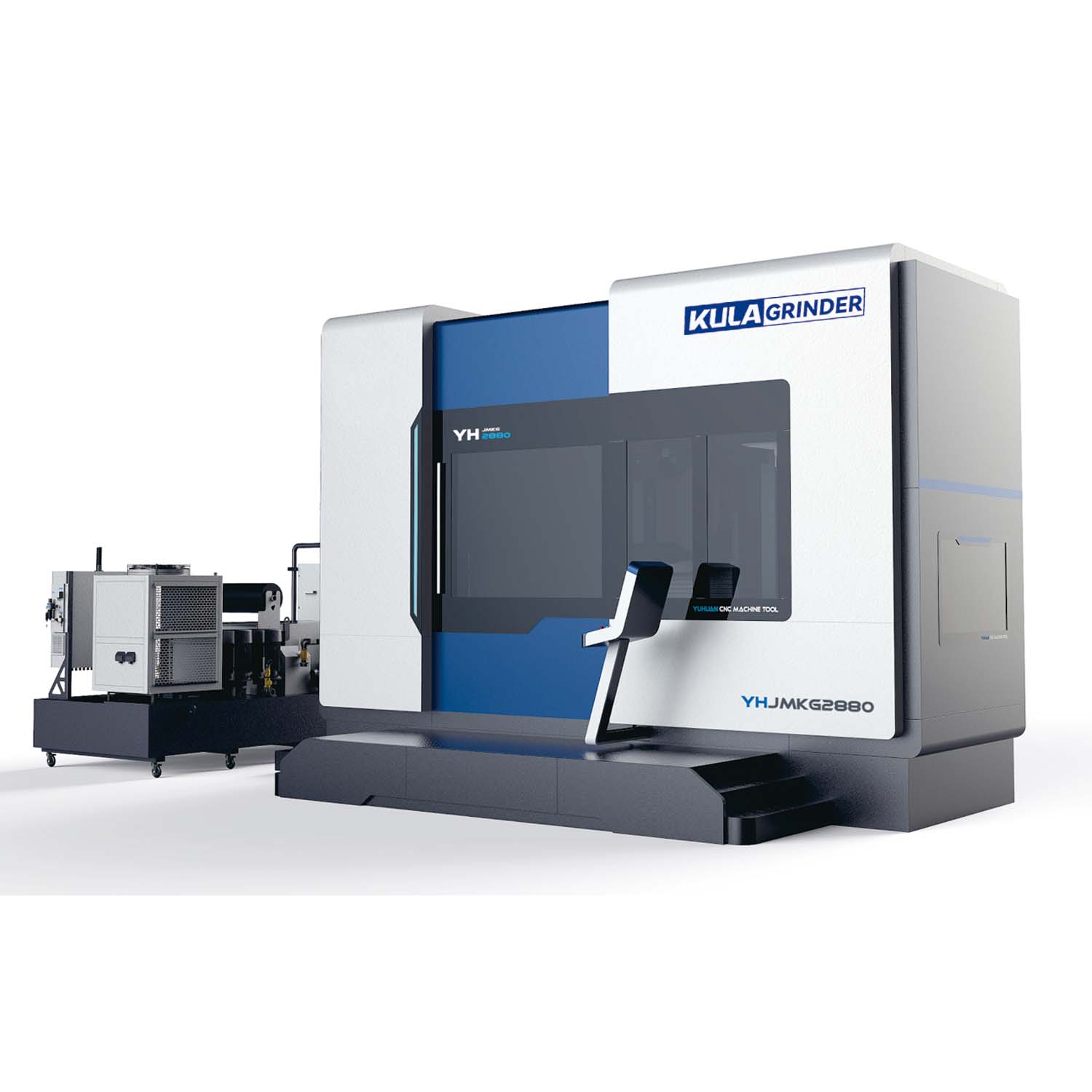
The Role of CNC Vertical Grinder Calibration
Why Calibration is Essential for CNC Vertical Grinders
Calibration ensures that your CNC Vertical Grinder delivers consistent and precise results. Without proper calibration, your machine may produce parts with inaccurate dimensions, leading to waste and rework.
Impact on Precision: Calibration adjusts the machine’s settings, ensuring the grinding wheel and components are aligned correctly. This is critical for achieving tight tolerances and smooth finishes.
Relationship Between Calibration and Accuracy: A well-calibrated machine maintains accuracy over time. Regular calibration helps prevent errors due to component wear and ensures the machine continues to perform optimally.
How to Calibrate Your CNC Vertical Grinder
Proper calibration of your CNC Vertical Grinder can prevent accuracy issues and extend the machine’s lifespan. Here’s how to do it:
Cost Considerations for CNC Vertical Grinder Maintenance
How Much Does CNC Vertical Grinder Maintenance Cost?
The cost of maintaining a CNC Vertical Grinder can vary based on the type of maintenance needed, but it’s important to factor in both the direct and long-term costs.
Is It Worth Hiring a Professional Technician for Maintenance?
While DIY maintenance can save money, there are times when hiring a professional is the better option.
Advanced Tips for Extending the Life of Your CNC Vertical Grinder
Leveraging Technology for Maintenance
Modern technology can significantly enhance the way we maintain CNC Vertical Grinders, helping predict failures before they occur.
Upgrading Parts and Features
Upgrading certain components or features of your CNC Vertical Grinder can improve performance and extend its lifespan.
When to Upgrade:
Upgrade your grinding wheel or motor when performance begins to degrade or when higher precision is required for specialized tasks.
Consider replacing worn-out spindles or upgrading the control system if you’re experiencing issues with accuracy or efficiency.
Role of Modernization:
Modernizing parts and adding new technology can improve the machine's efficiency, cutting down on energy use and increasing throughput.
Enhanced features such as automated calibration and improved sensors can reduce manual intervention, making the grinder more reliable.
Future Trends in CNC Vertical Grinder Maintenance
Technological Advancements in CNC Grinder Maintenance
The future of CNC Vertical Grinder maintenance is being shaped by cutting-edge technologies that make machines smarter and more efficient.
Sustainability and Green Maintenance Practices
As industries move toward sustainability, CNC Vertical Grinder maintenance is also adapting to reduce environmental impact.
Conclusion
FAQ
Q: How often should I clean my CNC Vertical Grinder?
A: It’s recommended to clean your CNC Vertical Grinder daily, especially to remove any debris or residues from the grinding process.
Q: How can I prevent my CNC Vertical Grinder from overheating?
A: Ensure the cooling system is working properly, and regularly check and replace coolant fluids to maintain optimal temperatures.
Q: What are the signs that my CNC Vertical Grinder needs calibration?
A: If your machine is producing inaccurate cuts or showing signs of wear on the parts, it’s time to recalibrate the machine.
Q: Is professional maintenance necessary for my CNC Vertical Grinder?
A: While daily maintenance can be done by operators, it’s recommended to schedule professional servicing at least once a year to ensure everything is working efficiently.


