What makes an automotive part truly reliable is often hidden inside the bore. Even a small flaw in internal geometry or surface finish can affect sealing, lubrication, wear, and overall performance. That is why CNC Honing plays such an important role in automotive manufacturing.
Honing is widely used to improve the accuracy and surface quality of critical parts such as engine cylinders, gear bores, and hydraulic components. Today, CNC Honing Machine solutions are increasingly preferred for their precision and repeatability. In this article, we will discuss the main uses of honing in the automotive industry, the benefits it brings, and what manufacturers should look for in an effective CNC Honing solution.
Key Takeaways
● Honing is widely used in automotive manufacturing for engine cylinders, liners, gear bores, hydraulic parts, and fuel-system components.
● It improves bore accuracy, surface finish, oil retention, and part consistency.
● Automotive manufacturers rely on CNC Honing when tight tolerances and repeatable results are required.
● CNC Honing Machine systems reduce manual variation and improve process stability.
What Honing Does in Automotive Manufacturing
How honing refines bore size, geometry, and surface finish
Honing is a finishing process used to improve the inside of a bore after earlier machining steps. It removes a small amount of material to refine size, roundness, cylindricity, and surface texture. In automotive production, this level of control matters because many parts depend on accurate internal contact.
Why honing is used after drilling, boring, or grinding
Drilling and boring create the basic hole, but they often leave minor shape errors or rough surfaces behind. Honing is used near the end of production to correct those issues without removing much material. This makes it well suited to parts that are already close to their final dimensions.
How the crosshatch pattern improves lubrication and wear control
A honed bore usually has a crosshatch pattern on its surface. This texture improves oil retention and supports more stable lubrication during operation. In automotive parts, it can reduce uneven wear and promote smoother performance over time.
Why honing matters more for performance-critical automotive parts
Honing becomes more important when a part must seal well, retain oil properly, or operate under close tolerances. Engine cylinders, gear bores, and hydraulic components all fall into this category. In these cases, honing supports functional performance, not just surface finishing.
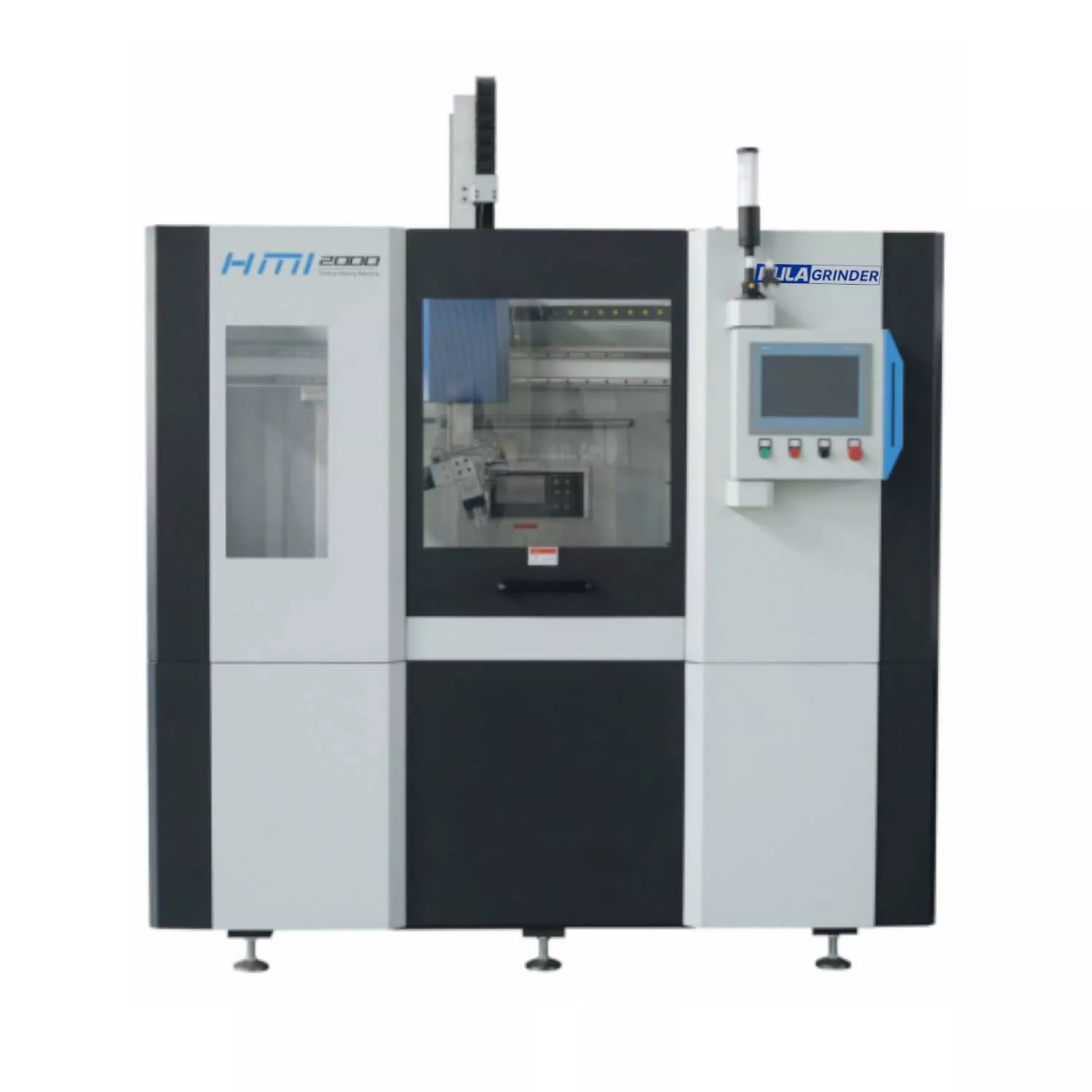
The Main Uses of Honing in Automotive Components
Honing engine cylinders for ring sealing and combustion efficiency
Engine cylinders are one of the most common automotive honing applications. Honing refines the bore so piston rings can seal more effectively and move against a controlled surface. This supports stable combustion, oil control, and lower wear.
Honing cylinder liners to improve oil retention and wear resistance
Cylinder liners also require a carefully finished internal surface. Honing creates a surface texture that supports lubrication while improving bore consistency. This is especially useful in engines that operate under high load or repeated cycles.
Honing connecting rod bores for alignment and assembly accuracy
Connecting rod bores must be accurate to ensure proper fit and alignment. If the bore is inconsistent, assembly quality and operating stability can suffer. Honing is used here to create a more precise final bore condition.
Honing gear bores and transmission parts for precise internal fit
Gear bores and transmission components often require tight internal tolerances. Honing improves bore accuracy so parts fit correctly during assembly and run more smoothly in service. This is especially important in systems where small dimensional errors can affect motion quality.
Honing hydraulic and brake components for smoother bore surfaces
Hydraulic and brake parts rely on clean, consistent internal surfaces for sealing and fluid control. Honing improves these bores by refining geometry and surface finish. As a result, the parts can perform more reliably under pressure.
Honing fuel system parts such as injector or pump-related bores
Fuel-system components often contain small bores where precision is essential. Honing can be used to improve internal fit and surface quality in selected injector and pump-related parts. This supports more stable performance in demanding applications.
Honing turbocharger and other precision automotive internal components
Turbocharger parts and other precision automotive components may also require honing when bore quality is critical. These parts often operate under heat, speed, or close tolerances. In such cases, honing provides a finer bore finish when standard machining is not sufficient.
How Honing Supports Automotive Performance and Reliability
Lower friction and more stable moving-part interaction
A properly honed bore improves how moving parts interact inside the component. Surface texture and geometry both influence friction behavior. In automotive parts, better control here can support smoother operation and more predictable wear.
Better lubrication retention for longer component life
The honed surface pattern is important because it retains lubricant more effectively than a random finish. Better lubrication supports long-term surface protection. This can extend service life in cylinders, liners, and other internal components.
More reliable sealing in engine and hydraulic systems
Sealing performance depends on both bore size and bore condition. Honing improves geometry and finish at the same time, which supports more stable sealing. That is one reason it is widely used in engine and hydraulic applications.
Reduced rework risk through improved dimensional stability
When bore quality varies too much, the result is often rejection or rework. Honing provides a more controlled final correction step. This improves process stability and reduces variation in finished parts.
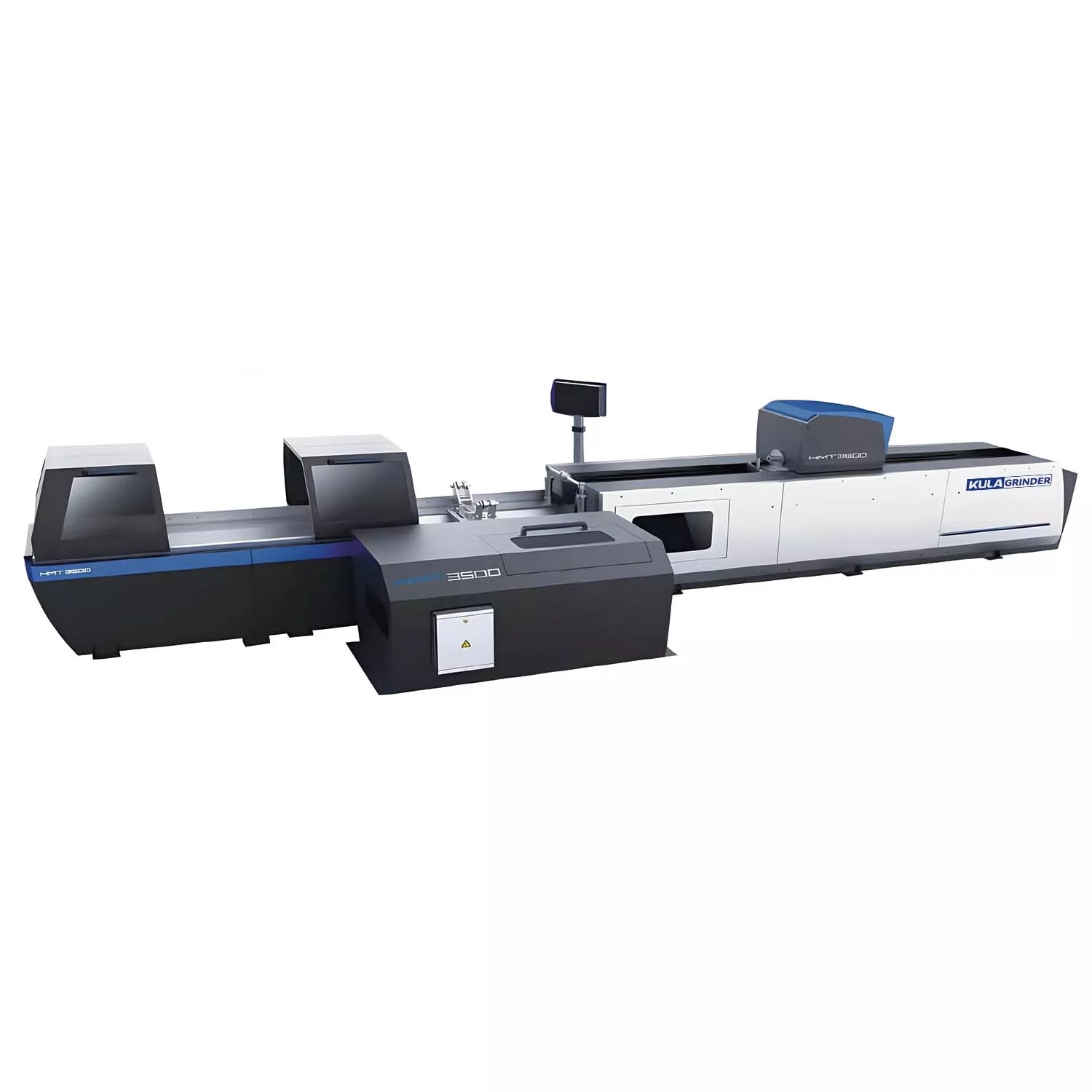
What to Look for in an Automotive Honing Machine
CNC control for repeatability and reduced operator error
A modern automotive honing machine should offer stable CNC control. This reduces dependence on manual adjustment and improves consistency across production runs. In automotive work, repeatability is often as important as peak accuracy.
The right machine format: vertical, horizontal, or deep-hole honing
Machine configuration should match the part. Vertical machines suit many small to medium parts, horizontal machines fit other bore-finishing tasks, and deep-hole machines are used for long internal geometries. Choosing the right format affects both quality and throughput.
Tool wear compensation and process stability
Tool wear affects bore size and surface quality over time. A machine with wear compensation can keep the process closer to target during longer runs. This is especially important in automotive production, where stability across batches matters.
Ease of operation, setup, and parameter adjustment
A machine should also be easy to operate in daily production. User-friendly controls, simple setup, and clear parameter adjustment can reduce downtime and make production easier to manage. On the shop floor, usability has a direct effect on efficiency.
Why Advanced Honing Solutions Matter in Automotive Production
A wider machine range supports different automotive applications
Automotive parts vary widely in bore size, geometry, and production volume. A broader machine range can make it easier to match equipment to the actual process requirement. This improves both finishing quality and production flexibility.
Different honing formats address different bore challenges
Not all bores can be processed efficiently on the same type of machine. Some applications are better suited to vertical systems, while others require horizontal or deep-hole configurations. The right match depends on part structure and finishing goals.
Custom machine solutions can fit specialized production needs
Some automotive programs involve unusual geometries, stricter tolerances, or line-specific output targets. In these cases, standard equipment may not always be the best fit. Custom machine solutions may improve integration and process control in certain applications.
Precision and efficiency need to work together
Automotive production rarely values accuracy alone. The process also needs to remain stable, manageable, and efficient over long runs. That is why machine design, control quality, and compensation features are all important in honing operations.
How Modern Honing Systems Improve Production Outcomes
Improving bore quality through repeatable CNC control
CNC-based honing supports more consistent bore finishing from part to part. This reduces variation during production and improves overall process control. In automotive manufacturing, that stability is highly valuable.
Matching the machine type to part size, geometry, and production needs
A suitable honing system should match the actual bore challenge rather than a general machine category alone. Part length, diameter, tolerance, and output targets all influence the right choice. Better matching usually improves bore quality, stability, and production efficiency.
Supporting both precision finishing and production efficiency
Automotive manufacturers need more than accuracy alone. They also need stable throughput and manageable setup. A well-designed honing system should support both precision finishing and efficient production flow.
Helping manufacturers reduce variability across batches
Batch-to-batch consistency is a common challenge in precision manufacturing. Stable controls, compensation functions, and process visibility can reduce drift over time. This supports more reliable output in high-volume automotive environments.
Conclusion
Honing plays a critical role in automotive manufacturing because it improves bore accuracy, surface finish, lubrication behavior, and sealing performance in parts that cannot tolerate internal defects. Its main uses include engine cylinders, liners, connecting rod bores, gear bores, hydraulic parts, and other precision internal components.
For manufacturers seeking CNC-controlled honing equipment, KULA offers value through its vertical, horizontal, and deep-hole machine range, along with custom solutions, wear compensation, and user-friendly controls. These features make its products well suited to automotive production environments that demand precision, repeatability, and stable output.
FAQ
What automotive parts are most commonly honed?
Common examples include engine cylinders, cylinder liners, connecting rod bores, gear bores, and hydraulic passages. These parts are often honed because internal precision directly affects how they perform.
Why is honing preferred over other bore-finishing methods in some applications?
Honing is preferred when manufacturers need controlled correction, strong surface quality, and minimal stock removal. It improves the bore without significantly changing the part’s overall geometry.
What is the difference between vertical, horizontal, and deep-hole honing machines?
Vertical machines are often used for many small to medium parts, horizontal machines suit a different range of bore-finishing tasks, and deep-hole machines are designed for long internal bores. The right choice depends on the part and the production goal.
How does honing improve engine cylinder performance?
Honing improves cylinder bore quality so piston rings can seal and move more effectively. It also creates a surface pattern that supports oil retention and stable wear behavior.
Can CNC honing help improve consistency in mass automotive production?
Yes. CNC honing reduces operator-related variation and supports more repeatable results across shifts and batches. This makes it a strong fit for high-volume automotive production.
How do I choose the right honing machine for my automotive parts?
Start by looking at bore length, diameter, geometry, tolerance target, and production volume. Then choose a machine format and feature set that align with those requirements.


