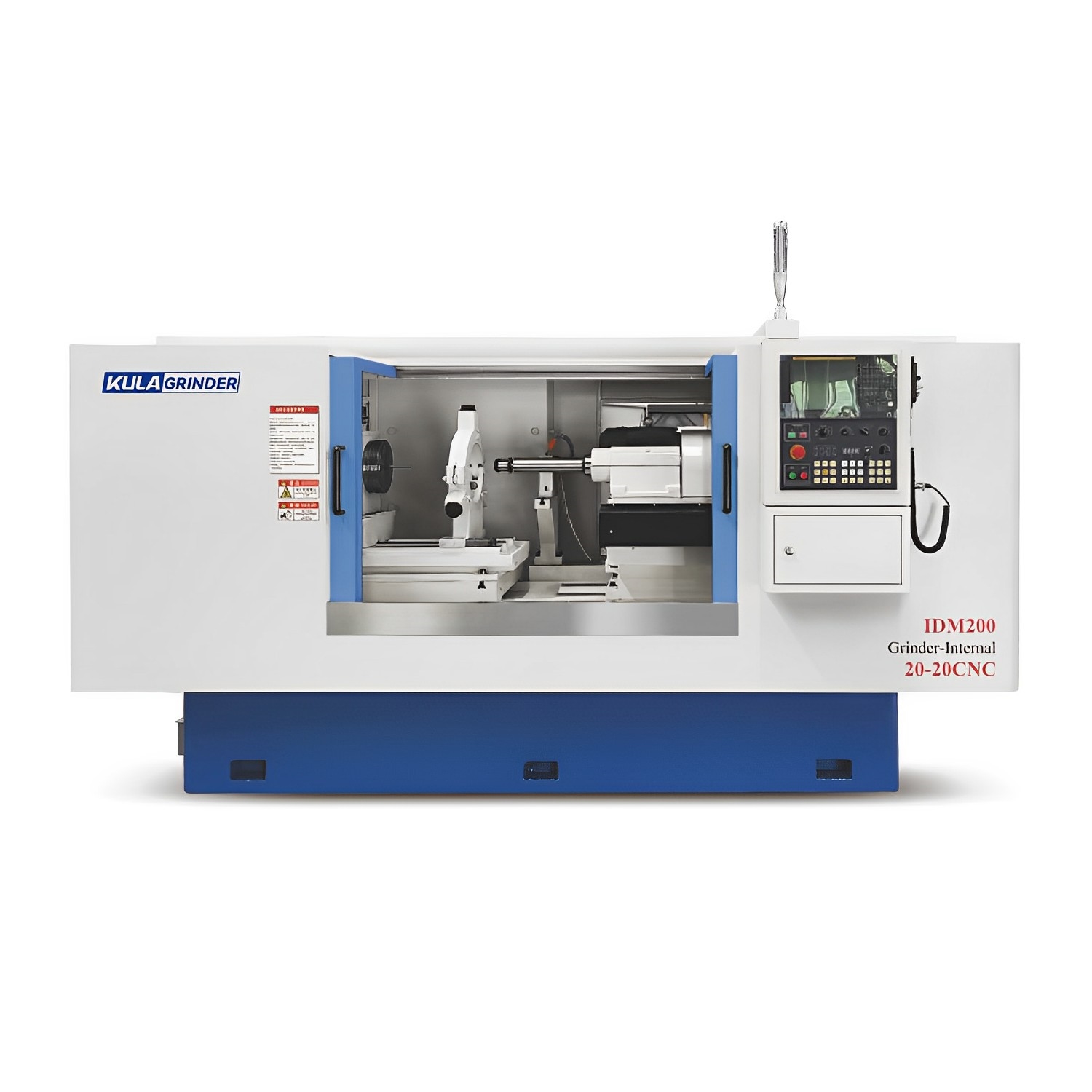
As a key piece of precision machining equipment, high-speed internal grinding machine play an important role in industrial production. Ensuring their stable operation not only affects production efficiency and product quality but also directly impacts enterprise operating costs and market competitiveness. The following discusses how to maintain stable operation from the perspectives of maintenance, upkeep, and fault prevention.

1. Daily Maintenance and Cleaning
Daily maintenance is the foundation for the stable operation of a high-speed CNC internal grinding machine. It is essential to regularly clean critical parts such as the workbench, guideways, and lead screws to remove metal chips and dust, preventing contaminants from affecting equipment accuracy and lifespan. Additionally, keeping the surrounding area tidy helps avoid safety hazards caused by clutter.
Cleaning steps:
· Regularly clean the workbench using a soft cloth and appropriate cleaning agents to ensure it is free of debris.
· Use specialized tools to clean dust and metal chips from guideways and lead screws.
· Maintain a clean environment around the machine to prevent safety risks.
2. Lubrication and Upkeep
The lubrication system is critical for the normal operation of the CNC grinding machine. Follow the equipment manual to regularly lubricate guideways, lead screws, bearings, and other components using suitable lubricants, and adhere to replacement intervals. Keep the lubrication system clean to prevent contaminants from entering and ensure unobstructed oil flow.
Lubrication steps:
· Select appropriate lubricants based on the equipment manual.
· Lubricate key parts regularly according to the prescribed schedule.
· Check oil lines to ensure they are clear and unobstructed.
3. Electrical System Inspection
The stability of the electrical system is vital for machine operation. Regularly inspect wiring, connectors, switches, and other electrical components to ensure safety and reliability. Address any abnormalities promptly to avoid downtime caused by electrical faults.
Electrical inspection steps:
· Check wiring and connectors to confirm all connections are secure.
· Inspect switches and controllers for proper functioning.
· Perform timely repairs or replacements if issues are found.
4. Rust Prevention and Storage
Keeping the machine dry to avoid moisture ingress is key to rust prevention. For already rusted areas, use rust-preventive oil or sandpaper for treatment. When not in use, store the grinder in a dry, ventilated, and shaded environment to prevent prolonged exposure to sunlight.
Rust prevention measures:
· Ensure the machine's surroundings are dry and free of moisture.
· Treat rusted parts promptly.
· Store the machine in a well-ventilated, shaded area.
5. Regular Inspections and Fault Prevention
To maintain stable performance, conduct comprehensive regular inspections covering the machine's appearance, lubrication system, cooling system, and electrical system. Regular checks help detect and address potential faults early, preventing minor issues from escalating.
Inspection steps:
· Examine the machine's exterior for damage or wear.
· Verify the lubrication system is functioning properly.
· Check the cooling system's operation.
· Ensure the electrical system is safe and reliable.
6. Professional Training and Operating Procedures
Operators should receive professional training to understand the structure, performance, and operating procedures of high-speed CNC internal grinder. Proper operating habits improve machining efficiency and reduce equipment failures caused by improper use.
Training content:
· Knowledge of machine structure and performance.
· Familiarity with correct operating steps and precautions.
· Basic fault diagnosis and troubleshooting methods.
In summary, through daily maintenance, lubrication, electrical inspections, rust prevention, regular checks, and professional training, the stable operation of high-speed internal grinding machines can be effectively ensured. These measures improve production efficiency and product quality, reduce maintenance costs, and enhance market competitiveness—crucial factors for any enterprise.


