Are you looking to streamline your manufacturing processes? CNC composite grinders are the solution. These advanced machines combine high precision, versatility, and efficiency for multi-surface grinding. Whether you're in aerospace, automotive, or medical manufacturing, they help meet strict tolerance and surface quality demands. In this article, we will discuss how CNC composite grinders work, their key benefits, and how they enhance production. You'll learn how these machines perform multiple grinding processes in one setup, reducing downtime and improving productivity.
Key Takeaways
Increased Efficiency: CNC composite grinders enable multi-process grinding, reducing downtime and multiple setup requirements.
Improved Precision: These machines offer high-precision grinding for complex workpieces, achieving tight tolerances essential in industries like aerospace and automotive.
Versatility: CNC composite grinders can process a wide range of materials, including composites, metals, and ceramics, making them ideal for diverse manufacturing sectors.
Advanced Features: Integration with automation systems like robotic loading and unloading, and intelligent wheel systems, enhances production efficiency and ensures continuous operations.
KULA’s Cutting-Edge Technology: KULA’s CNC composite grinders offer state-of-the-art precision and multi-surface capabilities, helping businesses streamline their operations for better productivity.
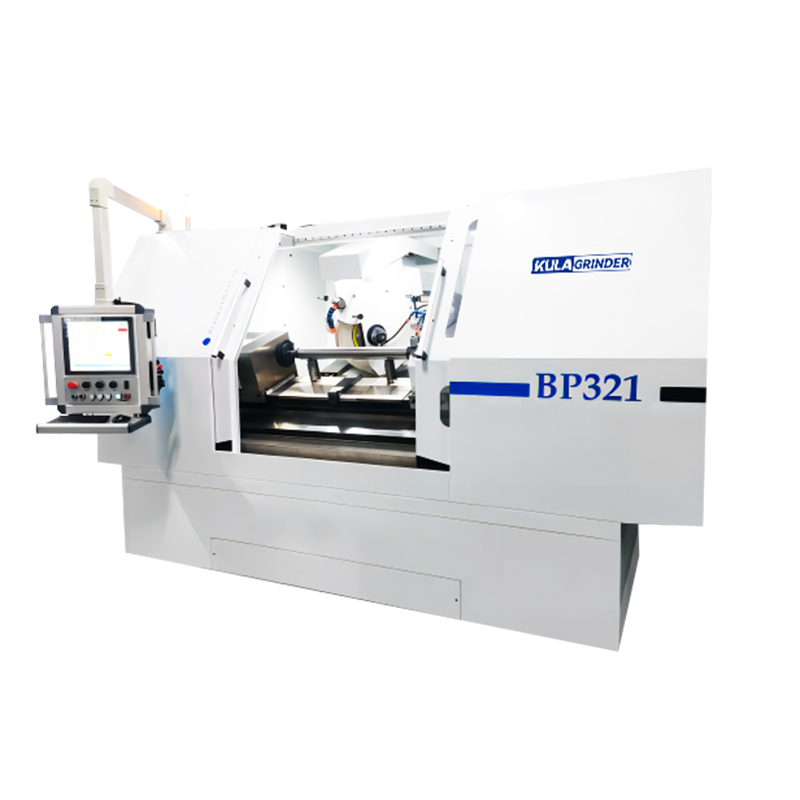
What is a CNC Composite Grinder?
Definition and Purpose of CNC Composite Grinders
A CNC composite grinder is a computer-controlled machine used for grinding workpieces with complex geometries and varying materials. Unlike traditional grinding machines, CNC composite grinders can handle multi-surface grinding tasks such as shaping, smoothing, and finishing without requiring manual interventions. The machine's automation ensures repeatability and precision, essential for industries where accuracy is paramount.
These grinders are specifically designed to handle composite materials—such as carbon fiber, fiberglass, and other reinforced materials—alongside traditional metals, making them highly versatile. By using advanced control systems, they can maintain tight tolerances, enhance the overall surface finish, and process intricate geometries that would be challenging with conventional methods.
Core Components of CNC Composite Grinders
The core components of a CNC composite grinder include:
| Component | Purpose |
| Grinding Wheel | The tool that removes material from the workpiece, with various types for different finishes. |
| CNC Control System | A system that controls the movements of the grinding wheel for precision. |
| Workpiece Fixture | Holds the workpiece securely, ensuring stability during grinding. |
| Coolant System | Prevents overheating, reducing friction and extending tool life. |
Key Benefits of Multi-surface and Multi-process Grinding
Time and Cost Efficiency
One of the primary advantages of using a CNC composite grinder for multi-surface and multi-process workpieces is the significant reduction in time and cost. Traditionally, manufacturers would need separate machines for different types of grinding operations, which would require multiple setups, handling, and adjustments. With a multi-process CNC grinder, all necessary tasks can be performed in a single setup, reducing the need for manual intervention and minimizing downtime.
This efficiency leads to faster turnaround times for production runs, allowing manufacturers to meet tight deadlines without sacrificing quality. The reduction in machine setups also decreases the need for expensive equipment, making it a cost-effective solution for companies with high-volume manufacturing demands.
Improved Precision and Surface Quality
CNC composite grinders ensure high precision by using computer-controlled movements, which minimizes human error. This automated precision is particularly important when working with high-tolerance parts required in aerospace, automotive, and medical sectors. CNC grinders maintain consistent dimensional accuracy across multiple parts, ensuring that each component meets stringent quality standards.
Moreover, the multi-surface capability allows for superior surface finishes. The grinders can polish and smooth surfaces to achieve mirror-like finishes, which are essential for components like gears, turbine blades, and medical implants. The ability to handle various surface types in one process guarantees a more uniform product output.
Flexibility in Processing Various Materials
A significant benefit of CNC composite grinders is their ability to process a wide range of materials, including composites, metals, and ceramics. These grinders are built to adapt to the needs of diverse industries, from lightweight, heat-resistant composites used in aerospace to the high-strength metals required in automotive and energy sectors.
The versatility of CNC composite grinders extends beyond just the material types; they can also handle complex workpieces with varying geometries. This flexibility allows manufacturers to produce custom parts or tackle projects with non-standard shapes, such as gears, turbine blades, and threaded components.
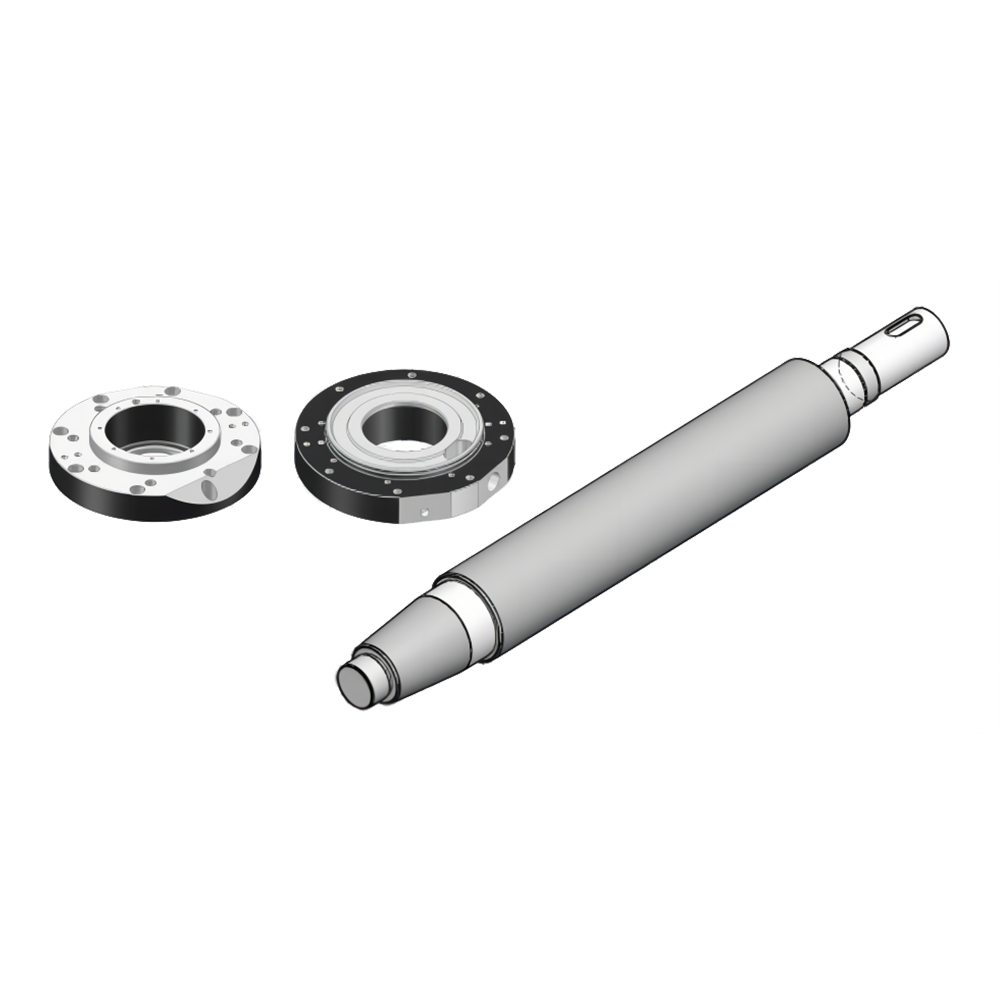
Types of Workpieces Processed by CNC Composite Grinders
High-Precision Aerospace Components
Aerospace components are some of the most demanding parts to manufacture due to the extreme precision required. CNC composite grinders excel in producing parts like turbine blades, engine components, and structural parts, where tolerance levels are critical. These grinders ensure that complex shapes are maintained with minimal deviation, providing the performance and reliability needed in the aerospace sector.
Automotive Applications
In the automotive industry, CNC composite grinders are used to manufacture high-precision engine components, transmission parts, and shafts. The ability to grind both internal and external surfaces with high accuracy ensures that automotive parts are produced to meet rigorous safety standards and functional requirements. Additionally, the grinders’ multi-surface capabilities enable the production of components with both flat and cylindrical surfaces in a single setup, improving workflow efficiency.
Medical Device Manufacturing
The medical device industry requires parts with extremely tight tolerances and superior surface finishes, which is where CNC composite grinders shine. They are used in the production of implants, surgical instruments, and prosthetics, ensuring that each component is finely tuned for both functionality and patient compatibility. With their ability to handle various materials such as titanium, ceramics, and composite materials, these grinders are indispensable in medical manufacturing.
Multi-process Grinding Capabilities of CNC Composite Grinders
Internal and External Grinding Capabilities
CNC composite grinders are equipped with the ability to perform both internal and external grinding processes in a single machine setup. This means that workpieces requiring intricate internal features, such as holes, bores, or recesses, can be ground simultaneously with external surfaces like shafts and gears. The ability to handle both types of grinding without switching machines significantly boosts productivity and reduces setup time.
Thread Grinding and Complex Geometries
CNC composite grinders also excel in grinding complex shapes, such as threads and non-circular geometries. Whether it’s grinding fine threads on a shaft or creating eccentric cams, these grinders can produce highly specialized components for industries like automotive and aerospace. The precision involved in these processes ensures that gears, cams, and other components will function as designed.
Surface and Face Grinding for Flatness and Perpendicularity
Achieving flatness and perpendicularity is essential for parts like flanges and connectors. CNC composite grinders are designed to provide precise surface grinding, ensuring that workpieces meet the required geometric specifications. This is crucial in industries where parts need to fit together with minimal clearance and high stability.
Automation and Advanced Features in CNC Composite Grinders
Intelligent Wheel System with Automatic Tool Changer
CNC composite grinders are often equipped with intelligent wheel systems that can automatically switch between different grinding wheels depending on the material and process requirements. The inclusion of an Automatic Tool Changer (ATC) allows the machine to switch between roughing and finishing wheels without manual intervention. This feature not only streamlines production but also ensures consistency across different workpieces.
Integration with Robotic and Automated Systems
In addition to automated grinding, CNC composite grinders can be integrated with robotic systems for tasks such as workpiece loading and unloading, material handling, and inspection. This further enhances production efficiency, reduces manual labor, and ensures continuous production even during non-operational hours. Automated systems provide real-time feedback, allowing operators to monitor performance and make adjustments remotely, optimizing the overall process.
Software-Driven Performance Optimization
CNC composite grinders rely on advanced software to optimize grinding parameters for different materials and processes. The software adjusts cutting speeds, feed rates, and depth of cut to ensure the highest quality finish while minimizing tool wear. Software-driven optimization also allows for easy adjustments to machine settings, improving flexibility and responsiveness to changing production needs.
Industry Applications of CNC Composite Grinders
Aerospace and Defense
In the aerospace and defense sectors, CNC composite grinders are used to produce high-precision components such as turbine blades, engine parts, and structural components. The ability to handle complex geometries and achieve extremely tight tolerances makes these grinders essential for ensuring the reliability and safety of aerospace applications.
Automotive Manufacturing
Automotive manufacturers rely on CNC composite grinders for mass production of high-precision parts like crankshafts, camshafts, and transmission components. The machines’ ability to produce parts with consistent quality and high dimensional accuracy ensures that automotive systems perform reliably under varying conditions.
Energy and Electronics
CNC composite grinders are also integral to the energy and electronics industries, where high precision is required for components like turbine blades, nuclear reactor parts, and semiconductor devices. The versatility of these grinders in handling a range of materials, including composites and metals, makes them invaluable for producing the parts that power our modern infrastructure.
Conclusion
CNC composite grinders provide significant benefits, such as improved time and cost efficiency, enhanced precision, and superior surface quality. Their multi-process capabilities allow for streamlined production, reduced downtime, and consistent high-quality results across various industries. As technology advances, these grinders will continue to evolve, incorporating innovations in automation, software optimization, and machine design. Companies like KULA offer state-of-the-art CNC composite grinders that help manufacturers meet growing demands in aerospace, automotive, and medical device sectors. KULA’s products deliver exceptional value by enhancing precision manufacturing capabilities.
FAQ
Q: What is a CNC Composite Grinder?
A: A CNC composite grinder is a machine used to perform multi-surface and multi-process grinding tasks on composite materials, metals, and ceramics with high precision.
Q: How does a CNC Composite Grinder improve efficiency?
A: By integrating multiple grinding functions in one setup, a CNC composite grinder reduces downtime and eliminates the need for multiple machines, increasing production efficiency.
Q: What are the benefits of using a CNC Composite Grinder for multi-process workpieces?
A: It streamlines production, ensures high-quality outputs, and enhances precision across various materials, making it ideal for industries like aerospace, automotive, and medical manufacturing.
Q: Can a CNC Composite Grinder handle both internal and external grinding?
A: Yes, a CNC composite grinder is designed to perform both internal and external grinding operations without the need for multiple setups.


