Introduction
Have you ever wondered how industries achieve such precise, high-quality components? The answer often lies in CNC honing machines.
CNC honing, or Computer Numerical Control honing, is a key process in modern manufacturing. It ensures superior precision, surface finish, and accuracy in critical components.
In this post, we’ll explore why CNC honing machines are essential for precision manufacturing, and how they stand out in achieving micron-level tolerances. You’ll also learn about their advantages, applications, and the industries that benefit most.
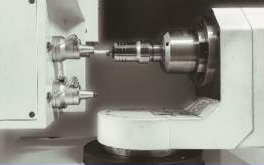
The Advantages of CNC Honing Machines for Precision Manufacturing
1. Enhanced Precision and Accuracy
Micron-Level Tolerances:
CNC honing machines are capable of achieving micron-level tolerances, making them perfect for industries where precision is critical. This level of accuracy is essential in fields like aerospace and automotive, where even the smallest deviation can lead to performance issues or safety concerns.
Consistent Geometry:
The automated processes in CNC honing ensure that each bore is consistently sized, straight, and round. This reduces dimensional variations, ensuring that parts meet the exact specifications every time. Whether you’re producing a batch of engine components or medical devices, consistency is key to maintaining quality.
Improved Surface Finish:
CNC honing excels at removing surface imperfections, leaving parts with a smooth, low-friction surface. This is particularly important for components that undergo high-stress conditions, like engine cylinders or hydraulic valves, where durability and performance depend on the surface finish.
2. Increased Efficiency and Productivity
Faster Cycle Times:
One of the main advantages of CNC honing is its ability to operate at higher speeds compared to manual methods. This faster cycle time significantly reduces production time, allowing manufacturers to produce more parts in less time. With automated control, the process is both faster and more precise.
Reduced Setup Time:
CNC honing machines can quickly switch between different workpieces, minimizing downtime between setups. With quick changeovers and minimal manual intervention, the overall setup time is significantly reduced, increasing the efficiency of the entire production process.
Automated Processes:
Since CNC honing is largely automated, the potential for human error is greatly minimized. The consistent automation ensures high-quality results while reducing the need for constant monitoring. This also decreases the amount of manual labor involved, allowing for higher throughput and better productivity.
3. Repeatability and Consistency
Reproducible Results:
Once a CNC honing machine is set up and calibrated, it can repeat the same process with exceptional precision. This repeatability ensures that every part in a batch maintains the same level of quality, crucial for large-scale manufacturing where consistency is important.
Reduced Scrap Rates:
Thanks to the precise control over various parameters, CNC honing machines minimize defects and reduce material wastage. The ability to monitor and adjust settings in real-time means fewer parts need to be scrapped due to errors, leading to cost savings and a more sustainable manufacturing process.
4. Versatility and Flexibility
Wide Range of Applications:
CNC honing is versatile and can handle a wide variety of materials, from metals like steel to plastics. Its ability to work with different workpiece geometries makes it a go-to option across industries like aerospace, medical devices, automotive, and more.
Adaptability to Different Parts:
Another advantage of CNC honing machines is their adaptability. These machines can be reprogrammed to accommodate different parts, making them ideal for a variety of manufacturing needs. Whether you’re working on a small-scale prototype or a large production run, CNC honing can handle the job.
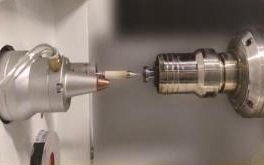
CNC Honing Machines vs. Traditional Honing Methods
1. Human vs. Automated Control
The Shift from Manual to CNC Honing:
Traditional manual honing relies heavily on operator skill. The process requires constant adjustments by hand, which can introduce human error. In contrast, CNC honing uses automated controls to precisely manage every aspect of the process. This leads to a much higher level of accuracy and consistency. CNC machines can operate continuously without the variability seen in manual methods, resulting in faster and more reliable production.
Reducing Human Error:
With CNC honing, most of the process is automated, reducing the chances of mistakes caused by tiredness, inexperience, or human oversight. The machine follows a set program, making adjustments automatically. This leads to more consistent results, ensuring parts meet the required specifications without the risk of operator-induced errors.
Lower Production Costs:
CNC honing is cost-effective because it minimizes material waste. By ensuring precision, the process removes only the necessary amount of material. It also reduces labor costs by requiring less human intervention. Overall, this leads to a more efficient and economical manufacturing process.
Efficiency in Small and Large Batches:
Whether you’re producing small prototypes or large batches, CNC honing is highly adaptable. The automated nature of the process ensures that each piece, regardless of batch size, receives the same high level of precision. This makes it ideal for both high-volume production and small-scale, custom work.
Types of CNC Honing Machines
1. CNC Vertical Honing Machines
Best for:
Precision finishing of internal holes in components such as engine cylinders, transmission housings, and valve seats.
Aerospace applications, particularly in the manufacture of hydraulic and pneumatic components.
Long holes in hydraulic systems, such as hydraulic cylinders and valves.
The vertical structure of the CNC Vertical Honing Machine saves floor space, making it ideal for high-precision and high-rigidity tasks.
2. CNC Horizontal Honing Machines
Best for:
Automotive industry components, including engine cylinders and transmission parts.
Hydraulic and pneumatic systems, such as hydraulic cylinders, piston rods, and pumps.
Aerospace applications, particularly for machining critical components.
Precision machining for medical devices, valves, and mechanical parts.
The horizontal structure is ideal for processing long holes or large diameter workpieces, offering better operational control and higher machining efficiency.
3. CNC Deep Hole Honing Machine
Best for:
Precision machining of deep-hole workpieces, such as hydraulic cylinders and gas cylinders.
Industries requiring deep hole processing, including aerospace, automotive, medical, defense, and oil and gas.
This type of machine is designed specifically for deep hole processing, handling workpieces with a length-to-diameter ratio greater than 10:1, ensuring high precision and superior surface quality.
Applications of CNC Honing Machines Across Industries
1. Aerospace Industry
Critical Components:
In aerospace, precision is non-negotiable. CNC honing ensures parts like actuator housings, control sleeves, and other critical components are made to exact specifications. These parts must withstand high stress and extreme conditions, so CNC honing's ability to achieve micron-level tolerances is crucial for their performance and safety.
2. Automotive Industry
Engine Parts and Cylinder Bores:
Automotive manufacturers rely on CNC honing for engine components, especially cylinder bores and valve guides. These parts must be perfectly smooth and precisely sized for optimal engine performance. CNC honing ensures consistency in these parts, improving engine efficiency and longevity.
3. Medical Devices and Implants
High Precision for Medical Components:
Medical devices require extremely high precision, and CNC honing delivers just that. Whether it's for surgical tools, implants, or diagnostic equipment, CNC honing provides the smooth surface finish and tight tolerances necessary for patient safety and device functionality. These machines play a crucial role in manufacturing life-saving devices with utmost accuracy.
4. Oil and Gas Industry
Components for Reliability:
In the oil and gas industry, CNC honing is essential for producing components like valves, seals, and pressure regulators. These parts must be durable, reliable, and able to withstand harsh environmental conditions. CNC honing ensures these components meet the stringent standards required for safety and performance in demanding applications.
5. Defense and Military
High-Precision Applications:
CNC honing is critical in defense and military applications where parts like gun barrels and missile components must meet extremely tight tolerances. These high-precision components must perform under extreme conditions, and CNC honing ensures they are manufactured to the exact specifications, enhancing both safety and reliability in the field.
How Does CNC Honing Work?
1. The CNC Honing Process Explained
Step-by-Step Breakdown:
The CNC honing process begins with workpiece preparation. First, the part is cleaned and checked for any debris that could affect the honing. Then, the machine is set up with the appropriate honing tools based on the material and desired finish. Next, the machine is programmed with specific parameters, including size, bore length, and finish type. Finally, the automated honing process begins, with the machine performing the required movements to refine the workpiece to its exact dimensions.
Real-Time Adjustments:
CNC honing machines are designed to continuously monitor and adjust various parameters during the process. For example, if the honing tool wears down, the machine can automatically adjust its movements to maintain the desired tolerance. This real-time monitoring ensures consistent results, even when unexpected variations arise during the honing process.
2. Workpiece Inspection and Quality Control
Final Measurement and Check:
After the honing process is complete, the workpiece undergoes a thorough inspection. Measuring tools like micrometers and height gauges are used to check dimensions and surface quality. The workpiece is also tested for roundness and smoothness, ensuring it meets the exact specifications. This final check guarantees that each component is ready for use and meets the required precision standards.
Common Challenges and Solutions in CNC Honing
1. Wear and Tear on Honing Tools
Tool Maintenance and Longevity:
Honing tools, like any cutting tools, experience wear over time. As they wear, their ability to achieve the desired finish and accuracy diminishes. To combat this, regular monitoring of tool performance is essential. Frequent inspections help identify signs of wear early, allowing for timely maintenance or replacement. Proper tool maintenance, such as cleaning and lubricating, ensures the honing process remains consistent, which helps maintain the high quality of the parts being produced.
2. Adjusting for Variations in Material Types
Adapting to Different Materials:
Honing different materials presents unique challenges. Metals, plastics, and composites all require different honing strategies. For example, harder metals may need more robust abrasive tools and slower honing speeds, while softer materials may require finer abrasives. CNC honing machines are adaptable, allowing for adjustments to parameters such as tool speed, feed rate, and pressure. By fine-tuning these settings, the machine can efficiently handle a wide range of materials, ensuring optimal results for each.
Conclusion
CNC honing machines offer unmatched precision, efficiency, repeatability, and versatility. They ensure consistent results and high-quality finishes across industries.
As technology advances, CNC honing will become even more precise and efficient. The integration of new software and automation will continue to enhance its capabilities, improving manufacturing processes.
FAQ
Q: What is the main advantage of CNC honing compared to manual honing?
A: CNC honing offers superior precision, repeatability, and speed compared to manual honing. The automated process minimizes human error and ensures consistent results, making it ideal for high-precision manufacturing.
Q: How accurate are CNC honing machines?
A: CNC honing machines can achieve micron-level precision, ensuring tight tolerances and smooth surfaces. This accuracy is crucial for industries requiring high-performance components, such as aerospace and automotive.
Q: Can CNC honing be used for small batches?
A: Yes, CNC honing is cost-effective for both small and large batches. Its automation ensures consistent results even in small-scale production, making it ideal for prototyping and custom work.
Q: What industries benefit most from CNC honing machines?
A: CNC honing is widely used in industries like aerospace, automotive, medical devices, oil and gas, and defense. It ensures precision in critical components, improving performance and safety across these sectors.


