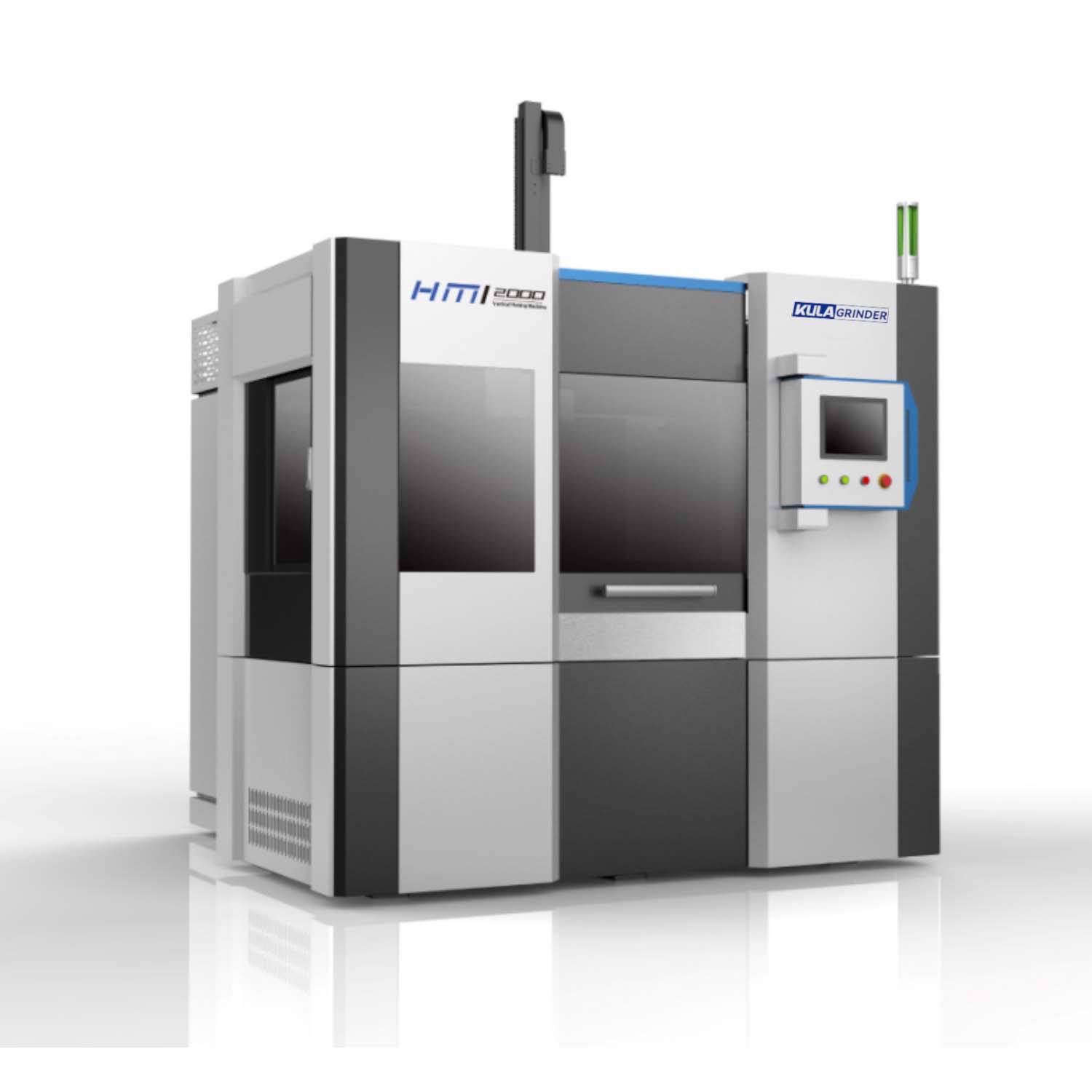
Choosing the right honing machine requires careful consideration of your specific needs. Vertical and horizontal honing machines serve different purposes. Evaluate factors such as workspace, part size, and production volume. Understanding these elements will guide you in selecting the most suitable machine for your operations.
Key Takeaways
Evaluate your workpieces carefully. Vertical honing machines suit larger, cylindrical parts, while horizontal machines excel with shorter components.
Consider your production needs. Choose horizontal machines for high-volume production and speed, while vertical machines are best for precision and tight tolerances.
Assess your workspace. Horizontal machines require less vertical space, making them ideal for smaller facilities, while vertical machines need more clearance.
Understanding Honing Machines
Honing machines play a crucial role in achieving precise surface finishes and dimensional accuracy in various industrial applications. These machines utilize abrasive tools to refine the inner surfaces of workpieces, ensuring they meet specific tolerances. Understanding the primary functions and components of honing machines can help you make informed decisions when selecting the right equipment for your needs.
Here are some key components and functions of honing machines:
Component/Function
Description
Dual-spindle honing machine
Designed for processing small diameter holes in an automatic mode.
Automatic movement along X and Y axes
Allows for complete processing cycles without removing the part or reinstalling the tool.
Honing heads
Expand honing stones to a precise specified size, with automatic radial feed during honing.
Gyroscopic fixture
Secures the workpiece with four degrees of freedom for precise location relative to the tool.
Automatic impact protection system
Protects against operator errors or obstacles during the honing cycle.
Active control and shape correction
Monitors geometry during processing and corrects deviations automatically.
Coolant supply system
Includes multiple filtration stages to maintain coolant quality.
Automatic lubrication system
Extends the service life of machine components, enhancing reliability.
Touchscreen control
Facilitates flexible management of the honing process.
Remote control operation
Provides additional convenience in machine operation.
Meets modern standards
Ensures high precision and specified surface roughness requirements for a wide range of honing operations.
By understanding these components, you can better appreciate how honing machines operate and their significance in manufacturing processes. This knowledge will guide you in selecting the right honing machine for your specific applications.
How Vertical Honing Machines Work
Vertical honing machines operate using a unique mechanical process that enhances precision and efficiency in honing applications. These machines are particularly effective for honing cylindrical workpieces, such as engine blocks and hydraulic cylinders. Here’s a breakdown of how they function:
Vertical Stroke: The machine employs a vertical stroke mechanism, allowing for efficient honing of cylinders in an automatic mode. This design minimizes the need for manual intervention, streamlining the production process.
Automatic Axis Movement: The column of the honing machine moves automatically along the X and Y axes. This feature increases the working area and allows for the processing of larger parts without repositioning.
High Precision Z-axis Drive: Equipped with a servo drive, the Z-axis ensures precise movement. This technology prevents collisions and maintains accuracy during the honing cycle.
Automatic Impact Protection: Before starting a cycle, the machine checks for obstacles. This safety feature protects both the tools and workpieces from potential damage.
Automatic Radial Feed: The honing stones expand automatically, programmed via the CNC system. This ensures that the dimensions achieved are precise and consistent.
Active Control System: This system monitors the geometry of the cylinder throughout the honing process. If any deviations occur, the machine performs corrective actions to maintain accuracy.
Integrated Coolant System: The machine features a multi-stage filtration system for coolant management. This system helps maintain optimal operating conditions and prolongs the life of the honing stones.
Automatic Lubrication System: By automatically lubricating ball screws and linear guides, this system extends the lifespan of machine components, enhancing reliability.
Compliance with Standards: Vertical honing machines meet modern standards for precision and surface roughness, making them suitable for a wide range of honing operations.
The accuracy and tolerance levels achieved by vertical honing machines are impressive. After a single honing cycle, diameter deviations do not exceed 0.025 mm. Additionally, the deviation from roundness is only 0.006 mm, which falls well within specified tolerances. Workpieces may arrive for honing with size fluctuations of about 0.05 mm in specific sections and up to 0.075 mm over the entire surface.
In terms of maintenance, vertical honing machines require specialized care compared to other types. While they offer high precision, their maintenance can be more complex. In contrast, horizontal honing machines tend to be easier to maintain and come with lower costs.
By understanding these operational aspects, you can appreciate the capabilities of vertical honing machines and how they can meet your specific honing needs.
How Horizontal Honing Machines Work
Horizontal honing machines operate through a distinct mechanical process that caters to specific applications in manufacturing. These machines are particularly effective for shorter bores and are often used in batch production of smaller components. Here’s how they function:
Horizontal Stroke Mechanism: The machine uses a horizontal stroke to move the honing tool across the workpiece. This design allows for efficient processing of shorter components, making it ideal for high-volume production.
Automatic Tool Adjustment: Horizontal honing machines often feature automatic tool adjustment systems. This capability ensures that the honing stones maintain optimal contact with the workpiece, enhancing precision and consistency.
Batch Processing: These machines excel in batch production settings. You can process multiple workpieces simultaneously, which significantly increases productivity and reduces cycle times.
Simplified Setup: Setting up a horizontal honing machine is generally more straightforward than its vertical counterpart. This ease of use allows operators to quickly switch between different jobs, making it a versatile choice for various applications.
Cost-Effectiveness: Horizontal honing machines tend to be more cost-effective for shorter components. They provide a balance between speed and precision, making them suitable for industries that require efficient production without sacrificing quality.
Stability and Speed: While horizontal machines may not offer the same level of precision as vertical machines, they compensate with speed. The horizontal orientation allows for faster processing times, which can be advantageous in high-demand environments.
Tip: If you primarily work with smaller components or require high-volume production, a horizontal honing machine may be the right choice for your operations.
Key Factors to Consider
When selecting a honing machine, you must evaluate several key factors to ensure you make the right choice. Here are the most important considerations:
Type of Workpieces: Identify the nature of the components you will work on. Different machines excel in various applications. For instance, vertical honing machines are ideal for cylindrical parts, while horizontal machines suit shorter components.
Production Scale: Determine whether your production needs focus on mass production or precision work. This decision significantly influences your choice. Vertical machines often cater to high-precision tasks, while horizontal machines are more efficient for batch processing.
Precision and Accuracy Needs: Assess the required precision levels for your projects. Vertical honing machines provide superior accuracy, making them suitable for applications demanding tight tolerances. In contrast, horizontal machines offer cost-effectiveness for shorter workpieces.
Space Requirements: Consider the available space in your facility. Vertical honing machines require more vertical clearance due to their design. They are larger and need more room, making them suitable for facilities with high ceilings. Horizontal honing machines, however, have a compact design and require less space, making them ideal for smaller workshops.
By carefully evaluating these factors, you can select the honing machine that best fits your operational needs and production goals.
Comparing Vertical and Horizontal Honing Machines
When choosing between vertical and horizontal honing machines, you should consider several performance factors. Each type has its strengths and weaknesses, which can significantly impact your operations.
Feature
Vertical Honing Machines
Horizontal Honing Machines
Efficiency
Best for high-volume production with faster cycle times
More efficient for smaller, shorter workpieces
Precision
Offers better results for high precision, especially in long bores
Suitable for moderate precision jobs
Applications
Ideal for larger, heavier components requiring accuracy
Best for mass production of smaller components
Cost
Higher initial investment and operational costs
More affordable, smaller, and easier to maintain
Automation capabilities also differ between the two types. Vertical honing machines often feature advanced automation with dual spindles and a CNC system. This setup allows for automatic movement along the X and Y axes, enhancing efficiency. In contrast, horizontal honing machines utilize a CNC system with automatic weight compensation and monitoring, making them versatile for various applications.
Feature
Vertical Honing Machine (HM20D)
Horizontal Honing Machine (HR60-ZC)
Automation Level
Advanced automation with dual spindles and CNC system
CNC system with automatic weight compensation and monitoring
Movement Control
Automatic movement along X and Y axes
Designed for processing long pipes with real-time monitoring
Additional Automation Features
Automatic impact protection, active control, lubrication
Versatile with adjustable parameters and automatic activation
Application Focus
General honing processes
Specifically for long pipes, emphasizing adaptability
By evaluating these comparisons, you can determine which honing machine aligns best with your production needs and operational goals.
Making the Right Choice
Selecting the right honing machine requires careful consideration of your specific needs. Start by evaluating the type of workpieces you handle. For smaller, shorter components like gears and valve bodies, horizontal honing machines often prove more efficient. Their compact design allows for faster processing, making them ideal for limited workspace.
Next, assess your production requirements. If you focus on high-volume production, horizontal machines can enhance productivity due to their speed and batch processing capabilities. However, if precision is your priority, vertical honing machines excel in achieving tighter tolerances, especially for larger components.
Consider the following criteria when making your decision:
Space Availability: Horizontal machines require less vertical clearance, making them suitable for smaller facilities.
Productivity Needs: Determine whether you need to produce in bulk or focus on precision work.
Precision Requirements: Evaluate the accuracy levels necessary for your applications.
Nature of Components: Identify the specific characteristics of the parts you will hone.
Tip: Always align your choice with your operational goals. A well-suited honing machine can significantly enhance your manufacturing efficiency and product quality.
By weighing these factors, you can confidently choose the honing machine that best fits your operational needs and production goals.
Choosing between vertical and horizontal honing machines depends on your specific needs. Consider the following criteria:
Criteria
Vertical Honing Machine
Horizontal Honing Machine
Precision
Offers extremely high precision, especially in long bores
Suitable for applications that require less precision
Production Speed
Generally slower due to precision focus
Faster, ideal for high-speed production
Space Consideration
Requires more vertical space
More compact, suitable for limited space
Application Suitability
Best for high-precision applications
Best for general production needs
Evaluate these factors to make an informed decision that aligns with your operational goals.
FAQ
What is the main difference between vertical and horizontal honing machines?
Vertical honing machines excel in precision for larger components, while horizontal machines are better for high-speed production of smaller parts.
How do I determine the right honing machine for my needs?
Evaluate your workpiece size, production volume, and precision requirements to choose the most suitable honing machine for your operations.
Are honing machines easy to maintain?
Maintenance complexity varies. Vertical honing machines require specialized care, while horizontal machines are generally easier and more cost-effective to maintain.