What if one tiny hole ruins an entire machine assembly? A Bore grinding machine prevents that silent failure risk. It protects precision where every micron defines performance.
This article explains what a Bore grinding machine truly solves. It clarifies why internal diameter accuracy matters in modern manufacturing. It shows how it differs from traditional internal machining methods.
In this article, you will understand how it achieves extreme accuracy. You will learn its role in precision engineering success. You will see when a CNC Internal Grinder delivers maximum value.
Key Takeaways
It ensures micron-level internal accuracy and stable geometry for precision components.
It improves surface finish and reduces friction in rotating systems.
It minimizes failure risks across automotive, aerospace, and medical sectors.
It supports high-volume production through CNC automation and intelligent control.
It enables smarter investment through consistent quality and process reliability.
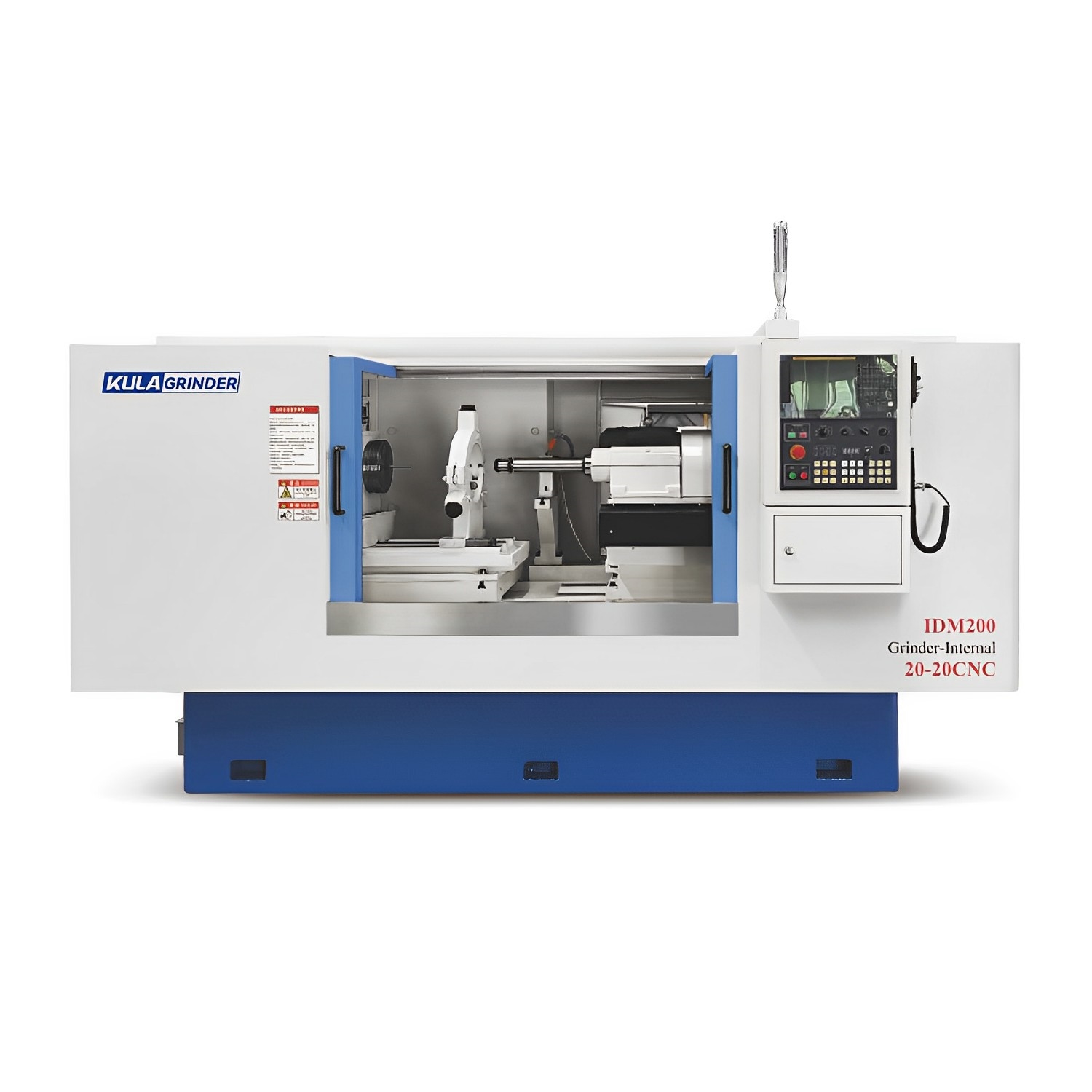
Defining the Bore Grinding Machine and Its Core Purpose
What a Bore Grinding Machine Actually Does in Precision Engineering
A Bore grinding machine refines internal diameters with micro-level accuracy. It shapes inner surfaces while maintaining structural integrity. It guarantees roundness and straightness. We rely on it for high-precision assemblies.
How a Bore Grinding Machine Achieves Micron-Level Internal Accuracy
It uses high-speed abrasive wheels rotating inside the bore. Controlled axial movement removes material evenly. A CNC Internal Grinder monitors feed path and speed. It maintains tolerance stability.
Typical Workpieces Requiring Bore Grinding Machine Precision
Bearing inner rings
Transmission sleeves
Hydraulic cylinders
Gear hubs
Precision valve housings
These parts demand stable internal geometry.
Bore Grinding Machine vs Internal Machining — Functional Differences
Internal boring cuts quickly but often sacrifices precision and surface integrity. Bore grinding focuses on finishing by removing minimal material layers under controlled conditions. It delivers tighter tolerance and superior surface quality, creating perfectly smooth internal walls that enhance component fit and durability. This refinement reduces friction, limits vibration, and improves overall performance in precision assemblies such as bearings, hydraulic systems, and transmission components.
Why Internal Tolerance Control Demands Specialized Bore Grinding Equipment
Precision systems require strict tolerances to maintain structural stability and reliable operation. Even a 0.01 mm deviation disrupts performance by causing imbalance, excessive vibration, and uneven load distribution. Bore grinding ensures consistency by maintaining exact internal geometry throughout the machining process. This precision improves component lifespan, reduces mechanical stress, and guarantees smooth interaction between moving parts in high-performance industrial environments.
The Role of CNC Control in Modern Bore Grinding Machine Performance
CNC systems automate motion with precise digital control and real-time feedback. They reduce operator dependency by minimizing manual adjustments and human error during complex grinding operations. They improve quality tracking and traceability through detailed production data recording and process monitoring. This automation ensures consistent output, supports high-volume manufacturing, and simplifies compliance with strict industrial quality standards across precision engineering environments.
Table 1: Precision Comparison
| Method | Accuracy Range | Surface Quality |
| Bore Grinding | ±0.001 mm | Excellent |
| Honing | ±0.01 mm | Good |
| Internal Boring | ±0.05 mm | Moderate |
CNC Internal Grinder systems deliver better repeatability for batch production.
How a Bore Grinding Machine Works Step by Step
Internal Grinding Mechanics Explained
The workpiece mounts securely on a rotating chuck to ensure stable positioning and perfect alignment throughout the grinding cycle. The wheel enters the bore and makes controlled contact with the internal surface. It grinds gradually until size targets meet exact specifications. This steady process improves dimensional accuracy, enhances surface smoothness, and guarantees consistent internal geometry for high-precision mechanical components.
Interaction Between Spindle Rotation and Bore Surface Quality
Higher spindle speed improves finish by allowing the grinding wheel to cut more smoothly and evenly across the internal surface. Stable rotation limits chatter and vibration, which directly protects surface integrity and dimensional accuracy. This stability prevents irregular marks, reduces noise, and ensures consistent bore geometry, especially in precision components where smoothness and balance directly influence performance and operational lifespan.
Importance of Feed Rate and Contact Stability
Balanced feed prevents surface burns by controlling the force and speed applied during the grinding process. Stable contact ensures even material removal across the entire bore surface, eliminating uneven pressure points. This balance protects the workpiece from thermal damage, maintains smooth texture, and guarantees consistent dimensional accuracy. It also improves overall machining stability in high-precision production environments.
Role of Coolant and Temperature Regulation in Bore Grinding
Coolant reduces heat by absorbing and dissipating excess thermal energy generated during the grinding process. It protects material structure by preventing micro-cracks, surface hardening, and internal stress formation. It prevents distortion by maintaining stable temperature conditions throughout machining. This controlled cooling ensures consistent dimensional accuracy, preserves mechanical properties, and extends the service life of precision components in demanding industrial applications.
Table 2: Process Control Factors
| Parameter | Effect on Quality |
| Spindle Speed | Surface Smoothness |
| Feed Rate | Dimensional Accuracy |
| Coolant Flow | Thermal Stability |
| Wheel Grit | Finish Consistency |
Key Components That Define Bore Grinding Machine Performance
High-Speed Internal Grinding Spindle Design
Spindle precision impacts wheel balance by maintaining consistent rotational stability throughout the grinding cycle. It determines finish quality and tool lifespan by reducing vibration, minimizing uneven wear, and preserving grinding wheel integrity. High-precision spindles ensure smoother surface textures, tighter tolerance control, and reliable machining accuracy. This precision directly supports long-term equipment performance and lowers maintenance frequency in high-demand industrial operations.
Work Holding and Centering Systems for Bore Accuracy
Clamps secure alignment by firmly holding the workpiece in its correct position throughout the grinding cycle. They prevent eccentricity and uneven surfaces by stabilizing the component against movement, vibration, or misalignment. This precise positioning ensures uniform material removal, improves surface finish consistency, and maintains accurate bore geometry. Reliable clamping also reduces the risk of rework and enhances overall machining efficiency in precision applications.
Precision Bearings and Vibration Control Mechanisms
Anti-friction bearings reduce tool oscillation by minimizing rotational resistance and mechanical friction during high-speed grinding. They stabilize grinding motion, ensuring smooth and controlled wheel movement against the bore surface. This stability protects surface quality, maintains tight tolerances, and prevents chatter marks. Reliable bearings also extend equipment lifespan, lower maintenance frequency, and improve overall machining precision in demanding industrial environments.
Control Systems and Monitoring Sensors in CNC Bore Grinding
Smart sensors detect deviation by continuously monitoring dimensional accuracy, vibration levels, and tool positioning during the grinding process. They adjust automatically by recalibrating feed rates, spindle speed, or tool pressure in real time. This intelligent response prevents defects, maintains consistent surface quality, and ensures stable output. It also improves process reliability and supports precision control in high-performance machining environments.
Table 3: Component Performance Impact
| Component | Performance Role |
| Spindle | Rotation Stability |
| Chuck | Alignment Control |
| CNC Controller | Motion Precision |
| Sensors | Error Detection |
Applications of Bore Grinding Machines Across Industries
Bearing and Bushing Manufacturing
Smooth inner surfaces reduce wear by minimizing friction between moving components during continuous operation. They improve rotational efficiency by allowing parts to spin freely and maintain stable motion under load. This enhanced smoothness lowers energy consumption, limits heat generation, and extends component lifespan. It also supports reliable performance in precision systems such as bearings, motors, and high-speed transmission assemblies.
Automotive Powertrain and Transmission Systems
Precision bores support torque transfer by maintaining perfect alignment between interconnected mechanical elements. They enhance gear engagement by allowing smooth, stable contact between gear teeth during rotation. This precision reduces slippage, minimizes mechanical stress, and prevents premature wear. It also improves energy transmission efficiency, ensures consistent performance, and increases the overall durability of transmission systems operating under heavy loads and high-speed conditions.
Aerospace Structural Components
Extreme tolerance ensures flight safety by maintaining exact internal dimensions that prevent imbalance and structural instability. Bore grinding guarantees consistency by delivering uniform geometry across all critical aerospace components. This precision reduces the risk of mechanical failure, improves load distribution, and maintains stable operation under extreme pressure and temperature conditions. It supports reliable performance and safeguards aircraft systems during high-speed and long-duration flights.
Medical Device Precision Parts
Implants rely on exact geometry to function safely inside the human body without causing irritation or mechanical failure. Bore grinding ensures biocompatibility performance by creating smooth, precisely controlled internal surfaces that support stable integration with surrounding tissue.
Regulatory standards require recorded tolerance validation in medical components to guarantee safety and repeatability. This documentation proves compliance, supports quality audits, and ensures every implant meets strict medical reliability requirements throughout its operational lifespan.
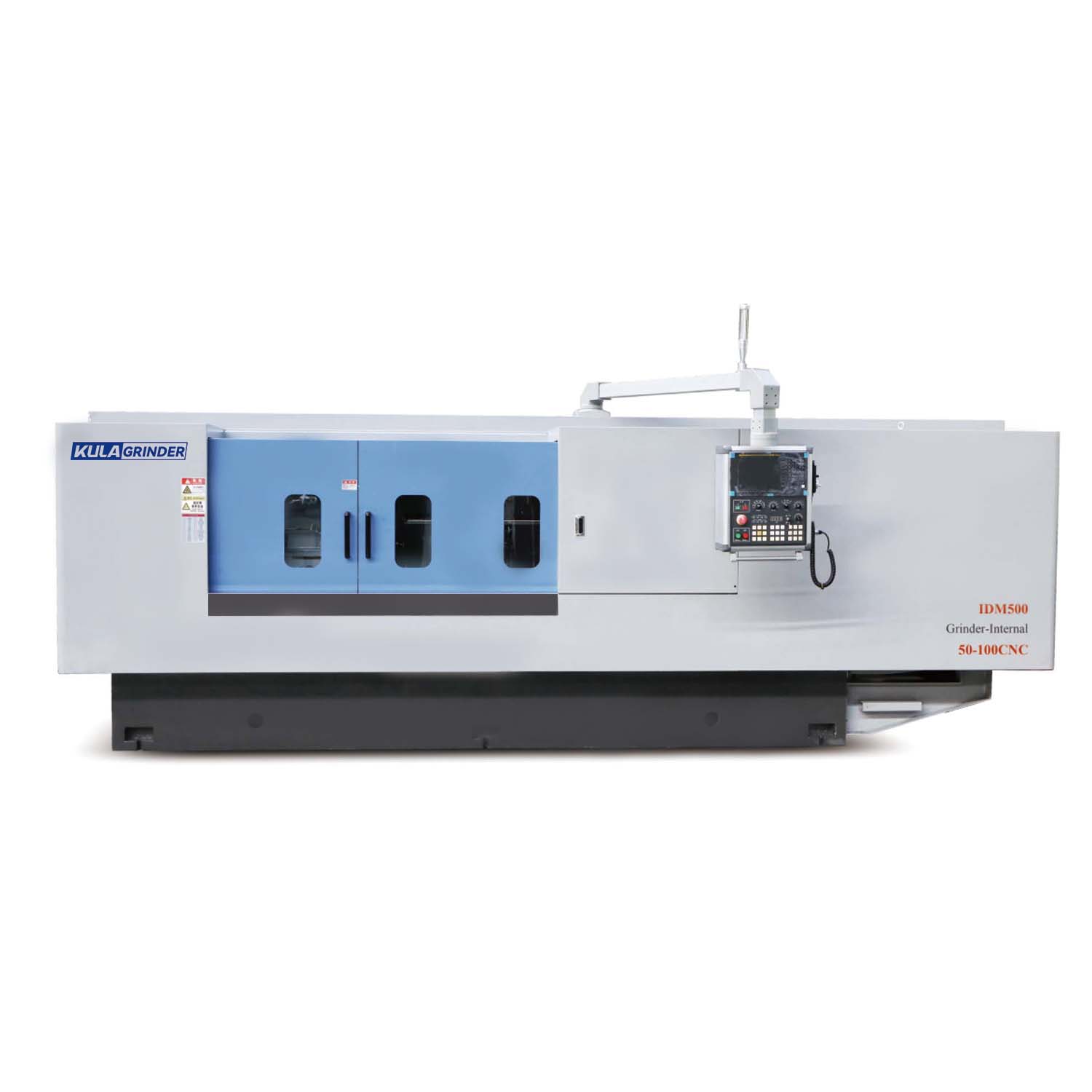
Bore Grinding Machine vs Other Grinding Technologies
Bore Grinding vs Cylindrical Grinding
Bore grinding serves internal surfaces by refining the inside diameter of cylindrical components with extreme precision and smoothness. Cylindrical grinding focuses on external geometry, shaping the outer surfaces for dimensional accuracy and surface finish. While both processes enhance component quality, bore grinding specializes in internal performance stability, ensuring optimal fit, reduced friction, and longer service life in precision mechanical systems.
Bore Grinding vs Honing Processes
Grinding controls size by precisely removing material to achieve exact dimensional targets and consistent bore geometry. Honing improves texture by refining the surface finish and smoothing microscopic irregularities. Grinding offers tighter control over tolerances, ensuring superior accuracy and repeatability. This level of precision supports optimal component fit, reduces mechanical stress, and enhances operational reliability in high-performance manufacturing environments where strict dimensional stability is essential.
Advantages Over Conventional Internal Machining
Grinding reduces tool deflection by maintaining stable contact between the grinding wheel and the workpiece during operation. It delivers superior consistency by ensuring uniform pressure distribution and predictable material removal. This stability preserves dimensional accuracy, prevents irregular surface marks, and enhances repeatability across production cycles. The result is improved component reliability, reduced rework rates, and higher overall machining efficiency in precision manufacturing environments.
Where Bore Grinding Delivers Measurable Superiority
It shines in precision-critical environments where even the smallest deviation impacts performance and safety. It supports micro-tolerance production by maintaining exact dimensional control and consistent surface quality throughout complex machining cycles. This reliability enables manufacturers to meet strict engineering standards, improve repeatability, and produce high-precision components for aerospace, medical, and advanced industrial applications requiring flawless internal geometry.
Choosing the Right Bore Grinding Machine for Your Operation
Matching Bore Grinding Machine Type to Workpiece Geometry
Complex bores need adaptive spindle control to maintain precise alignment and consistent pressure across irregular internal geometries. This adaptability allows the system to adjust dynamically during operation, ensuring uniform material removal and stable surface quality. Large diameters demand rigid frames to prevent structural flexing and vibration. Strong machine rigidity preserves dimensional accuracy, enhances operational stability, and supports reliable performance in high-load, large-scale precision grinding applications.
Key Specifications That Impact Precision Outcomes
Spindle RPM
Feed resolution
CNC system brand
Coolant efficiency
CNC vs Manual Bore Grinding Machine Selection Criteria
Manual machines suit limited batches by offering flexibility and lower initial investment for small-scale or customized production runs. They allow operators direct control, which benefits specialized or low-volume tasks. A CNC Internal Grinder supports mass output by automating precision control, enabling high-speed consistency, and maintaining strict tolerance levels. This automation increases productivity, reduces error rates, and ensures stable quality across large production volumes in industrial manufacturing environments.
Cost-to-Performance Considerations for Buyers
Upfront cost feels high at the initial investment stage, especially for advanced grinding systems with CNC automation and precision control features. However, operational savings improve ROI by reducing scrap rates, minimizing downtime, and lowering long-term maintenance expenses. Increased production efficiency and consistent quality output further offset the initial expense, delivering sustainable financial benefits and stronger profitability over the full lifecycle of the equipment.
Common Challenges and Optimization in Bore Grinding Operations
Preventing Chatter and Vibration During Bore Grinding
Balanced wheels reduce surface instability by maintaining smooth and uniform rotation throughout the grinding process. Proper calibration improves control by fine-tuning spindle speed, feed rate, and pressure balance to match specific workpiece requirements. This precise adjustment minimizes vibration, prevents chatter marks, and ensures consistent material removal. As a result, surface finish quality improves, dimensional accuracy remains stable, and overall machining efficiency increases in precision manufacturing environments.
Maintaining Consistent Surface Finish
Wheel dressing restores cutting efficiency by reshaping the grinding surface and exposing fresh abrasive grains for consistent material removal. Correct parameters stabilize finish by balancing spindle speed, feed rate, and pressure during operation. This combination reduces surface defects, prevents glazing, and maintains predictable texture quality. It also improves dimensional accuracy, extends wheel life, and supports reliable performance in high-precision machining environments.
Wheel Selection and Dressing Strategies
Fine grit suits precision work by producing smooth finishes and tight dimensional control on delicate internal surfaces. It allows gradual material removal and ensures consistent texture in high-accuracy applications. Coarse grit suits rough shaping by removing larger material volumes quickly during initial machining stages. This approach speeds up shaping, prepares surfaces for finishing, and improves overall production efficiency in demanding industrial grinding environments.
Process Stability and Quality Assurance Techniques
Monitoring tools prevent defects by continuously tracking dimensional accuracy, vibration levels, and surface quality throughout the grinding process. They identify irregularities early and trigger corrective adjustments before flaws develop. Stable workflow improves output by maintaining consistent machine performance, reducing interruptions, and ensuring uniform production cycles. This operational stability increases productivity, minimizes waste, and supports reliable quality standards in precision manufacturing environments.
Extra Performance Comparison Table
Table 5: Performance Metrics
| System | Output Consistency | Maintenance Needs |
| Standard Grinder | Medium | High |
| CNC Internal Grinder | High | Moderate |
| KULA CNC System | Very High | Low |
Conclusion
A Bore grinding machine defines precision manufacturing through stable internal geometry and smooth surfaces. CNC Internal Grinder systems improve efficiency, repeatability, and long-term operational reliability.
KULA products deliver superior control, durability, and consistent high-volume performance value. Their solutions support smarter investment decisions and strong manufacturing confidence.
FAQ
Q: What is a Bore grinding machine?
A: A Bore grinding machine refines internal diameters for extreme precision. It improves surface quality and fit accuracy using controlled abrasion or a CNC Internal Grinder.
Q: How does a Bore grinding machine work?
A: It rotates a grinding wheel inside the bore. Material is removed in micro layers. A CNC Internal Grinder ensures stable control.
Q: Why choose a Bore grinding machine over boring tools?
A: A Bore grinding machine delivers tighter tolerances and smoother finishes. It reduces vibration and extends component life.
Q: What does a CNC Internal Grinder improve?
A: It automates feed control and positioning. It boosts repeatability and production efficiency.
Q: How much does a Bore grinding machine cost?
A: Price varies by size and automation. CNC Internal Grinder models cost more but deliver long-term value.


