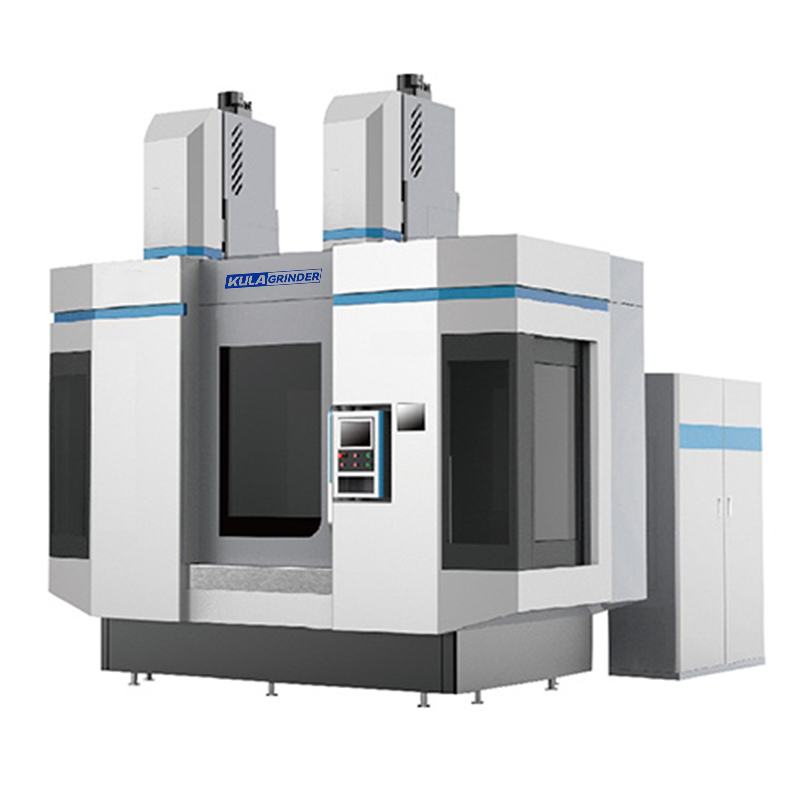
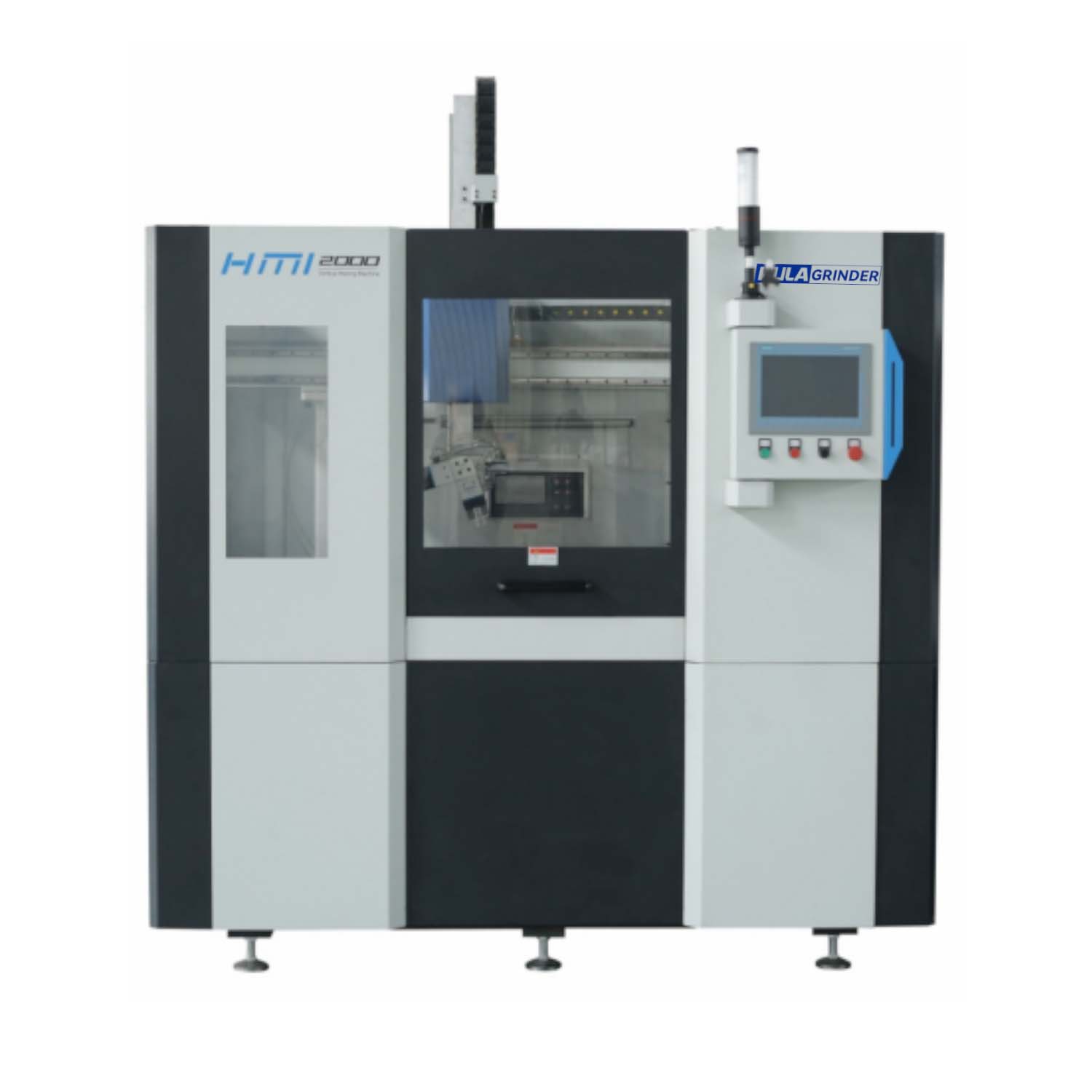
In precision manufacturing, honing machines play a vital role in achieving high-quality surface finishes and precise bore dimensions. Among the most commonly used machines are Vertical Honing Machines and horizontal honing machines. Understanding the differences between these two types is essential for selecting the right equipment for specific applications. This article will explore their working principles, advantages, typical uses, and how to choose the best honing machine based on your production needs.
What Is a Honing Machine?
Honing machines are essential equipment used to improve the surface finish and dimensional accuracy of internal cylindrical surfaces, typically in bores and tubes. The honing process involves an abrasive tool that rotates and moves inside the bore to create smooth, cross-hatched surface patterns. This process is widely used in industries such as automotive, aerospace, and hydraulic manufacturing to ensure parts meet strict precision standards.
Types of Honing Machines
There are two primary categories of honing machines:
Vertical Honing Machines: Designed for large and heavy workpieces with long bores.
Horizontal Honing Machines: Suitable for shorter components and higher-speed production.
Each machine type offers unique features and benefits that make them better suited for specific applications.
How Vertical Honing Machines Work?
Vertical Honing Machines are engineered to process deep bores and long cylindrical components. The honing tool moves vertically along the component’s axis while also rotating to create a precise and controlled cutting action.
Key Features:
The workpiece is held stationary while the honing tool moves vertically.
The combination of vertical and rotational motion produces accurate surface finishes.
Adjustable settings allow control over speed, pressure, and feed rate.
Automated options such as rotary tables can enable continuous production without manual intervention.
Typical Applications:
Cylinder liners
Engine blocks
Valves
Hydraulic cylinders
Crankshafts
Advantages of Vertical Honing Machines:
Ideal for large, heavy workpieces
Superior precision for long bores
Better suited for automated, high-volume production
Excellent for achieving deep and uniform cross-hatch patterns
How Horizontal Honing Machines Work?
Horizontal honing machines are best suited for smaller, lighter components with shorter bore lengths. In this setup, the honing tool moves horizontally through the workpiece, which may remain stationary or rotate, depending on the application.
Key Features:
Compact design suitable for limited floor space
Fast cycle times for high-throughput production
Typically easier to maintain compared to vertical machines
Typical Applications:
Gears
Bushings
Sleeves
Small engine components
Valve bodies
Advantages of Horizontal Honing Machines:
Faster processing for short components
Smaller machine footprint
Lower initial investment
Easier maintenance
Vertical vs Horizontal Honing Machines: Detailed Comparison
Feature
Vertical Honing Machines
Horizontal Honing Machines
Machine Orientation
Vertical setup for large and deep components
Horizontal setup for smaller components
Precision
High precision, especially for long bores
Good precision for short bores
Typical Applications
Engine blocks, hydraulic cylinders, valves
Gears, bushings, sleeves
Space Requirements
Requires more vertical space
Compact and space-saving
Automation
Highly suitable for automated systems
Manual, semi-automatic, or automatic options
Production Speed
Slower but more accurate
Faster cycle times for smaller parts
Cost
Higher initial and maintenance costs
More affordable and easier to maintain
Comparison Summary
When comparing Vertical Honing Machines and horizontal honing machines, it’s clear that each machine excels in different areas. Vertical Honing Machines are the preferred choice when precision, especially in deep and long bores, is the primary requirement. Their ability to handle large, heavy components with high accuracy makes them essential for industries like automotive engine manufacturing, aerospace, and hydraulic equipment production.
On the other hand, horizontal honing machines offer practical advantages for high-speed production of smaller components. Their compact size, faster cycle times, and lower cost make them well-suited for mass production environments where shorter bores are common, such as gear, bushing, and small engine part manufacturing.
In simple terms:
Choose vertical honing machines if your focus is on deep bores, high precision, and larger components.
Choose horizontal honing machines if you need faster processing, limited floor space, and more affordable machinery for smaller parts.
Selecting the right honing machine ultimately depends on balancing your precision needs, production efficiency, available space, and budget. Understanding these core differences ensures you make an investment that supports both your operational requirements and long-term manufacturing success.
How to Select the Right Honing Machine?
Consider These Factors:
Component Size and Weight: For large, heavy, or deep-bore parts, Vertical Honing Machines are the best choice. For small, lightweight parts with short bores, horizontal machines are more suitable.
Precision Requirements: Vertical honing machines provide greater control and higher precision, especially in deep bore applications. Horizontal machines offer sufficient accuracy for smaller parts.
Production Volume: Vertical machines can be highly automated and are better suited for high-volume production of large components. Horizontal machines are ideal for fast, high-volume production of smaller parts.
Available Workshop Space: Vertical machines require more vertical clearance and larger footprints, while horizontal machines are compact and better for facilities with limited space.
Industry Recommendations:
Automotive Industry: Vertical machines are ideal for engine cylinders, while horizontal machines excel in honing gears and smaller engine parts.
Aerospace and Hydraulic Sectors: Vertical honing machines are preferred for their precision when working with critical, large, or complex components.
General Manufacturing: Horizontal machines are commonly used for mass production of smaller, less demanding parts.
Common Mistakes to Avoid
Choosing based solely on machine price without considering space or production needs.
Underestimating precision requirements for long bore components.
Ignoring maintenance complexity when selecting vertical machines.
Overlooking automation capabilities that can improve production efficiency.
Honing Machine Innovations to Watch
IIoT Integration: Many modern Vertical Honing Machines now feature smart controls for better data tracking and production management.
Advanced PLC Systems: Enhanced process control and automation efficiency.
Modular Design: Faster lead times and more customizable configurations for specific applications.
Improved Abrasives: New tooling materials offer longer life and better surface finishes.
Conclusion
Both Vertical Honing Machines and horizontal honing machines serve critical roles in precision manufacturing, but their applications, advantages, and limitations differ significantly. Vertical machines offer exceptional precision and are best suited for large, deep components, while horizontal machines provide faster processing and compact designs for smaller parts. By carefully evaluating your production needs, component sizes, required precision, and available workspace, you can confidently select the honing machine that best fits your manufacturing goals.