Honing is a finishing process used to improve the inside surface of a hole or cylinder. It is often used when standard machining leaves the bore too rough, slightly out of shape, or not accurate enough for final use. A good honing process can improve surface finish, bore accuracy, and part performance at the same time. In many industries, it is an important step for parts that need smooth movement, good sealing, and longer service life.
Key Takeaway
● Honing improves bore finish and accuracy
● It is often used after drilling, boring, or grinding
● The process creates a surface pattern that supports lubrication
● CNC Honing provides more stable and repeatable results
● Different parts need different CNC Honing Machine types
What Is CNC Honing and Why Does It Matter?
What Honing Means in Precision Manufacturing
Honing is a finishing method for internal bores. It uses abrasive stones to remove a very small amount of material from the surface. The goal is not heavy cutting. The goal is to make the bore smoother, more accurate, and more consistent.
What Problems Honing Solves in Bore Finishing
Many parts come out of earlier machining steps close to final size, but not fully ready for use. The bore may still have rough areas, slight shape errors, or uneven contact surfaces. Honing corrects these small problems in a controlled way. This makes the part more reliable in real working conditions.
Why Surface Finish and Bore Accuracy Matter
A bore is not just a hole in a part. Its quality affects friction, sealing, lubrication, and wear. If the surface is too rough or the shape is slightly off, the whole part may perform poorly. That is why honing is widely used for components that need smooth and stable operation.
How the Honing Process Works
The Core Motion of Rotation, Reciprocation, and Controlled Pressure
During honing, the tool rotates inside the bore while also moving back and forth. At the same time, the abrasive stones press lightly against the inner surface. These combined movements gradually improve the bore. This is how honing creates both better finish and better geometry.
How Honing Removes Small Amounts of Material for Higher Accuracy
Honing removes only a thin layer of material. That small removal is enough to correct surface issues and improve size control. Because it is a light finishing process, it is well suited for parts that already have a near-finished bore. This is one reason honing is often used as a final step.
Why Crosshatch Patterns Improve Lubrication and Wear Performance
A honed bore usually shows a crosshatch pattern. This pattern is useful because it helps retain lubricant on the surface. In engine cylinders and hydraulic parts, this can improve wear performance and smoother movement. It is one of the main reasons honing is preferred over simpler finishing methods.
Key Process Variables: Speed, Pressure, Stroke, and Feed
The final result depends on several settings working together. Speed affects cutting behavior, pressure affects how strongly the stones act on the surface, and stroke affects the final pattern inside the bore. Feed control also matters when the target is stable quality across many parts. Good process control leads to more predictable results.
Tools Used in the Honing Process
Honing Stones and Abrasive Selection
Honing stones do the actual cutting work. Their material and grit affect how fast they cut and how smooth the final surface becomes. Some stones are better for faster stock removal, while others are better for fine finishing. Choosing the right abrasive depends on the part material and the finish requirement.
Honing Heads, Mandrels, and Tool Holding Systems
The honing head holds the stones and guides them inside the bore. Mandrels and holders need to stay stable during machining. If the tooling is not rigid enough, accuracy can suffer. A solid tool system supports smoother cutting and better bore correction.
Honing Oil and Cooling Functions
Honing oil does more than cool the process. It also helps remove debris and keeps the abrasive surface working properly. Good fluid control can improve surface quality and reduce tool loading. Poor fluid management can lead to unstable results and shorter tool life.
Tool Wear Compensation for Consistent Results
Abrasive tools wear over time, which is normal. The problem starts when wear changes the process and causes part variation. Modern CNC honing machines can use wear compensation to keep results more consistent. This is useful in production environments where repeatability matters.
Types of Honing Machines and How to Choose the Right One
CNC Vertical Honing Machines for Small to Medium Precision Parts
Vertical honing machines are often used for smaller and medium-sized parts. They are a common choice for applications that need good bore accuracy and stable production. Their layout can also work well in organized factory lines. For many manufacturers, they offer a practical balance of precision and efficiency.
CNC Horizontal Honing Machines for Stable Bore Finishing
Horizontal honing machines are often chosen for parts that need a different handling method or longer machining travel. They can provide stable bore finishing in many production settings. This design is often considered when part shape or workflow makes horizontal loading more practical. It is a useful option for manufacturers dealing with varied workpieces.
CNC Deep Hole Honing Machines for Long and Narrow Workpieces
Deep hole honing machines are made for long bores that standard machines may struggle to process well. These parts need better alignment and more stable control over the full bore length. Hydraulic cylinders and some aerospace parts are common examples. When straightness and internal finish must stay consistent, deep hole honing becomes important.
Practical Machine Selection Criteria
Choosing the right machine starts with the part itself. Bore size, bore length, finish target, material, and production volume all influence the decision. A machine that works well for one application may not suit another. That is why machine choice should follow the real production need, not just the catalog description.
Why CNC Honing Is a Better Choice for Precision Production
Higher Repeatability and Reduced Human Error
CNC honing gives manufacturers better control over the process. It reduces the variation that often comes from manual adjustments and operator differences. This is especially important in batch production. When every part needs to meet the same standard, repeatability becomes a major advantage.
Better Surface Finish and Tighter Tolerances
A CNC system can keep the honing cycle more stable from one part to the next. That stability supports better bore finish and closer size control. For parts that depend on sealing, lubrication, or smooth motion, this makes a real difference. Better consistency also means fewer surprises during inspection.
Higher Throughput and Lower Scrap Rates
Stable production usually means fewer rejected parts and less rework. CNC honing supports this by making results easier to repeat. It can also improve job changeover when process settings are stored in the control system. Over time, this can support better production efficiency.
Easier Setup Through User-Friendly Controls
Modern machines should not be difficult to run. Clear controls make it easier to set parameters, switch jobs, and keep production stable. This is especially useful in factories that handle different parts or smaller batches. A user-friendly system can save time during setup and daily operation.
Honing Process and Machine Selection Overview
Focus Area | What It Means |
Honing Process | Improves bore finish and internal accuracy |
Tooling | Affects surface quality, cutting behavior, and consistency |
Machine Type | Should match bore size, length, and production needs |
CNC Control | Supports repeatability and easier operation |
Application | Determines the right process and machine setup |
Applications of Honing Across Industries
Automotive: Cylinders, Bearings, and Engine Components
The automotive industry uses honing for many critical parts. Engine cylinders are one of the best-known examples. A good honed surface supports lubrication and stable ring movement. Bearings and other precision bores also benefit from better finish and shape control.
Aerospace: Tight-Tolerance and High-Reliability Parts
Aerospace parts often need very stable bore quality. Even small errors can affect fit, movement, or long-term reliability. Honing is useful here because it improves the surface without aggressive cutting. It is a strong option for high-precision bore finishing.
Hydraulic Systems: Precision Finishing for Long Bores
Hydraulic parts rely on smooth internal surfaces for sealing and movement. A poor bore can reduce performance and increase wear. Honing improves the inside finish and helps support more stable operation. For long bores, deep hole honing machines are often the better fit.
Medical and Precision Engineering Components
Medical and precision parts often require very clean and accurate internal features. These applications need stable quality, especially when parts are small or complex. Honing is suitable when the bore must meet a high standard without heavy material removal. In these fields, process stability is very important.
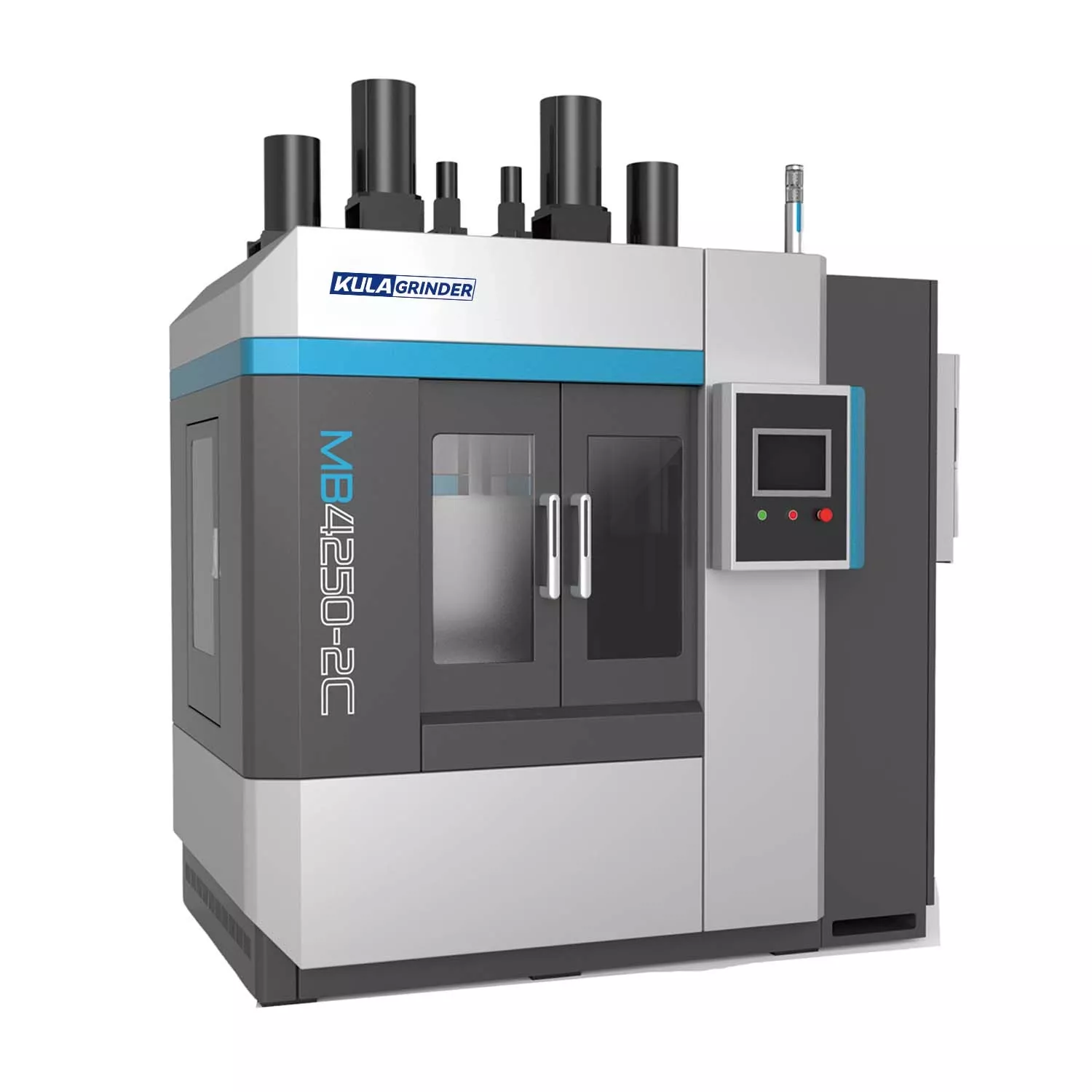
What Makes an Advanced CNC Honing Solution Stand Out?
Broad Machine Coverage for Different Honing Tasks
A strong supplier should offer more than one machine type. Different parts require different solutions, and no single format fits every job. Vertical, horizontal, and deep hole machines each serve different needs. A wider product range makes machine selection more practical.
Custom Solutions for Part Geometry and Production Goals
Standard machines are not always enough. Some manufacturers need special setups based on bore size, material, or output target. Custom solutions can improve machine fit and make production smoother. This is especially important for factories handling specialized or mixed parts.
Factory Support, Training, and After-Sales Service
Buying a machine is only part of the process. Installation, training, and after-sales support also affect long-term results. Strong technical support can reduce startup risk and improve machine use in daily production. For many buyers, service matters almost as much as machine performance.
Product Features That Strengthen Production Performance
In real production, useful features matter more than complex claims. Stable CNC control, wear compensation, flexible setup options, and clear process visibility all support better results. These features improve consistency and make the machine easier to manage. That is where practical value often shows up.
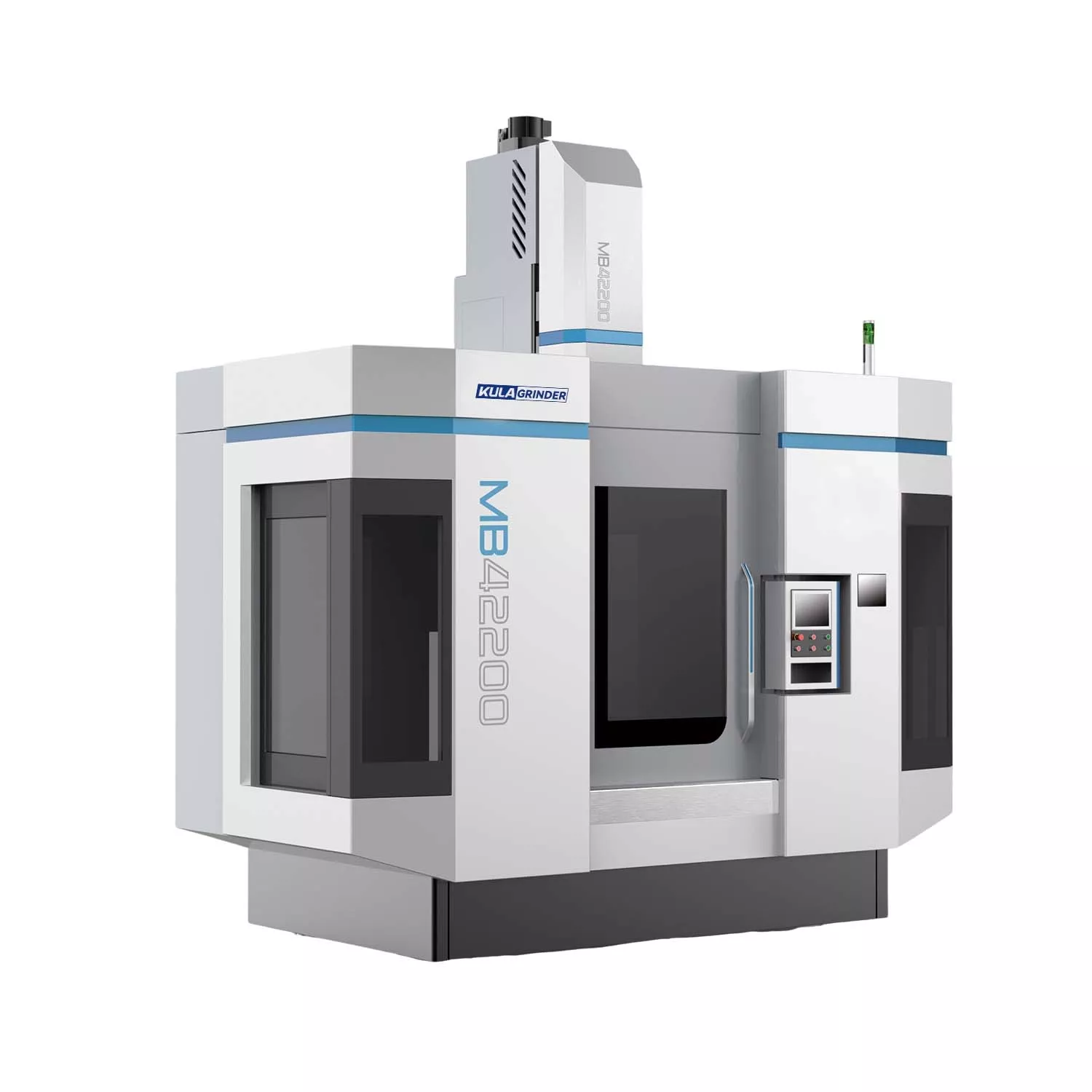
Conclusion
Honing is a practical finishing process, and CNC Honing has become the preferred method for modern manufacturing. Choosing the right CNC Honing Machine can significantly improve bore quality, production efficiency, and long-term performance.
For manufacturers looking for advanced solutions, selecting a high-performance CNC Honing Machine with stable control and customization options is critical.
FAQ
What is the main purpose of honing?
The main purpose of honing is to improve bore finish and internal accuracy. It is often used as a final step after other machining processes. The process removes a small amount of material but can greatly improve part performance. It is especially useful for parts that need smooth motion or good sealing.
What is the difference between honing and grinding?
Grinding is usually used for broader material removal or different surface types, while honing is more focused on internal bore finishing. Honing also creates a crosshatch surface pattern that supports lubrication. In many cases, grinding comes earlier and honing comes later. The two processes often work together rather than compete.
Which industries use CNC honing machines most often?
CNC honing machines are common in automotive, aerospace, hydraulic, medical, and precision engineering industries. These sectors often need stable bore quality and tighter tolerances. Bore condition affects the performance of many critical components. CNC control makes that quality easier to repeat.
What types of honing machines are commonly used?
The most common types are CNC vertical honing machines, CNC horizontal honing machines, and CNC deep hole honing machines. Each is suited to different bore lengths, part sizes, and production needs. Manual machines are still used in some repair or low-volume work. The right choice depends on the specific application.


