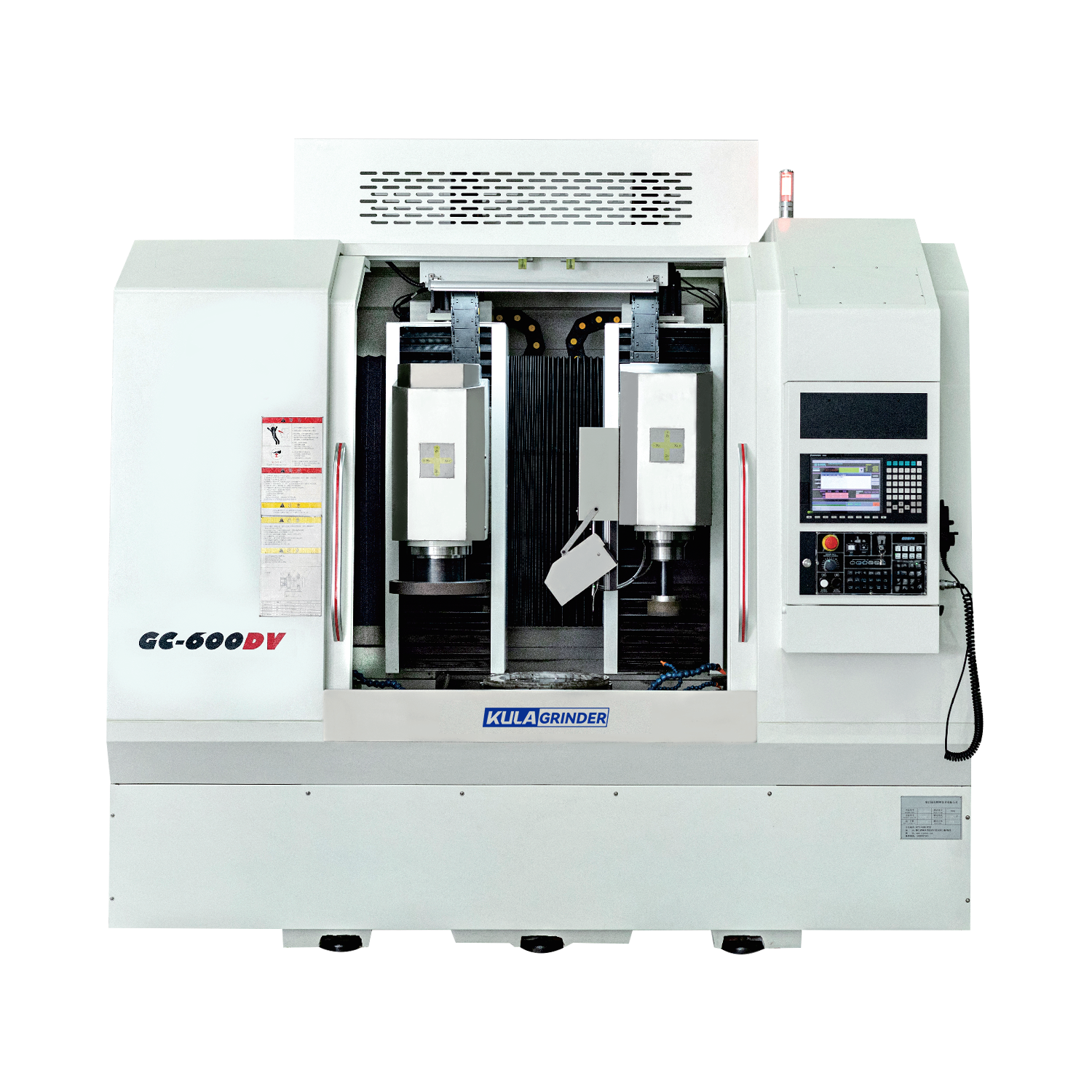
When considering a grinding machine, several factors influence its price. The type of machine significantly impacts costs. Additionally, the features and specifications you choose play a crucial role in determining the final price. Understanding these elements helps you make informed purchasing decisions.
Key Takeaways
Understand the different types of grinding machines. Each type serves specific applications and has unique features that affect pricing.
Consider key factors that influence grinding machine prices. Motor power, build quality, and brand reputation can significantly impact costs.
Be aware of hidden costs associated with grinding machines. Energy consumption, maintenance, and training can add to your total investment.
Types of Grinding Machines
When selecting a grinding machine, understanding the various types available is crucial. Each type serves specific applications and comes with unique features. Here’s a breakdown of the main categories of grinding machines:
Category
Best For
Key Features
Surface Grinding Machines
Metal plates, tooling components
High precision, automated or manual operation
Cylindrical Grinding Machines
Shafts, rods, bearings
Can grind internal and external surfaces, precise finishing
Centerless Grinding Machines
Mass production of cylindrical parts
High-speed operation, excellent for small-diameter components
Tool and Cutter Grinding Machines
Tool manufacturers, machine shops
Increases tool lifespan, enhances precision
Bench and Pedestal Grinders
Hobbyists, small workshops
Compact size, easy to operate
Belt and Disc Grinders
Shaping, smoothing, and removing material
Versatile, easy to use
CNC Grinding Machines
Large-scale manufacturing
Automated operation, high efficiency
Surface Grinding Machines
Surface grinding machines excel in producing flat surfaces. They are ideal for metal plates and tooling components. These machines offer high precision and can operate in both automated and manual modes. Prices for surface grinders typically range from $75,000 to $250,000.
Cylindrical Grinding Machines
Cylindrical grindersare perfect for shafts, rods, and bearings. They can grind both internal and external surfaces, ensuring precise finishing. The price range for cylindrical grinding machines is generally higher, from $120,000 to $400,000.
Centerless Grinding Machines
Centerless grinding machines are designed for high-speed, high-precision grinding of cylindrical workpieces. They support the workpiece between a regulating wheel and a grinding wheel, eliminating the need for fixtures. This type is ideal for mass production of rods, pins, and precision shafts.
Price Range: Centerless grinding machines are often more cost-effective for large runs due to their efficiency.
Tool and Cutter Grinding Machines
These machines are essential for tool manufacturers and machine shops. They enhance the lifespan of tools and improve precision. Their versatility makes them a valuable asset in various industries.
Bench and Pedestal Grinders
Bench and pedestal grinders are compact and user-friendly, making them suitable for hobbyists and small workshops. They are perfect for basic grinding tasks and tool maintenance.
Belt and Disc Grinders
Belt and disc grinders are versatile machines used for shaping, smoothing, and removing material from both metal and wood. Their ease of use makes them popular among DIY enthusiasts and professionals alike.
CNC Grinding Machines
CNC grinding machines are the backbone of large-scale manufacturing. They offer automated operation and high efficiency, making them a preferred choice for industries that require precision and speed.
Understanding these types of grinding machines helps you make informed decisions based on your specific needs and budget. Each type has its unique applications and pricing structures, so consider what best fits your requirements.
Key Factors Influencing Grinding Machine Prices
When you consider purchasing a grinding machine, several key factors will influence its price. Understanding these factors can help you make a more informed decision. Here are the primary elements that affect the cost:
Factor
Description
Motor Power
Higher wattage motors lead to increased prices due to better performance under load.
Build Quality
Premium models with reinforced housings and advanced technologies justify higher price points.
Brand Reputation
Established brands charge more due to reliability and innovation, impacting overall pricing.
Size
Larger machines may have higher costs associated with materials and manufacturing.
Application-Specific Pricing
Prices can vary based on the specific application and features required for different tasks.
Technology Type
Cordless models often cost more due to advanced battery technology and flexibility.
Total Cost of Ownership
Consideration of maintenance and replacement parts adds to the overall expense beyond initial purchase.
Motor Power and Performance
The motor power of a grinding machine significantly impacts its price. Machines with higher wattage motors typically perform better under heavy loads. This performance translates into higher costs, as manufacturers invest in more robust components to ensure durability and efficiency.
Build Quality Matters
The build quality of a grinding machine also plays a crucial role in its pricing. Premium models often feature reinforced housings and precision-engineered components. These enhancements lead to better durability and performance, justifying the higher price tag. Investing in a well-built machine can reduce operator fatigue and ensure consistent performance over time.
Brand Reputation
Brand reputation is another factor that influences pricing. Established brands often charge more due to their reliability and innovation. When you choose a reputable brand, you may pay a premium, but you also gain peace of mind regarding the machine's performance and support.
Size and Capacity
The size of the grinding machine affects its cost as well. Larger machines typically require more materials and complex manufacturing processes, leading to higher prices.
Application-Specific Pricing
Prices can vary based on the specific application and features required for different tasks. For instance, machines designed for specialized tasks may come with additional features that increase their cost. Always assess your specific needs to ensure you choose a machine that fits your budget and requirements.
Technology Type
The type of technology used in the grinding machine can also affect its price. For example, CNC grinders utilize computer-controlled programming to automate the grinding process. This automation enhances efficiency and precision, contributing to a higher price point.
Tip: When evaluating machines, consider how automation can improve your production efficiency.
Total Cost of Ownership
Finally, consider the total cost of ownership. This includes not only the initial purchase price but also maintenance and replacement parts. A machine that appears cheaper upfront may end up costing more in the long run if it requires frequent repairs or replacement components.
By understanding these key factors, you can make a more informed decision when selecting a grinding machine that meets your needs and budget.
Hidden Costs of Grinding Machines
When you purchase a grinding machine, the initial price often represents only a fraction of your total investment. Hidden costs can significantly impact your budget. Here are some key hidden costs to consider:
Energy Consumption: The grinding process is one of the most energy-intensive operations in industries like mining and processing. You must evaluate energy efficiency when selecting a grinding machine. Higher energy consumption leads to increased operational costs over time.
Operational Costs: Many buyers underestimate the ongoing costs associated with CNC grinding machines. Research shows that about 60% of buyers miscalculate these expenses by 35%. This miscalculation can lead to unexpected financial strain. You should factor in costs for tooling, modifications, and maintenance.
Maintenance and Repairs: Regular maintenance is essential for optimal performance. Neglecting this can lead to costly repairs. You should budget for routine servicing to avoid unexpected breakdowns.
Training Costs: If your team lacks experience with a specific grinding machine, you may need to invest in training. This cost can add up, especially if specialized skills are required.
Replacement Parts: Over time, components may wear out and require replacement. These costs can accumulate, especially for machines used in high-volume production.
By understanding these hidden costs, you can make a more informed decision when investing in a grinding machine. Always consider the total cost of ownership to ensure your investment aligns with your long-term goals.
Comparing Different Grinding Machine Models
When you compare different grinding machine models, consider several key factors that influence your decision. Each model offers unique features and price points, making it essential to evaluate them carefully.
Price Range: Grinding machines vary significantly in price. Entry-level models can cost a few thousand dollars, while high-end CNC grinders may exceed $100,000. For example:
Surface grinders typically range from $75,000 to $250,000.
Cylindrical grinders can cost between $120,000 and $400,000.
Accuracy: Different models provide varying levels of precision. Surface grinders usually offer an accuracy of ±0.002mm, while cylindrical grinders achieve higher accuracy at ±0.001mm. This difference can impact your production quality.
Operational Costs: Long-term expenses, including maintenance and energy consumption, should factor into your budget. Many buyers overlook these costs, which can lead to unexpected financial strain.
Versatility: Some models, like the HUVEMA BL 75 S-4, provide cost-effective solutions for small manufacturing businesses. This machine is ready for immediate use and supports various applications, from metalworking to woodworking.
Technological Capabilities: Evaluate the technological limits of each model. Consider how advancements in grinding wheels and cutting speeds can optimize surface roughness while balancing productivity.
By carefully comparing these aspects, you can select a grinding machine that best meets your operational needs and budget.
In summary, several factors influence grinding machine prices. You must consider both upfront and hidden costs when making your decision. To ensure a wise investment, evaluate your specific needs, research various models, and factor in long-term expenses. This approach will help you choose the right grinding machine for your operations.
FAQ
What factors should I consider when buying a grinding machine?
Consider machine type, motor power, build quality, and total cost of ownership, including maintenance and energy consumption.
How can I reduce operational costs for my grinding machine?
You can reduce costs by choosing energy-efficient models, performing regular maintenance, and training operators to minimize errors.
Are there financing options available for purchasing grinding machines?
Yes, many suppliers offer financing options, including leasing and installment plans, to help you manage your budget effectively.