You will notice clear differences between vertical, horizontal, and deep hole CNC honing machines. Vertical models handle large, heavy parts and deliver high precision, often used for engine and hydraulic components. Horizontal machines excel with longer workpieces like tubes. Deep hole CNC honing machines specialize in extremely precise, small-diameter holes.
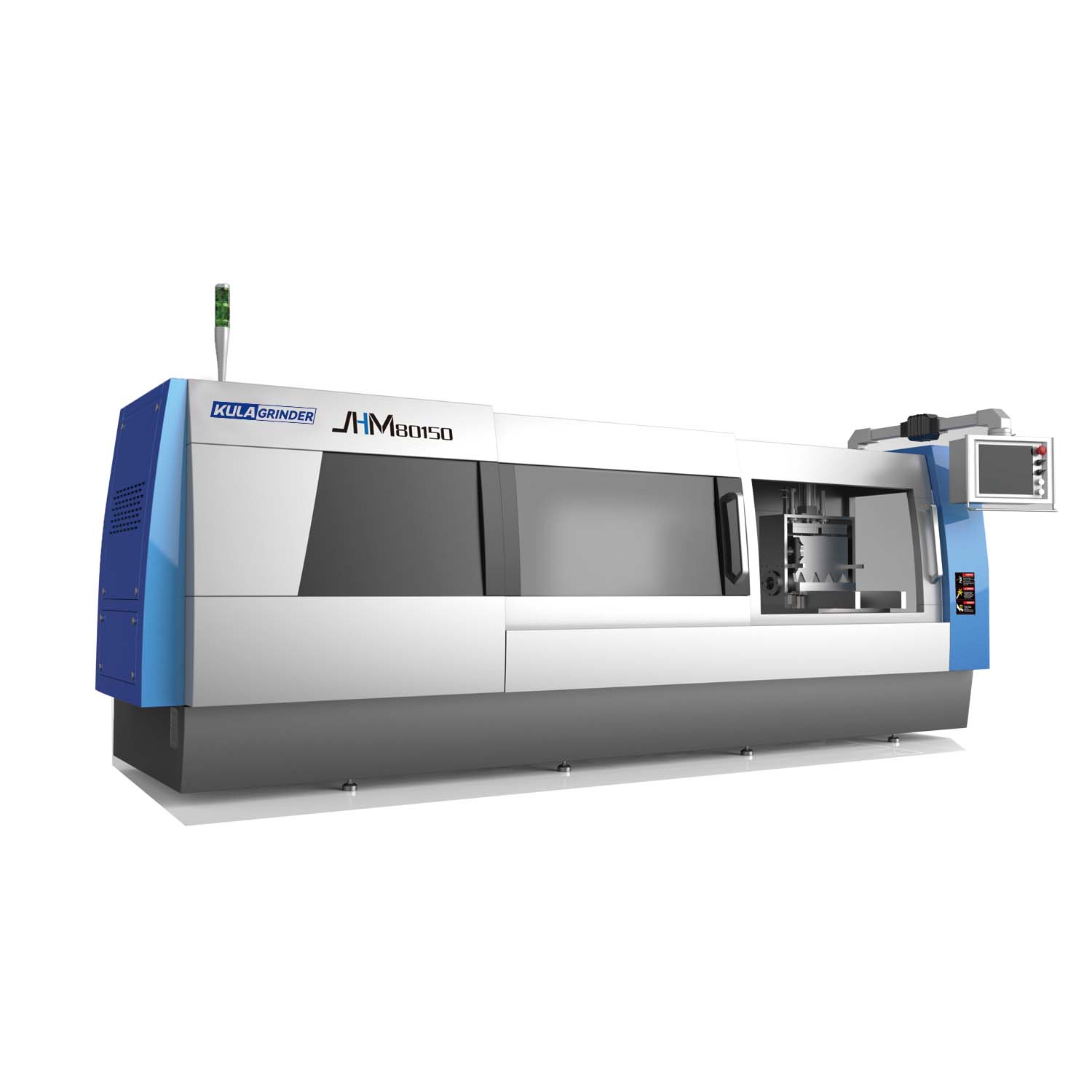
Key Takeaways
Vertical CNC honing machines excel at handling large, heavy parts with high precision, making them ideal for engine blocks and hydraulic components.
Horizontal CNC honing machines work best with long, slender parts like tubes, offering space-saving design and easy loading for smaller workpieces.
Deep hole CNC honing machines provide ultra-precise finishing for long, narrow, or complex holes, using advanced controls and real-time monitoring to ensure top quality.
CNC Honing Machine Overview and Orientation Importance
What Is a CNC Honing Machine
You use a CNC Honing Machine to achieve high-precision finishing of holes in metal parts. This machine automates the honing process, which uses rotating abrasive stones to smooth, refine, and enlarge holes. You can rely on these machines for micron-level accuracy, which is essential for parts like engine blocks, cylinders, and hydraulic components.
CNC honing machines operate with minimal human intervention, making them ideal for high-volume production.
The process controls surface finish, roundness, and dimensional tolerances.
Real-time monitoring and advanced fixtures help you handle delicate or non-ferrous workpieces without deformation.
These machines work with a wide range of materials and complex shapes.
You benefit from high throughput, which supports industries such as automotive, aerospace, and medical.
Recent advancements in automation, control systems, and tooling materials have made CNC honing machines even more efficient. Integration with Industry 4.0 and IoT technologies allows you to monitor operations in real time and perform predictive maintenance. This technology reduces manual labor, increases consistency, and lowers production costs.
Why Machine Orientation Matters
The orientation of your CNC honing machine——vertical or horizontal——directly affects its performance and the types of workpieces you can process. Technical reports show that vertical machines handle larger, heavier parts, such as automotive engine blocks, with high precision and efficiency. You will find horizontal machines better suited for longer, smaller workpieces like tubes and rods, which are common in job shops and repair facilities.
Choosing the right orientation improves operational efficiency, precision, and application range. You can match your machine to your production needs, ensuring the best results for your industry, whether automotive, aerospace, or another field.
Vertical CNC Honing Machine
Working Principle
You operate a vertical CNC honing machine by mounting the workpiece vertically. The honing tool moves along the vertical axis, using abrasive stones to refine the bore. Gravity helps stabilize heavy parts, which improves accuracy and reduces the risk of deformation. The machine controls spindle speed, stroke length, and honing pressure with high precision. You can achieve uniform bore geometry and a smooth surface finish, even on large or complex components.
Key Features
Vertical CNC honing machines stand out for their advanced automation and precision. You benefit from features such as:
High spindle rotation speeds and adjustable stroke lengths.
Automated controls for consistent honing depth and pressure.
Multi-spindle and multi-station configurations for increased productivity.
Robust safety systems, including crash protection and emergency stops.
Compatibility with a wide range of workpiece sizes and materials.
Advantages
You gain several advantages when you choose a vertical CNC honing machine:
You achieve precise dimensional accuracy and superior surface finishes.
The vertical orientation supports heavy or large workpieces, reducing the risk of distortion.
Automation and repeatability improve productivity and lower labor costs.
You can handle a wide range of part sizes and materials.
The machine ensures excellent bore geometry, which enhances sealing, reduces friction, and increases wear resistance.
Tip: Vertical CNC honing machines make it easier to load and unload large or vertically oriented parts, saving you time and effort in high-volume production.
Limitations
While vertical CNC honing machines offer many benefits, you should consider a few limitations:
The machine requires more floor space due to its vertical structure.
You may need specialized lifting equipment for very large or heavy workpieces.
Initial investment costs can be higher compared to smaller or manual honing machines.
Typical Applications
You will find vertical CNC honing machines in industries that demand high precision and consistent quality. Common applications include:
Automotive: Honing engine cylinders for optimal piston performance.
Hydraulic: Processing large hydraulic cylinders to reduce friction and wear.
Aerospace: Finishing components that require tight tolerances and smooth surfaces.
Medical: Manufacturing surgical tools with exact dimensions and flawless finishes.
Industrial: Producing gears, transmission parts, and other components with strict quality requirements.
Vertical CNC honing machines help you achieve reliable results in demanding environments, making them a preferred choice for manufacturers who value accuracy and efficiency.
Horizontal CNC Honing Machine
Working Principle
You operate a horizontal CNC honing machine by placing the workpiece horizontally. The honing tool moves along the horizontal axis, guided by precise controls. The machine uses abrasive stones or diamond-coated sticks to refine the bore. You can adjust the spindle speed and stroke length to match the material and desired finish. The horizontal orientation makes it easy to handle long or tubular parts. You achieve a consistent crosshatch pattern, which improves lubrication and reduces friction inside the bore.
Key Features
Horizontal CNC honing machines offer advanced features that help you achieve high-quality results. You benefit from:
High-precision spindles that deliver consistent honing results.
Customizable honing processes for different materials, such as steel, cast iron, aluminum, and alloys.
User-friendly controls that make programming and monitoring simple.
Real-time feedback from sensors, allowing you to optimize the process.
Automation capabilities that reduce cycle times and boost productivity.
Versatility for a wide range of workpiece sizes and materials.
Easy maintenance and strong after-sales support.
Advantages
You gain several advantages when you use a horizontal CNC honing machine:
You can process long, slender, or tubular workpieces with ease.
The machine delivers high accuracy and repeatability for every component.
Automation and real-time monitoring help you maintain consistent quality.
You can tailor the honing process to different materials and bore sizes.
The horizontal layout saves space and simplifies loading for smaller parts.
Tip: Horizontal CNC honing machines are ideal for job shops and repair facilities that handle a variety of part sizes and shapes.
Limitations
You should consider a few limitations when choosing a horizontal CNC honing machine:
The machine may not support very large or heavy workpieces as easily as vertical models.
You may need to prepare the workpiece to near-final dimensions before honing.
The maximum stroke length can limit the size of parts you can process.
Typical Applications
You will find horizontal CNC honing machines in many industries that require precision and versatility. Typical applications include:
Automotive: Honing connecting rods, gears, and small engine cylinders.
Aerospace: Finishing hydraulic tubes and landing gear components.
Hydraulics: Processing pump sleeves and valve bodies.
Industrial equipment: Refining bores in bushings, bearings, and sleeves.
You can rely on a horizontal CNC honing machine to deliver tight tolerances and smooth finishes for a wide range of parts.
Deep Hole CNC Honing Machine
Working Principle
You use a deep hole CNC honing machine to achieve precise surface finishing in long, narrow bores. The process starts with careful preparation of the workpiece and selection of the right honing head and parameters. The CNC system controls the honing head’s rotation, feed rate, and depth with high accuracy. Advanced sensors and feedback mechanisms monitor the process in real time, ensuring you maintain tight tolerances and consistent surface quality.
The honing head performs compound motions. It rotates at speeds between 20 and 200 meters per minute, while also moving back and forth along the bore with an accuracy of ±0.002 mm. The machine automatically adjusts the pressure on the abrasive stones, adapting to changes in the bore and material. You can hone blind holes, step holes, and even special-shaped holes by using customized honing heads and CNC programs. After honing, you inspect the part to confirm that the bore meets strict dimensional and surface finish requirements.
| Aspect | Description |
| Rotary Motion | Honing head rotates at 20-200 m/min, driving the abrasive stones |
| Reciprocating Motion | Axial stroke with ±0.002 mm accuracy |
| Pressure Control | Real-time, self-adaptive expansion/contraction of honing stones |
| Special Adaptations | Blind holes, step holes, and special shapes handled by custom heads and CNC programming |
| Intelligent Features | Online measurement and data analysis for predictive maintenance and process optimization |
Key Features
You benefit from several advanced design elements when you use a deep hole CNC honing machine:
Honing Head: Designed for deep hole finishing, it can rough, finish, or super-finish bores.
Guide Pads/Strips: These support the honing tool against the hole wall, increasing accuracy and improving surface quality.
Chip Removal Systems: Internal and external chip evacuation methods prevent damage and keep the bore clean.
Coolant Delivery: High-pressure coolant lubricates and cools the cutting edge, extending tool life and aiding chip removal.
Machine Bed Rigidity: Precision-ground beds maintain stability during deep hole machining.
Adaptive Control: Automatic measurement and compensation systems keep the bore centered and within tight tolerances.
Wide Diameter Range: You can process holes from 0.5 mm up to 1500 mm, with lengths up to 2 meters or more.
Intelligent Manufacturing: Integration with IoT and process databases allows for automatic parameter optimization and predictive maintenance.
| Design Element / Technical Data | Description / Function |
| Honing Head | Deep hole finishing, roughing, finishing, or super finishing |
| Guide Pads / Strips | Support and smooth the hole surface |
| Chip Removal Methods | Internal (BTA), external (gun drilling), ejector systems |
| Coolant Delivery Systems | High-pressure lubrication and cooling |
| Machine Bed Rigidity | Maintains stability and precision |
| Adaptive Control & In-Process Measurement | Automatic compensation for hole deviation |
| Tool Types | Gun drills, BTA heads, ejector drills, boring bars, honing heads |
| Length-to-Diameter Ratios | Up to 100:1 or more |
Advantages
You gain several important benefits when you choose a deep hole CNC honing machine:
Achieve micron-level precision and superior surface finishes, even in long and narrow bores.
Real-time monitoring and adaptive control systems ensure consistent quality and reduce the risk of errors.
Intelligent features, such as online measurement and data analysis, help you optimize processes and predict maintenance needs.
The machine handles a wide range of materials, including hardened steel, cast iron, and alloys.
Efficient chip removal and high-pressure coolant systems extend tool life and maintain bore quality.
You can process complex hole shapes, including blind holes and step holes, with high repeatability.
Note: Online measurement and intelligent data analysis can shorten your production cycle by up to 30% and reduce maintenance needs by 25%.
Limitations
You should consider a few limitations when working with deep hole CNC honing machines:
The machine requires a stable and rigid setup to maintain accuracy over long bores.
You need to calibrate guide rails regularly and monitor coolant quality to ensure consistent performance.
Specialized tooling and setup may be necessary for ultra-long or complex holes.
The initial investment can be higher due to advanced automation and intelligent features.
Typical Applications
You will find deep hole CNC honing machines in industries that demand extreme precision and reliability. Common applications include:
| Industry/Application | Typical Components/Parts | Technical Parameters & Achievements | Performance Improvements & Benefits |
| Automotive | Engine cylinders, hydraulic cylinders | Bore diameter tolerance ±2μm to ±3μm; cutting speed ~40 m/min; feed rate ~0.15 mm/stroke | Improved piston-cylinder fit, fuel efficiency +5%, rework rate -12%, assembly accuracy +8% |
| Aerospace | Turbine fuel channels, landing gear valves | Tolerance ±3μm; CBN abrasives; multi-dimensional honing | Flow consistency +15%, fuel combustion efficiency improved, component reliability +20% |
| Medical Devices | Syringe catheters | Manual honing with 600-mesh diamond abrasives; size error ±2μm; surface roughness Ra0.6 | Liquid flow stability +18%, product qualification rate 99.5% |
| Mold Manufacturing | Injection molds | Horizontal honing; cutting speed ~35 m/min; feed rate 0.12 mm/stroke; CBN abrasives | Surface roughness reduced from Ra3.2 to Ra0.6; dimensional stability +20%, service life +30% |
| Large Equipment Maintenance | Wind turbine bearing seats | Portable honing machines for on-site repair | Enables efficient repair of large internal holes, improving maintenance turnaround |
You also see deep hole honing in:
Automotive engine cylinders and sleeves for precise piston ring sealing.
Diesel engine fuel system components for tighter clearances and improved fuel atomization.
Hydraulic cartridge valves in heavy equipment and aerospace systems to reduce sealing area and prevent leaks.
Gun barrels before rifling to ensure uniformity.
Gears, brake drums, compressors, and oil/gas flow meter tubing.
Correction of bore defects such as taper, waviness, and out-of-roundness, improving the quietness and efficiency of mating components.
A deep hole CNC Honing Machine gives you the ability to meet the strictest industry standards for bore accuracy, surface finish, and reliability.
Comparison Table: Vertical vs. Horizontal vs. Deep Hole CNC Honing Machine
When you select a honing solution, you need to compare the main features of each machine type. The table below helps you see the differences at a glance. You can use this information to match your production needs with the right equipment.
| Feature | Vertical Honing Machine | Horizontal Honing Machine | Deep Hole Honing Machine |
| Orientation | Vertical | Horizontal | Horizontal or custom |
| Best For | Large, heavy parts | Long, slender or tubular parts | Extra-long, deep, or complex bores |
| Workpiece Size | Medium to large | Small to medium | Small to very large, deep bores |
| Typical Applications | Engine blocks, hydraulic parts | Tubes, rods, bushings | Hydraulic cylinders, aerospace |
| Precision Level | High | High | Ultra-high |
| Automation | Multi-spindle, multi-station | Flexible, user-friendly | Advanced, intelligent controls |
| Loading/Unloading | Easier for heavy parts | Easier for long parts | Specialized fixtures required |
| Floor Space | Larger footprint | Compact | Varies by model |
| Surface Finish | Excellent | Excellent | Superior, even in deep holes |
Tip: You should review your workpiece size, required precision, and production volume before making a final decision. This table gives you a quick reference to guide your selection process.
How to Choose the Right CNC Honing Machine
Assessing Your Application Needs
Start by understanding your production goals and the types of parts you plan to process. You should analyze the size, material, and complexity of your workpieces. Use modern decision frameworks and digital tools to guide your assessment. Many manufacturers now rely on advanced monitoring systems and artificial intelligence to predict tool life, optimize process parameters, and schedule maintenance. These technologies help you make smarter choices by evaluating surface quality, energy use, and potential defects. Decision support systems can also recommend the best machine configuration for your specific requirements.
Review your part dimensions and tolerances.
Consider the material hardness and required surface finish.
Evaluate production volume and automation needs.
Use AI-driven tools for predictive analysis and process optimization.
Key Selection Criteria
When selecting a honing machine, focus on technical performance and operational flexibility. Look for features that match your application:
Precision and repeatability from CNC controls.
Machine capacity, including aperture size and maximum workpiece weight.
Abrasive selection based on material hardness.
Surface finish quality, measured by roughness parameters like Ra.
Geometric accuracy, such as roundness and cylindricity.
Reliable lubrication and coolant systems.
Quality control tools, including profilometers and bore gauges.
Torque consistency and stable machining parameters.
Cleanliness and preparation of workpieces before honing.
Common Mistakes to Avoid
Avoid errors that can impact your results and increase costs. Many users experience issues from poor fixture alignment, incorrect tool selection, or inconsistent parameters. You can prevent these problems by:
Using precision collets or four-jaw chucks for accurate workholding.
Selecting stable datums and simplifying component shapes.
Designing parts with adequate wall thickness.
Implementing routine inspections with dial indicators or CMMs.
Monitoring spindle bearings and avoiding excessive cutting forces.
Tip: Design for manufacturability and always verify your setup before starting production.
You see clear differences among vertical, horizontal, and deep hole honing machines. Each type fits specific workpiece sizes and precision needs. Review your production goals and part requirements. Choose the CNC grinding machine that matches your workflow. Careful selection helps you achieve better accuracy, efficiency, and long-term value.
FAQ
What maintenance does a CNC honing machine require?
You should check lubrication, inspect abrasive stones, and clean coolant systems regularly. Schedule calibration and software updates to keep your machine running smoothly.
Can you use one honing machine for different materials?
Yes. You can process steel, cast iron, aluminum, and alloys by selecting the right abrasives and adjusting machine parameters for each material.
How do you improve bore accuracy with CNC honing?
Use precision fixturing, monitor tool wear, and set correct honing parameters. Regularly inspect finished parts to ensure you meet tight tolerances.


