Is your CNC ID Grinder holding back precision and profit? Many buyers struggle under rising accuracy demands and tight production schedules. This guide explains how a CNC ID Grinder solves internal diameter challenges. It shows why general grinding fails critical bore tolerance control. In this article, you will learn smart selection strategies. You will understand performance factors, costs, and practical investment decisions.
Key Takeaways
A CNC ID Grinder delivers consistent internal diameter precision across demanding industries, supporting aerospace, hydraulic, and automotive sectors. Buyers should focus on tolerance capability, spindle stability, automation level, and lifecycle cost to reach long-term efficiency and stable ROI. Strategic selection prevents production bottlenecks and strengthens long-term competitiveness.
Proper evaluation involves understanding bore geometry, workpiece hardness, and production volume. A well-matched CNC Internal Grinder reduces downtime, minimizes scrap, and improves finish consistency. Smart selection increases operational reliability and ensures smooth integration into modern automated manufacturing lines.
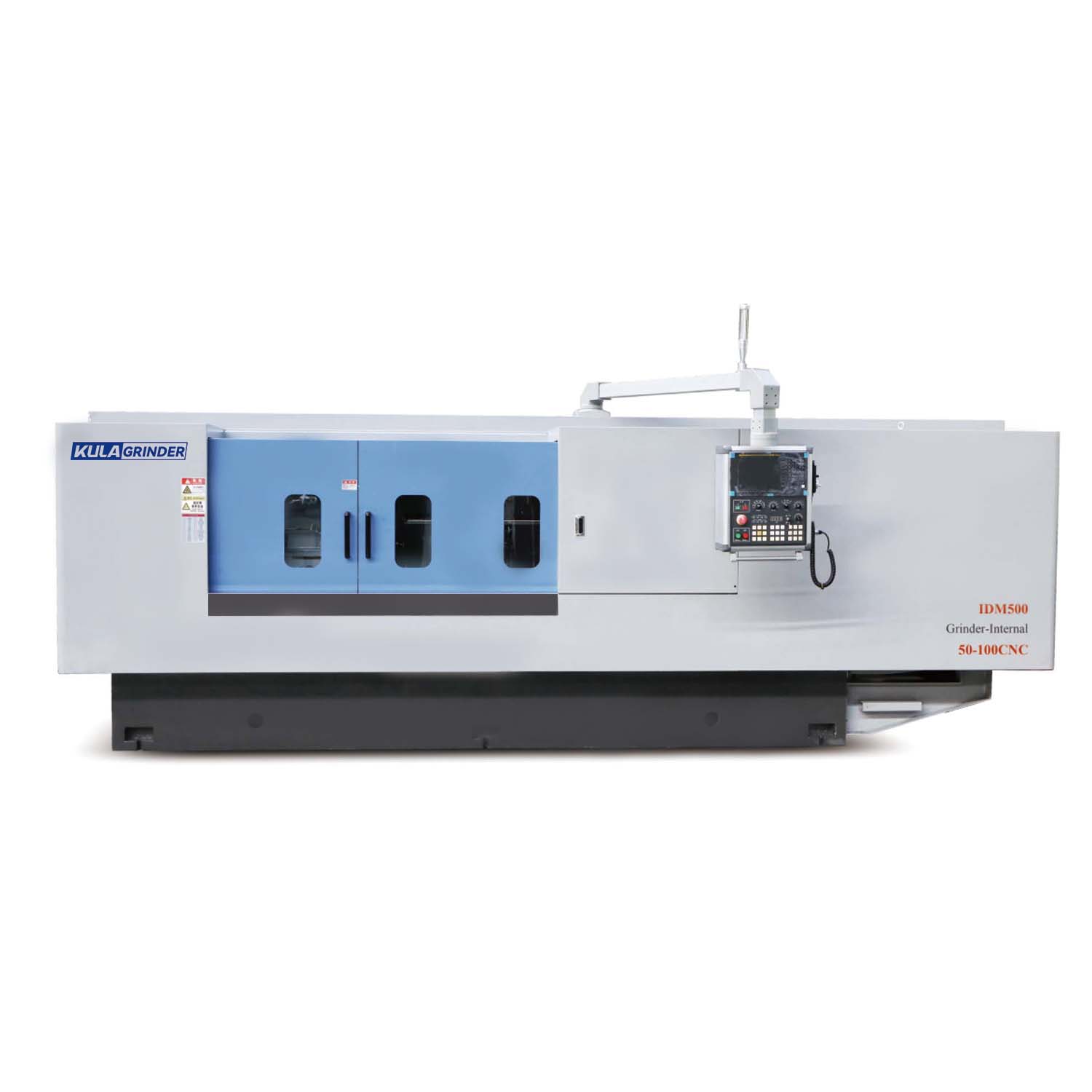
Technology leaders like KULA offer advanced CNC ID Grinder solutions designed for stable bore accuracy and adaptive process control. Their machines support high-speed internal grinding and multi-axis flexibility, making them suitable for both batch and high-volume environments.
Investment success depends on matching machine capability to real production needs. Buyers should prioritize automation readiness, upgrade scalability, and equipment service support. A strategic approach guides optimal decision-making and long-term operational success.
Understanding CNC ID Grinder Buyer Intent and Application Scope
What makes a CNC ID Grinder different from OD or surface grinders
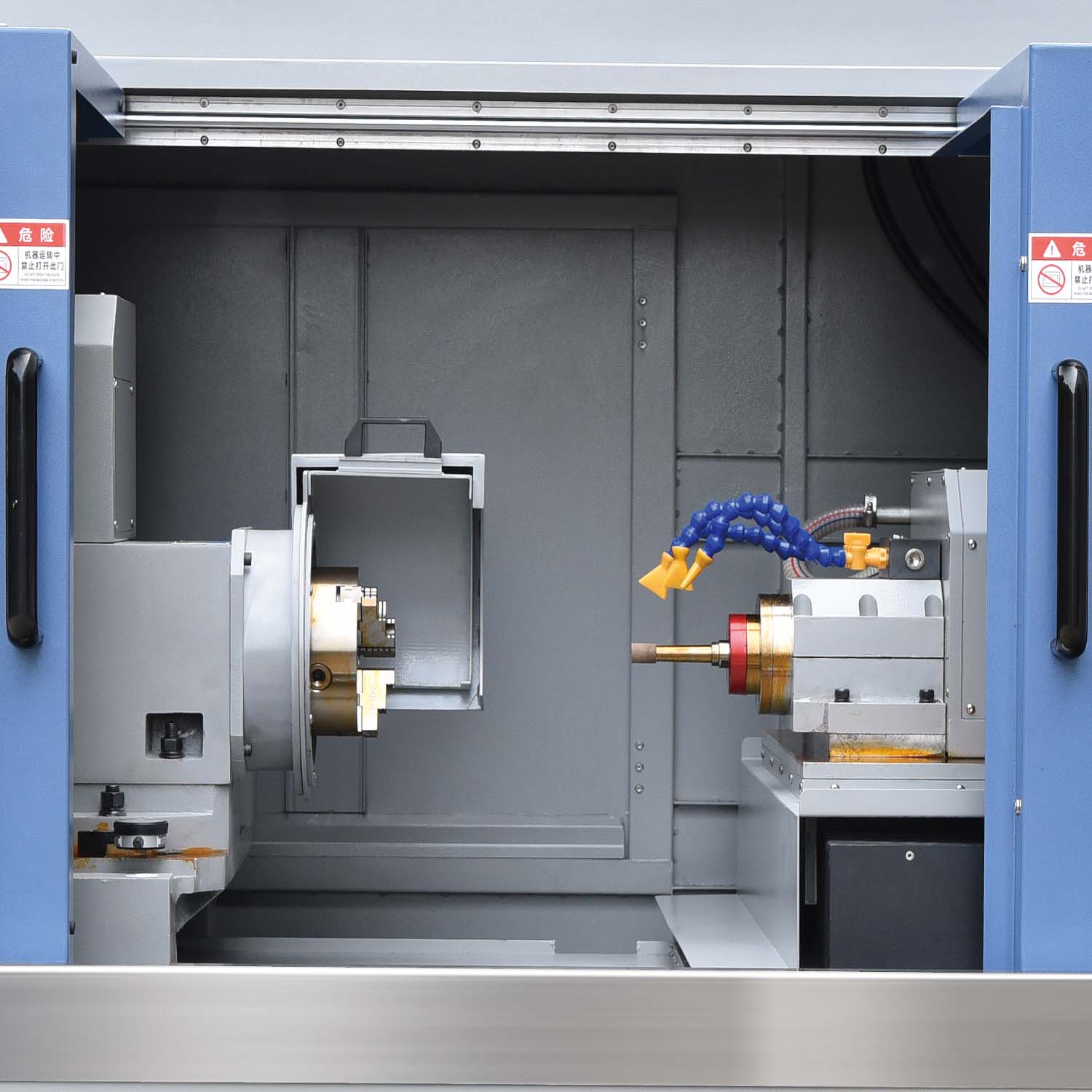
A CNC ID Grinder works inside a bore. It guides a high-speed spindle into narrow spaces. OD grinders shape external surfaces. Surface grinders focus on flat planes.
A CNC Internal Grinder must control vibration precisely. Bore expansion risk stays high. They use thin wheels and controlled feed pressure. It keeps micro tolerances stable even on hard alloys.
Typical industries relying on CNC ID Grinder precision
Industries that demand bore perfection rely on it daily:
Aerospace engine manufacturers
Hydraulic valve producers
Medical implant companies
Automotive transmission suppliers
Energy turbine production
They depend on consistent inner geometry. It ensures sealing, pressure stability, and motion accuracy.
When internal grinding becomes the critical production bottleneck
Internal grinding becomes critical when:
Core Selection Criteria for a CNC ID Grinder
Required bore accuracy and tolerance capability
Accuracy defines success. Tolerance below ±0.002 mm often required. Some applications demand ±0.0005 mm. A stable CNC ID Grinder maintains this level consistently.
Workpiece material compatibility and hardness range
Different materials demand unique setups:
Hardened steels
Titanium alloys
Stainless steel
Non-ferrous metals
A CNC Internal Grinder must support proper wheel type and spindle power.
Spindle speed, rigidity, and vibration control requirements
High spindle rigidity reduces chatter by stabilizing contact between the grinding wheel and the bore surface. Controlled vibration ensures smooth bore finish and prevents surface defects or dimensional inconsistency. Precision sensors maintain machine stability by monitoring dynamic movement and adjusting parameters in real time. This coordinated control improves accuracy, enhances surface quality, and supports reliable high-performance internal grinding operations.
Internal grinding length vs diameter capacity planning
Machine selection must account for:
Coolant system performance for heat and debris management
Effective coolant systems reduce thermal distortions and prevent debris clogging by controlling temperature and flushing away grinding particles continuously. They maintain stable machining conditions and protect critical components from overheating. Proper coolant flow also improves surface finish and extends wheel life. This consistent thermal regulation ensures dimensional stability and supports smooth, uninterrupted operation during high-precision internal grinding processes.
Automation level and CNC control system compatibility
Integration impacts efficiency:
G-code programming
Auto-dressing
Closed-loop feedback
Smart compensation
| Criteria |
Impact on Performance |
Buyer Priority |
| Tolerance Accuracy |
Defines finished bore quality |
High |
| Spindle Stability |
Controls chatter and vibration |
High |
| Coolant Efficiency |
Prevents heat deformation |
Medium |
| Automation Features |
Improves repeatability |
High |
| Machine Compatibility |
Ensures system integration |
Medium |
Performance Features That Define a High-Quality CNC ID Grinder
Precision spindle design and internal wheel stability
High-precision spindles maintain stable pressure throughout the grinding cycle, ensuring smooth tool contact with the internal surface. Internal wheel runout remains minimal, preventing vibration and surface defects. This stability supports perfect roundness control and consistent bore geometry. It also reduces chatter, improves surface finish, and extends tool life in demanding precision applications.
Advanced servo and positioning control systems
Servo motors enable micro-positioning accuracy by responding instantly to programmed movement signals. This precise control reduces dimensional deviation and ensures repeatable positioning across every cycle. It improves alignment stability and prevents variation in bore size. As a result, manufacturers achieve tighter tolerances and consistent quality in high-precision internal grinding operations.
Automatic wheel dressing and compensation functions
Automatic dressing renews abrasive sharpness by reshaping the grinding wheel during operation. Compensation mechanisms adjust dimensions in real time, maintaining stable output quality. This process prevents tool wear issues and minimizes production interruptions. It enhances dimensional accuracy and ensures steady performance across repeated grinding cycles without manual recalibration.
Real-time measurement and dimensional monitoring options
Live sensors prevent oversize errors by continuously monitoring bore dimensions during grinding. They detect deviations instantly and trigger corrective adjustments. This ensures machining consistency and reduces the risk of rejected components. Real-time feedback strengthens process control, improves product reliability, and supports high-quality output in precision manufacturing environments.
| Feature |
Standard Grinder |
CNC ID Grinder |
KULA CNC ID Grinder |
| Servo Precision |
Basic |
Advanced |
Ultra High |
| Real-time Monitoring |
None |
Partial |
Full System |
| Auto Compensation |
Limited |
Yes |
Optimized Smart System |
| Surface Consistency |
Moderate |
High |
Superior |
CNC ID Grinder Comparison: Manual vs NC vs CNC Systems
| Feature |
Manual |
NC |
CNC |
| Accuracy |
Low |
Medium |
High |
| Automation |
None |
Limited |
Full |
| Repeatability |
Inconsistent |
Moderate |
Stable |
| Data integration |
No |
Partial |
Yes |
Why CNC ID Grinder automation improves consistency
It removes operator variability and ensures each process follows programmed accuracy standards. It delivers precision every cycle by controlling feed rate, spindle speed, and grinding pressure with consistent parameters. This reduces human error and maintains stable tolerances across long production runs. As a result, product quality improves, and process reliability stays consistently high.
Productivity and accuracy differences across control types
CNC systems outperform manual and NC in repeatability by using automated programming, real-time feedback, and closed-loop control systems. Every cycle follows identical machining paths and parameters, reducing deviation across batches. This consistency improves part uniformity, lowers rejection rates, and ensures reliable results even during high-volume or long-duration production environments.
Cost Evaluation and ROI Planning for CNC ID Grinder Purchase
Initial machine cost vs operational efficiency gains
Though initial investment is high, efficiency gains reduce operational costs quickly by improving cycle speed, lowering scrap rates, and minimizing human error. Advanced automation shortens setup time and increases output consistency. Over time, energy savings and reduced rework further balance capital expense, making the CNC ID Grinder a financially sound decision for precision manufacturing environments.
Maintenance, spare parts, and lifecycle cost planning
Planning ensures stable uptime and extended machine life through scheduled maintenance, timely component replacement, and proper operating procedures. Structured service strategies help prevent unexpected breakdowns and performance decline. By monitoring spindle condition, coolant systems, and control accuracy, manufacturers protect machine efficiency and avoid costly interruptions that could impact production deadlines and quality standards.
Calculating return on investment for high-precision production lines
ROI metrics often show 30–45% cost savings annually as productivity rises and waste decreases. These savings come from improved precision, lower rejection rates, and reduced labor dependency. Faster cycle times allow higher output without additional manpower, helping companies recover investment faster while strengthening long-term profitability and competitive advantage.
| Factor |
Traditional Grinder |
CNC ID Grinder |
KULA CNC ID Grinder |
| Cycle Time |
Slow |
Fast |
Ultra Efficient |
| Scrap Rate |
High |
Low |
Minimal |
| Maintenance Cost |
High |
Moderate |
Optimized |
| ROI Timeframe |
36 months |
24 months |
18 months |
Include long-term output quality when calculating CNC investment value.
Common Buyer Mistakes When Choosing a CNC ID Grinder
Overlooking bore geometry complexity
Complex shapes demand specialized internal grinding tools to achieve precise bore geometry and consistent surface finish. Standard tools often fail to maintain accuracy on tapered, stepped, or irregular profiles. Using advanced internal tooling ensures stable contact, controlled material removal, and reduced vibration. This improves dimensional integrity and supports reliable performance in high-precision applications.
Underestimating future production scaling needs
Production growth needs flexible systems like KULA CNC ID Grinder solutions to support increasing demand and evolving machining requirements. These systems allow scalable upgrades, adaptive automation, and smooth integration into advanced manufacturing lines. Their design ensures consistent precision, efficient workflow, and future-ready capabilities, helping businesses expand capacity while maintaining high quality standards.
How to Match the Right CNC ID Grinder to Your Production Needs
Low-volume precision machining scenarios
Compact CNC Internal Grinder models fit small batch production by offering precise internal bore control without unnecessary complexity. They help workshops achieve high accuracy while keeping investment costs manageable. These machines balance performance and efficiency, allowing operators to handle diverse part geometries, reduce setup time, and maintain consistent surface quality across limited or specialized manufacturing runs.
High-speed mass production applications
KULA high-speed systems ensure consistent output efficiency by combining advanced spindle stability and intelligent automation control. Their technology supports rapid internal grinding cycles while maintaining strict tolerance standards. This results in smoother workflow, reduced production delays, and dependable quality. KULA solutions also improve machine longevity and help production teams meet tight deadlines confidently.
Mixed-batch flexible manufacturing environments
Programmable setups reduce downtime and support customization by allowing operators to quickly adjust parameters for different workpieces. These intelligent configurations simplify batch transitions and minimize manual intervention. They improve production flexibility and ensure consistent performance during varying job requirements. This approach increases overall productivity and helps manufacturers adapt efficiently to changing customer demands.
Conclusion
Selecting the right CNC ID Grinder defines precision success. It improves bore accuracy and reduces waste. It stabilizes workflow and supports consistent output. KULA delivers advanced CNC Internal Grinder solutions. They feature strong structural rigidity and smart automation design. Their systems enhance efficiency and ensure stable precision under demanding production conditions.
KULA products provide scalable control and reliable performance. They support both high-volume and flexible manufacturing environments. Their technical service approach strengthens customer confidence and long-term operational value. Buyers should prioritize performance balance and automation readiness. Supplier expertise ensures smoother integration and sustainable return. A CNC ID Grinder backed by KULA delivers measurable production advantages.
FAQ
Q: What is a CNC ID Grinder?
A: A CNC ID Grinder is a CNC Internal Grinder used for precise internal bore finishing and tight tolerance control.
Q: Why choose a CNC ID Grinder over standard grinders?
A: A CNC ID Grinder offers higher accuracy, better automation, and stable internal geometry control.
Q: How does a CNC Internal Grinder improve production?
A: A CNC Internal Grinder reduces scrap, improves repeatability, and stabilizes workflow efficiency.
Q: What affects CNC ID Grinder pricing?
A: CNC ID Grinder cost depends on precision level, automation features, and control system type.
Q: How to troubleshoot vibration in CNC ID Grinder?
A: Check spindle rigidity, wheel balance, and CNC Internal Grinder alignment consistency.


