Cylindrical grinding machines are key equipment in precision machining, and their machining accuracy and stability directly affect product quality and production costs. Scientific maintenance can significantly improve equipment efficiency and reduce downtime. This article details daily, periodic, and specialized maintenance methods to help you develop a practical maintenance plan and achieve efficient and stable production.
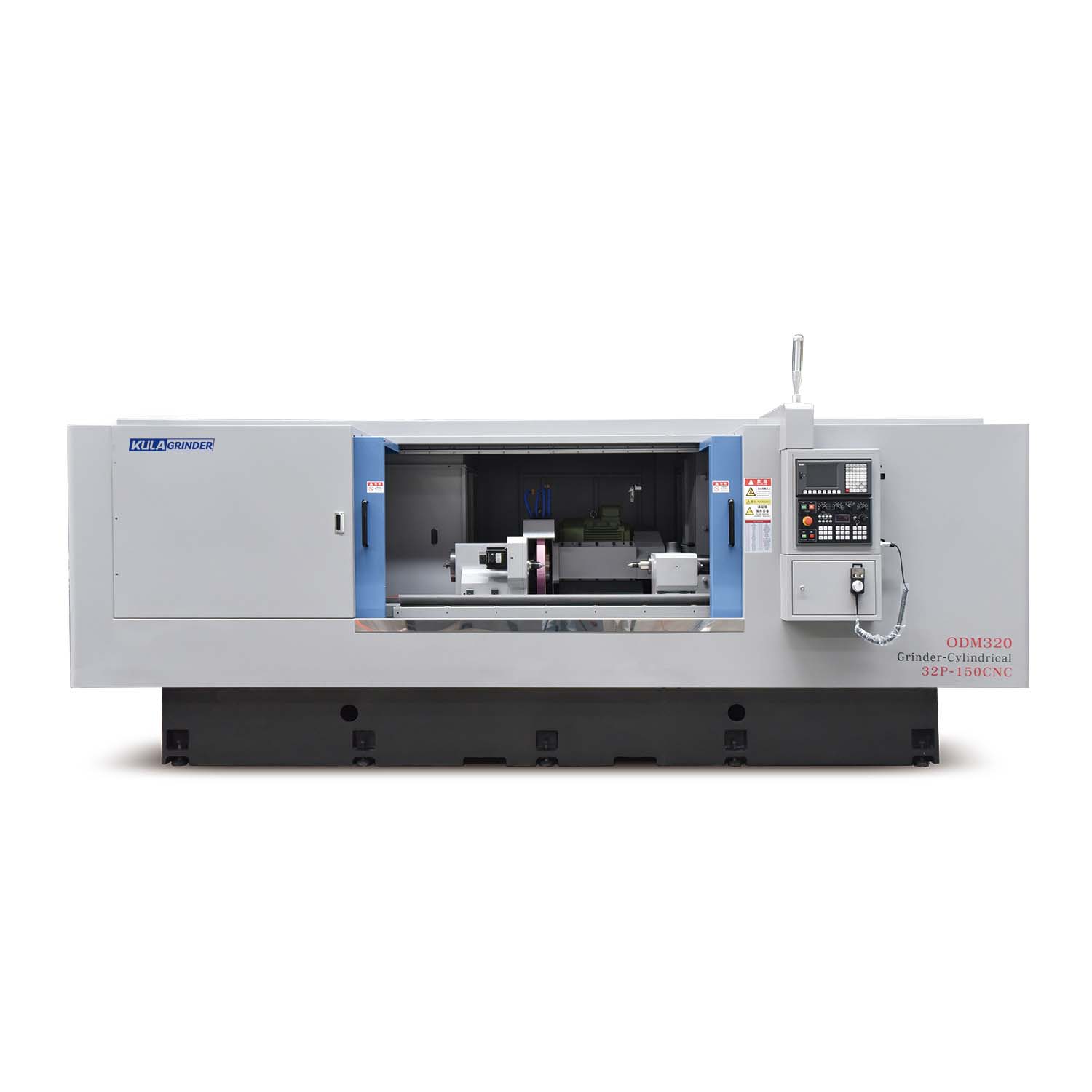
Daily Maintenance Basic Operations
Daily maintenance is the first step in the long-term operation of cylindrical grinding machines and is mainly the responsibility of the operator. It must be implemented before, during, and after each shift to form a habitual process.
· Pre-shift Preparation Checks: Before starting work, check the hydraulic oil and coolant levels to ensure they are within the graduation marks; manually lubricate all guideways, lead screws, and other parts using the manufacturer-recommended grease (such as lithium-based grease No. 2). Inspect the grinding wheel for cracks or excessive wear, and run it unloaded for 5-10 minutes to confirm there are no abnormal noises or vibrations.
· In-shift Monitoring Standards: Strictly adhere to load parameters during machining to avoid overspeeding or overloading. Clean the worktable and guideways of iron filings and abrasives in real time to prevent embedded particles from causing scratches. Keep the coolant clean and sufficient, with a concentration controlled at 5%-10% and a pH value of 8.5-9.5, to ensure timely dissipation of cutting heat and improve the surface roughness Ra value of the workpiece.
· Thorough cleaning after shift: After shutdown, use a soft brush or compressed air (pressure <0.4MPa) to remove abrasives, oil stains, and worktable residue from inside and outside the machine tool. Wipe the tailstock, center, and spindle taper hole, move all components to the neutral position, disconnect the power and lock the cabinet door, and keep the equipment clean and dry.
These simple steps can prevent 80% of common failures, such as guideway wear or accuracy drift. Daily adherence can reduce maintenance frequency by more than 30%.
Key Steps for Regular Maintenance
Regular maintenance should be performed weekly/monthly/quarterly, focusing on systemic checks and using professional tools to maintain core components to ensure long-term stable machine tool accuracy.
· The hydraulic lubrication system is crucial. Check oil turbidity weekly and change the hydraulic oil monthly (ISO VG46 anti-wear hydraulic oil is recommended). Clean the oil tank and filter to prevent oil circuit blockage that could lead to crawling or unstable pressure. Replenish lubrication points weekly and record oil usage changes.
· Precision calibration is a mandatory monthly inspection. Use a level to check the bed's levelness (error <0.02/1000mm), and a dial indicator to measure spindle runout (<0.005mm) and guideway straightness. Adjust the leadscrew backlash if it exceeds 0.01mm, and replace bearings promptly if the temperature exceeds 70℃. For the electrical components, clean and tighten relays and PLC modules monthly, and test grounding resistance to <4Ω.
· Verify grinding wheel balancing weekly, using a dynamic balancing machine to control the imbalance to <0.5g·mm/kg, and dress the grinding wheel to maintain its sharpness. Change the cooling fluid monthly, and clean the pump and piping to prevent blockages that could affect heat dissipation.
Specialized Maintenance and In-Depth Optimization
After 1-2 years of operation or accumulating over 5000 hours of work, a specialized overhaul is performed to restore the machine tool to its peak performance. This is conducted by a professional team.
· The spindle system is disassembled, inspected, and the bearings are cleaned. Dynamic balancing is performed to ensure speed fluctuations are <1%.
· When guide rail wear exceeds 0.02mm, scraping or coating repair is carried out to restore guiding accuracy.
· CNC cylindrical grinding machines require CNC software upgrades and replacement of aging servo motors to improve response speed and anti-interference capabilities.
This specialized maintenance also includes a comprehensive inspection of the transmission chain, belt/gear replacement and clearance adjustment, and replacement of protective cover seals. After completion, a 72-hour full-load test run is conducted to verify roundness <0.003mm and straightness <0.01/300mm.
Maintenance Precautions and Common Problem Solutions
A maintenance form is established to record the time of each operation, problem, and responsible person for easy traceability. Operators are trained on safety procedures, such as wearing protective equipment and avoiding direct exposure to metal shavings on the guide rails. Original parts are prioritized, and common wear parts such as filters and seals are kept in stock.
Common Issues:
· Excessive Vibration? Check grinding wheel balance and foundation bolts.
· Decreased Accuracy? Verify coolant and lubrication.
· Abnormal Noise? Tighten belts and lubricate bearings.
High failure rates often stem from neglecting daily cleaning; adhering to a schedule can extend lifespan by 50%.
Maintenance Benefits and Implementation Recommendations
Scientific maintenance is not only about cost control but also about ensuring production capacity. A well-maintained cylindrical grinding machine can increase processing efficiency by 20%, reduce the scrap rate to below 1%, and support mass precision production of shaft parts, such as automotive crankshafts and bearing rings.
Implementation should be hierarchical: daily maintenance by operators, regular maintenance by technicians, and specialized maintenance by the chief engineer. Combine with an IoT monitoring system to achieve remote oil level/temperature warnings. Companies can set KPIs to encourage company-wide participation.
In short, cylindrical grinding machine maintenance requires meticulous daily work, rigorous regular maintenance, and thorough specialized maintenance. Through standardized processes and data-driven management, the grinder will become a reliable "production tool," helping companies reduce costs, increase efficiency, and achieve quality leadership.


