You need to maximize throughput with your CNC Vertical Grinder. Implement strategies to reduce cycle times, always maintaining precision in high-volume grinding. Minimize downtime effectively and ensure consistent quality output. These critical objectives drive your production success, optimizing your operations.
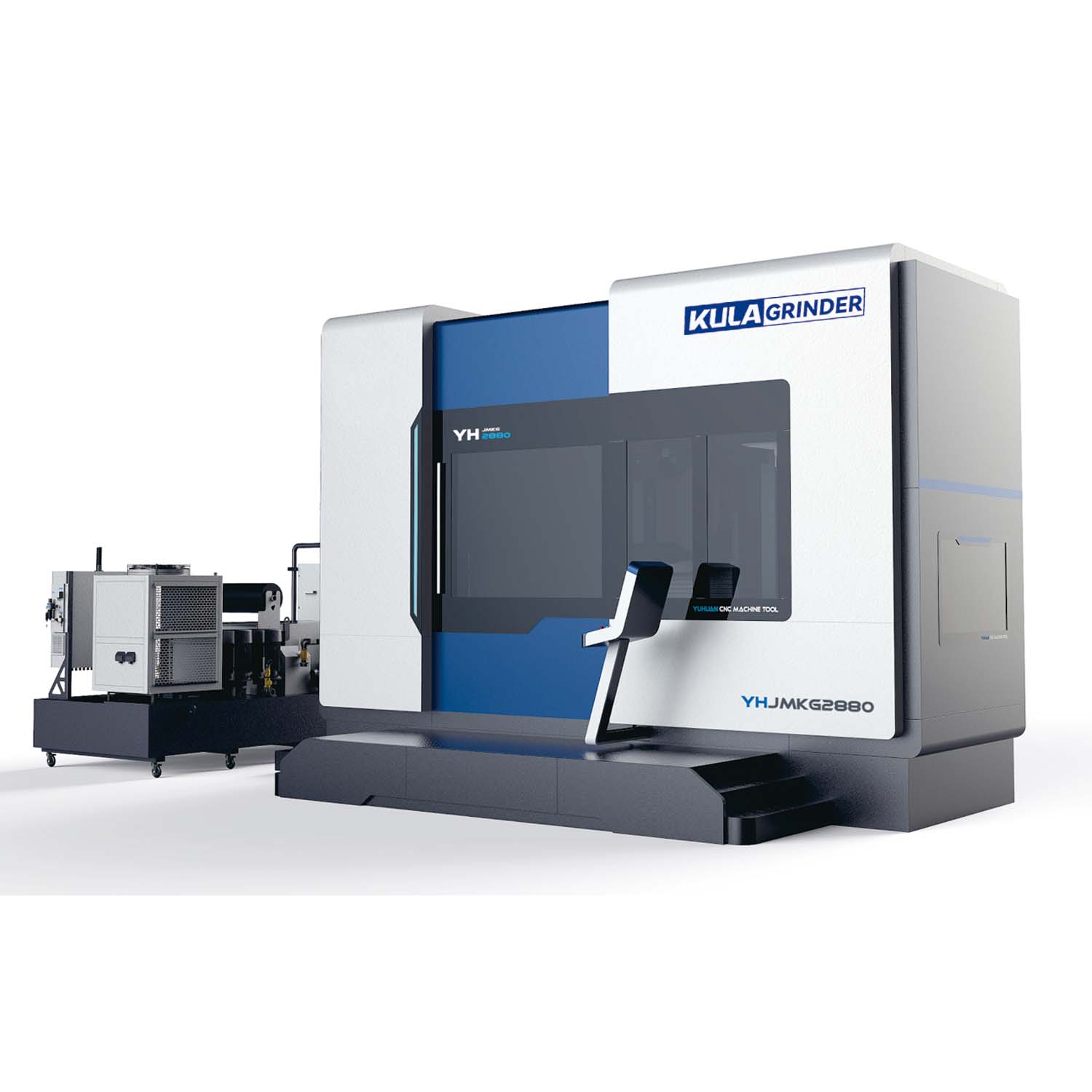
Key Takeaways
Optimize your CNC Vertical Grinder by setting clear goals for how many parts you make and how fast you make them.
Use smart setup and programming, like choosing the right grinding wheels and automating tasks, to make parts faster and better.
Keep your machine running smoothly with regular checks and by using technology to find problems early, which helps avoid unexpected stops.
Understanding High-Volume Demands for CNC Vertical Grinder Operations
High-volume production places unique demands on your manufacturing processes. You must understand these requirements to effectively optimize your operations. This involves setting clear performance benchmarks and recognizing potential obstacles.
Defining Throughput and Cycle Time Targets for CNC Vertical Grinders
You must establish precise throughput and cycle time targets for your CNC Vertical Grinder operations. Throughput measures the number of finished parts you produce within a specific timeframe, such as per hour or per shift. Setting ambitious yet achievable throughput goals drives your production strategy. Cycle time refers to the total time it takes to complete one part, from raw material to finished product. You need to reduce cycle times without compromising quality. These defined targets provide a clear roadmap for your optimization efforts. They allow you to measure progress and identify areas needing improvement.
Identifying Common Bottlenecks in High-Volume CNC Vertical Grinding
You will encounter various bottlenecks in high-volume CNC vertical grinding. Recognizing these issues early helps you address them proactively. Common bottlenecks include excessive setup times between different jobs. Slow material loading and unloading processes also impede continuous flow. Frequent tool changes or premature tool wear can interrupt production significantly. Inefficient programming or suboptimal grinding parameters often lead to longer cycle times than necessary. You might also find that manual inspection steps create delays. Identifying these specific points of friction allows you to implement targeted solutions.
Advanced Setup and Programming for CNC Vertical Grinder Efficiency
You can significantly boost your production efficiency through advanced setup and programming techniques. These methods directly impact your machine's performance and output. Focus on optimizing every aspect of your grinding process.
Optimizing Grinding Parameters for Faster Material Removal
You must fine-tune your grinding parameters for maximum material removal rates. Adjust wheel speed, feed rate, and depth of cut to suit the material and desired finish. Experiment with different settings to find the sweet spot where you achieve speed without sacrificing quality. High removal rates directly translate to shorter cycle times. Always monitor wheel wear and surface integrity during this optimization.
Generating Efficient Tool Paths to Minimize Non-Cutting Time
Efficient tool path generation is crucial for reducing non-cutting time. You should program your CNC Vertical Grinder to minimize air cuts and rapid traverses. Utilize CAD/CAM software to simulate paths and identify unnecessary movements. Optimize entry and exit points to reduce idle time. A well-planned tool path ensures the grinding wheel spends more time actively removing material.
Leveraging Multi-Tasking and Simultaneous Operations on CNC Vertical Grinders
Maximize your machine's capabilities by leveraging multi-tasking and simultaneous operations. Some advanced CNC Vertical Grinders allow you to perform multiple grinding operations concurrently. You can grind different features on a single workpiece at the same time. This approach drastically cuts down overall cycle time per part. Explore opportunities to combine processes for greater efficiency.
Integrating Automated Workpiece Handling for Continuous Production
Integrate automated workpiece handling to achieve continuous, uninterrupted production. Robotic loaders, pallet changers, or conveyor systems can automatically load and unload parts. This eliminates manual intervention during production runs. Automated handling reduces idle time between parts and allows for lights-out manufacturing. You ensure a steady flow of workpieces to your machine.
Tooling and Abrasive Selection for CNC Vertical Grinder Throughput
You must make smart choices about your grinding tools and abrasives. These decisions directly impact your production speed and part quality. Optimize your selection for maximum efficiency.
Choosing the Right Grinding Wheels for High Removal Rates
You need to select grinding wheels that deliver high material removal rates. Consider the abrasive type, bond, grit size, and wheel structure. For hard materials, you often choose superabrasives like Cubic Boron Nitride (CBN) or diamond. These wheels maintain their cutting ability longer. A coarser grit size removes more material per pass. A porous wheel structure helps with chip clearance and coolant flow. Match the wheel specifications to your workpiece material and desired finish. This ensures you achieve faster grinding cycles.
Implementing Advanced Dressing Techniques for Extended Wheel Life
You can significantly extend your grinding wheel's life with advanced dressing techniques. Dressing reshapes the wheel and exposes fresh abrasive grains. This maintains consistent cutting performance. Rotary dressers offer precise and repeatable dressing cycles. In-process dressing allows you to refresh the wheel without stopping production. These methods prevent wheel loading and glazing. They ensure your wheel operates at peak efficiency for longer periods. This reduces downtime for wheel changes.
Predictive Tool Monitoring and Automated Tool Management
You can prevent unexpected failures and optimize tool usage through predictive monitoring. Technologies like Synchronous Envelope Vibration Analysis (SEVA) use Hilbert Transform to detect mechanical defects in high-speed spindles. This covers issues like imbalance or bearing faults. You can integrate vibration, temperature, and speed sensors into your CNC Vertical Grinder. These sensors gather crucial data for fault diagnosis. Real-time monitoring and diagnosis are possible, often utilizing remote data centers.
Advanced systems use Convolutional Neural Networks (CNNs) for tool condition monitoring. These networks analyze acoustic signals or other sensor data. This helps predict tool wear before it impacts production. Improved sensors are vital for real-time adaptive control. Artificial Intelligence (AI) makes machines more intelligent and adaptable. Hybrid technologies integrate these solutions for comprehensive monitoring. Automated tool management systems then use this data. They optimize tool changes and ensure continuous operation.
Process Control and Quality Assurance for High-Volume CNC Vertical Grinding
You must maintain strict control over your grinding process. This ensures consistent quality in high-volume production. Implement robust systems to monitor and adjust your operations. This approach guarantees precision and reliability.
Implementing In-Process Gaging and Real-Time Feedback Loops
You can integrate in-process gaging directly into your grinding operations. This system measures part dimensions as you grind. It provides immediate data. You then use real-time feedback loops. These loops automatically adjust machine parameters. This corrects deviations instantly. You prevent out-of-tolerance parts. This method ensures every component meets specifications. It reduces scrap and rework. This continuous monitoring is crucial for your high-volume output.
Utilizing Statistical Process Control (SPC) to Prevent Defects
You should employ Statistical Process Control (SPC). SPC monitors your grinding process data. It identifies trends and variations. You can spot potential problems before they create defects. SPC charts show you when your process drifts. This allows you to take corrective action early. You maintain process stability. This prevents costly errors in high-volume runs. You ensure consistent quality across all parts produced by your CNC Vertical Grinder.
Optimizing Coolant Management for Process Stability and Finish
You must optimize your coolant management. Coolant plays a vital role in grinding. It cools the workpiece and grinding wheel. It also flushes away chips. Proper coolant flow prevents thermal damage. It improves surface finish. You ensure consistent lubrication. This extends wheel life. You maintain process stability. This leads to higher quality parts. You also reduce the need for post-grinding cleaning.
Maintenance Strategies for Maximized CNC Vertical Grinder Uptime
You must prioritize robust maintenance strategies. These actions ensure your machines run consistently. They maximize uptime and production output. Proactive measures prevent costly breakdowns.
Implementing Predictive Maintenance for Early Fault Detection
You can use predictive maintenance to find issues early. Install advanced sensors on key components. These sensors continuously monitor vibration, temperature, and current draw. Sophisticated data analysis identifies subtle abnormal patterns. You receive immediate alerts before a critical failure occurs. This allows you to schedule necessary repairs during planned downtime. You effectively avoid unexpected production interruptions. This proactive approach significantly saves both time and operational costs.
Establishing Proactive Preventative Maintenance Schedules
You need to establish and strictly follow regular preventative maintenance schedules. Adhere to manufacturer guidelines for your specific equipment. Schedule routine inspections, precise lubrication, and thorough cleaning. Replace worn parts proactively, well before they have a chance to break. Regularly clean filters and meticulously check all fluid levels. These consistent, scheduled tasks keep your machinery in optimal working condition. They prevent minor issues from escalating into major, costly problems. You ensure continuous, reliable operation.
Managing Spare Parts Inventory for Critical Components
You must manage your spare parts inventory effectively. Identify all critical components that are prone to wear or potential failure. Keep these essential replacement parts readily in stock. This includes crucial items like bearings, seals, specific electrical components, and specialized grinding wheel adapters. Having these parts immediately available drastically reduces repair time. You avoid lengthy delays waiting for shipments. This strategic inventory management minimizes downtime for your entire production line.
Leveraging Automation and Digitalization in CNC Vertical Grinder Production
You can transform your manufacturing operations. Embrace automation and digitalization. These strategies enhance efficiency and precision. They drive your production to new levels.
Integrating with Manufacturing Execution Systems (MES) for Data Analysis
You integrate your operations with Manufacturing Execution Systems (MES). This system collects real-time data from your production floor. You gain comprehensive insights into every process step. MES tracks machine performance, material flow, and quality metrics. You analyze this data. This helps you identify inefficiencies. You make informed decisions. This optimizes your production schedules. You improve resource allocation.
Utilizing Digital Twin Technology for Process Simulation and Optimization
You can use digital twin technology. This creates a virtual replica of your physical grinding process. It offers real-time monitoring of machine performance. You gain insights into machine health. This technology enables predictive maintenance. You reduce downtime by forecasting equipment failures. Its simulation capabilities are powerful. You can test and optimize machines in a virtual environment. This happens before real-world deployment. You achieve increased efficiency. This maximizes machine productivity and reduces waste. You also build and optimize processes. This includes productivity, rhythm, and labor intensity.
Enhancing Operator Training for Efficient CNC Vertical Grinder Operation
You must invest in comprehensive operator training. Well-trained operators maximize the benefits of advanced technology. They understand complex programming. They troubleshoot minor issues quickly. You empower your team. This ensures they efficiently operate automated systems. They leverage digital tools effectively. This leads to fewer errors. It boosts overall productivity.
You achieve peak efficiency and throughput with your CNC Vertical Grinder. Integrated strategies significantly impact your production goals. They ensure consistent quality and reduced downtime. You drive profitability through optimized high-volume grinding. These combined efforts guarantee your manufacturing success.
FAQ
How do you define throughput for a CNC vertical grinder?
You define throughput as the number of finished parts your grinder produces within a specific timeframe. This could be per hour or per shift.
What are common bottlenecks in high-volume grinding?
Common bottlenecks include long setup times, slow material handling, frequent tool changes, and inefficient programming. These issues slow down your production.
Why is in-process gaging important for quality?
In-process gaging measures part dimensions during grinding. It provides real-time feedback. This allows you to make immediate adjustments. You prevent defects and ensure consistent quality.


