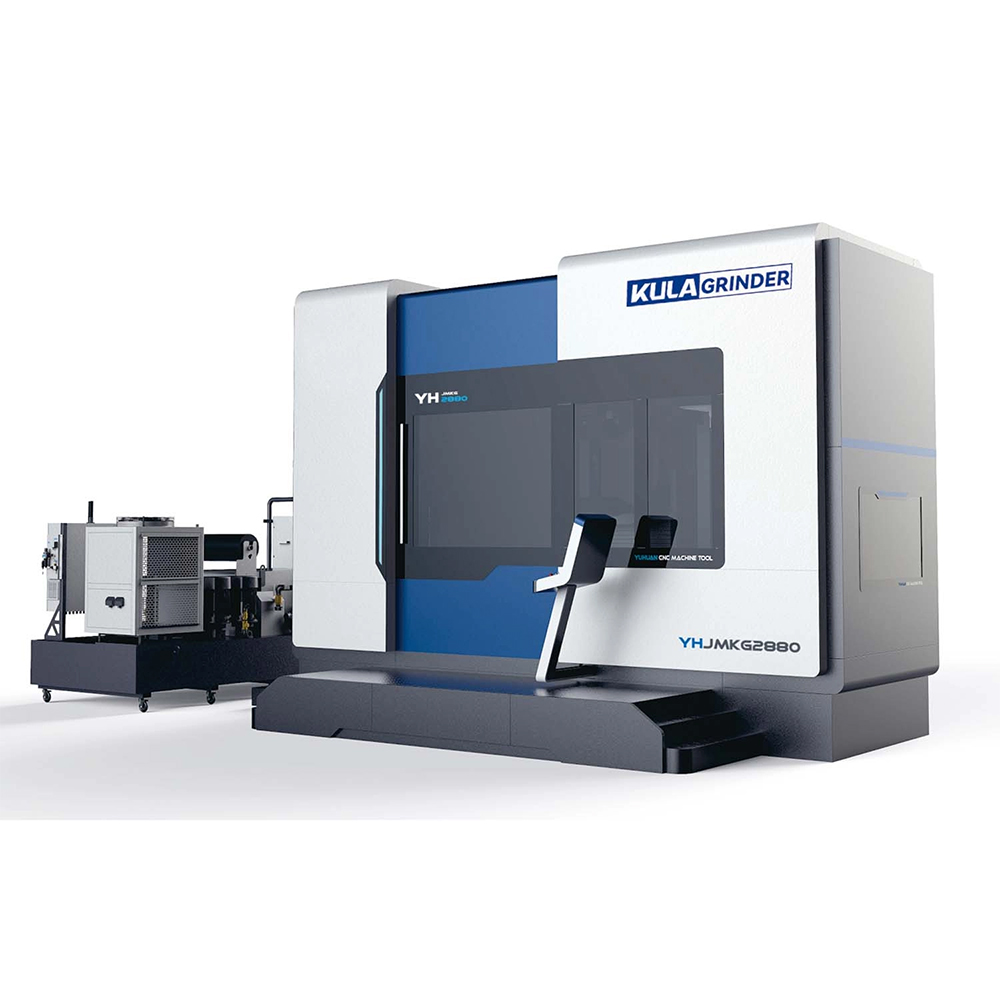
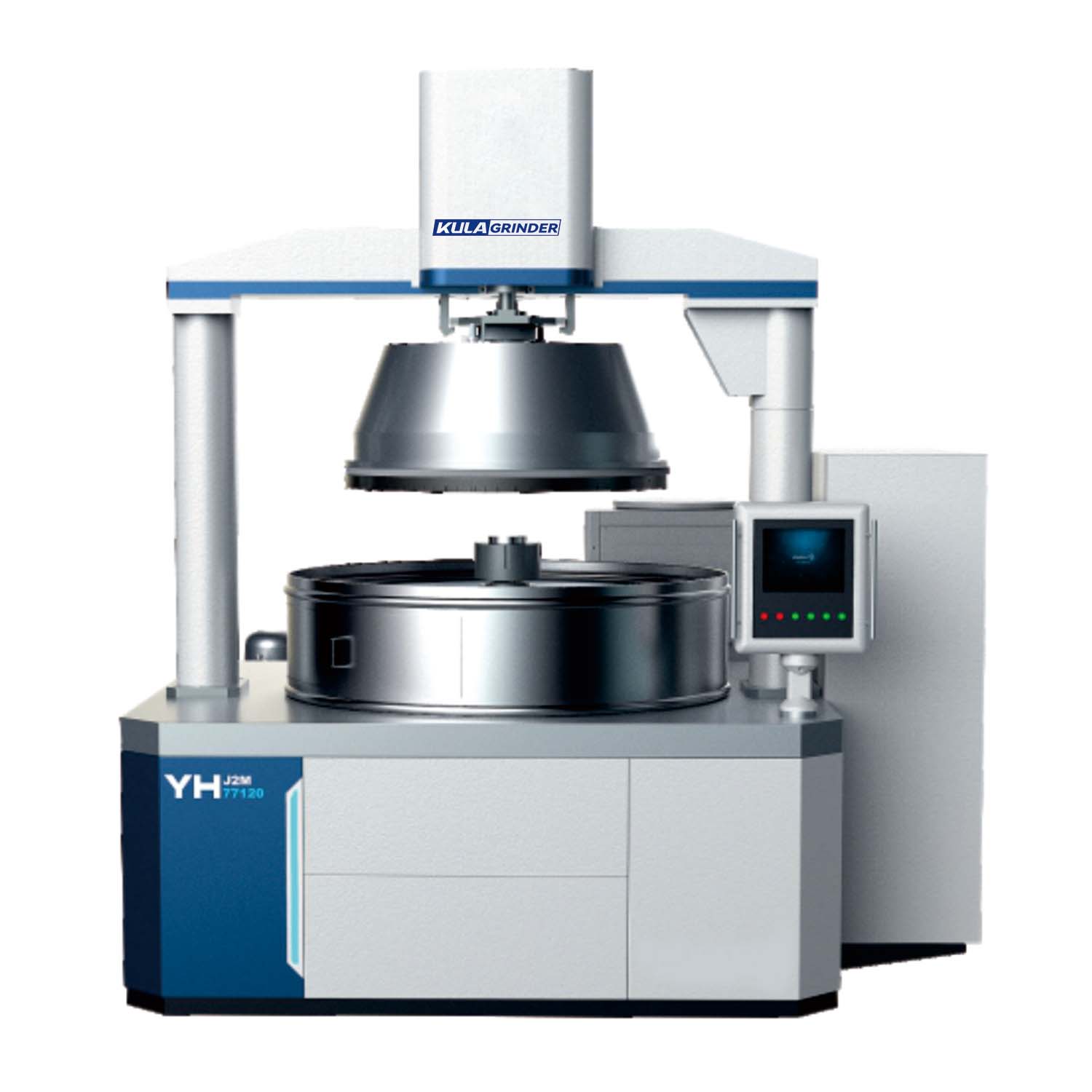
Are you looking to improve your grinding processes? CNC vertical grinders are a game-changer in precision grinding. These machines are vital in industries like aerospace, automotive, and manufacturing, offering unmatched efficiency and precision.
In this guide, we’ll walk you through how to operate a CNC vertical grinder. You’ll learn about setup, key components, and best practices to maximize performance and safety.
How Does a CNC Vertical Grinder Work?
Basic CNC Vertical Grinder Components
A CNC vertical grinder consists of several key components that work together to achieve precision grinding. These include:
Spindle: The spindle holds the grinding wheel and rotates it at high speeds.
Grinding Wheel: The abrasive wheel removes material from the workpiece, ensuring a smooth finish.
Bed: The bed supports the workpiece and allows movement during grinding.
CNC Control System: The control system guides the grinding process by programming the machine to adjust parameters like feed rate and depth of cut.
These components collaborate seamlessly to ensure the grinding process is accurate, consistent, and efficient.
Metals: Such as steel, aluminum, and titanium. CNC grinders excel at providing smooth surfaces on tough metals.
Ceramics: CNC grinders are particularly useful for working with hard materials like ceramics, which require high precision.
The versatility of CNC vertical grinders allows them to handle different materials effectively, improving production efficiency and product quality.
Step-by-Step Guide to Operating a CNC Vertical Grinder
1. Preparation
Before you begin, ensure the CNC vertical grinder is properly set up and ready for operation.
Machine Setup
Level the machine to ensure accurate grinding. Check for any misalignments or loose parts.
Make sure safety guards are in place to prevent accidents during operation.
Grinding Wheel Selection
Choose the right grinding wheel based on the material you're working with. For example, use diamond wheels for hard metals and abrasive wheels for softer materials.
Each wheel type has its benefits. Diamond wheels are ideal for precision, while abrasive wheels are suited for general grinding tasks.
Clamping the Workpiece
Secure the workpiece onto the chuck to prevent movement during grinding. Proper clamping is key to achieving a smooth, consistent finish.
Ensure the workpiece is aligned and balanced to avoid any vibration during grinding.
Loading CNC Program
Load the CNC program into the machine. This program controls the grinding process, adjusting parameters like feed rate, depth of cut, and spindle speed.
Double-check the program to ensure it matches your specific grinding requirements.
2. Setting Up the Grinding Process
Next, define the grinding parameters and ensure everything is in place for the cycle to run smoothly.
Defining Grinding Parameters
In the CNC program, set the grinding depth, feed rate, and spindle speed. These parameters directly influence the quality of the grind.
Adjust these parameters based on the material, desired finish, and the type of grinding you're doing.
Wheel Dressing
Wheel dressing is the process of sharpening the grinding wheel. This step ensures the wheel cuts efficiently and produces a precise finish.
Many CNC grinders automate wheel dressing to maintain optimal performance throughout the grinding cycle.
Safety Checks
Before starting the grind, perform a quick safety check. Make sure the workpiece is securely clamped, the wheel is correctly positioned, and all safety features are functional.
Safety interlocks should also be checked to avoid any accidents.
3. Operating and Monitoring the CNC Vertical Grinder
Once everything is set, you can begin the grinding process.
Starting the Grinding Cycle
Begin the grinding cycle by starting the CNC program. The machine will follow the predefined steps for grinding the workpiece.
During the cycle, the grinding wheel will move across the workpiece, removing material to achieve the desired shape and finish.
Monitoring the Grinding Process
Keep an eye on the machine during the cycle. Watch for any irregularities like vibrations, overheating, or unusual noise.
Make sure the machine is operating smoothly and the workpiece is showing the expected surface finish.
Making Adjustments
If you notice any issues, such as a rough surface or unwanted material removal, adjust the feed rate or depth of cut.
Real-time monitoring ensures the grinding process stays within specifications and produces high-quality results.
Completion and Removal of the Workpiece
Once the grinding cycle is complete, carefully remove the finished workpiece from the machine.
Follow safety procedures during removal to avoid injuries from sharp edges or hot components.
Key Considerations When Operating a CNC Vertical Grinder
Safety First
Personal Protective Equipment (PPE)
Always wear safety glasses, gloves, and ear protection when operating a CNC vertical grinder. These essential safety items protect you from flying debris, noise, and sharp edges.
Proper PPE reduces the risk of accidents, ensuring you stay safe while handling heavy machinery.
Machine Maintenance
Regular maintenance is crucial for keeping your CNC vertical grinder in top condition. Make sure to lubricate moving parts and clean the machine frequently to prevent wear and tear.
Performing routine checks on components like the spindle and control system helps maintain accuracy and prolongs the machine's lifespan.
Troubleshooting Common CNC Grinding Issues
Common problems include wheel wear, vibrations, or uneven grinding. Diagnosing issues early can save you time and resources.
Regular maintenance, such as checking the grinding wheel for damage and ensuring proper alignment, will help avoid these issues and improve the machine's performance.
Maximizing Efficiency with Advanced Features
Automatic Tool Changers (ATC)
The ATC allows the machine to change grinding wheels automatically, reducing setup time. This feature is especially useful for small batch runs and when high precision is needed.
By using multiple wheels in a single cycle, the ATC minimizes downtime and boosts productivity.
Integrated Part Measuring
CNC grinders equipped with integrated measuring systems allow you to monitor part accuracy during the grinding process. This eliminates the need for manual measurement, reducing human error.
The in-machine measurement ensures consistent quality control throughout production, making the grinding process more efficient.
Pallet Changers
Pallet changers allow you to load and unload workpieces without stopping the machine. This continuous operation significantly boosts throughput and machine utilization.
With pallet changers, you can keep the machine running, making it ideal for high-volume or multi-part operations.
Best Practices for CNC Vertical Grinding Operation
Grinding Wheel Selection Best Practices
Choosing the Right Wheel for Different Applications
Selecting the correct grinding wheel depends on the material you're working with and the desired finish. For example, harder metals may require diamond wheels, while abrasive wheels work well for softer materials.
Coarse grit wheels are ideal for rough grinding and material removal, while fine grit wheels are best for finishing work and achieving a smooth surface.
Optimizing CNC Programs
Fine-Tuning CNC Programs for Maximum Efficiency
To improve production times without sacrificing quality, it's important to fine-tune CNC programs. This involves adjusting parameters such as feed rate, depth of cut, and spindle speed.
Using trial runs and simulations helps identify optimal settings, ensuring that the machine operates at its best efficiency and minimizes errors.
Training and Skill Development for CNC Operators
Why Training is Crucial for CNC Vertical Grinder Operators
Well-trained operators ensure the CNC vertical grinder is used safely and effectively. Proper training minimizes the risk of errors and accidents, which can lead to machine damage or poor-quality results.
There are many CNC vertical grinder training programs available, from on-the-job training to formal courses that cover machine operation, troubleshooting, and maintenance.
Common CNC Vertical Grinder Mistakes to Avoid
Mistake #1: Incorrect Wheel Selection
Choosing the wrong grinding wheel can seriously affect the quality of your finished product. For example, using a coarse wheel for fine finishing work can leave rough surfaces, while a fine wheel might be inefficient for heavy material removal.
To avoid this, always choose the wheel based on the material you're grinding and the desired finish. Remember to regularly check wheel wear and replace when necessary to maintain consistent results.
Mistake #2: Failure to Check Parameters
Not setting or checking parameters like feed rate, depth of cut, and spindle speed can lead to poor grinding performance. If these settings are too high or low, it can result in excessive wear on the wheel, overheating, or inaccurate grinding.
Before starting the grinding cycle, ensure all parameters are properly set. Perform test runs to verify that the machine is working within optimal specifications.
Mistake #3: Inadequate Machine Maintenance
Neglecting regular machine maintenance can cause premature wear and eventual machine failure. Over time, dust, debris, and lack of lubrication can cause parts to deteriorate, reducing accuracy and increasing the risk of breakdowns.
To prevent this, stick to a routine maintenance schedule, including cleaning, lubricating moving parts, and checking for wear on critical components like the spindle and grinding wheel. Regular inspections can extend the life of your CNC vertical grinder.
Conclusion
Operating a CNC vertical grinder involves setup, selecting the right grinding wheel, and proper programming.
Safety, machine setup, and constant monitoring are essential throughout the process.
Regular maintenance and safety checks are key to maintaining your CNC vertical grinder.
Explore advanced grinding techniques or enroll in training to enhance your skills.
FAQ
Q: What safety measures should I follow while operating a CNC vertical grinder?
A: Always wear appropriate PPE, including safety glasses, gloves, and ear protection. Ensure the machine is properly set up, and never leave the machine running unattended.
Q: How can I troubleshoot common CNC grinding issues?
A: Common issues include inaccurate grinding, vibrations, or overheating. Check for worn grinding wheels, improper setup, or machine malfunctions. Adjust grinding parameters as needed, and consult the machine's manual for detailed troubleshooting.