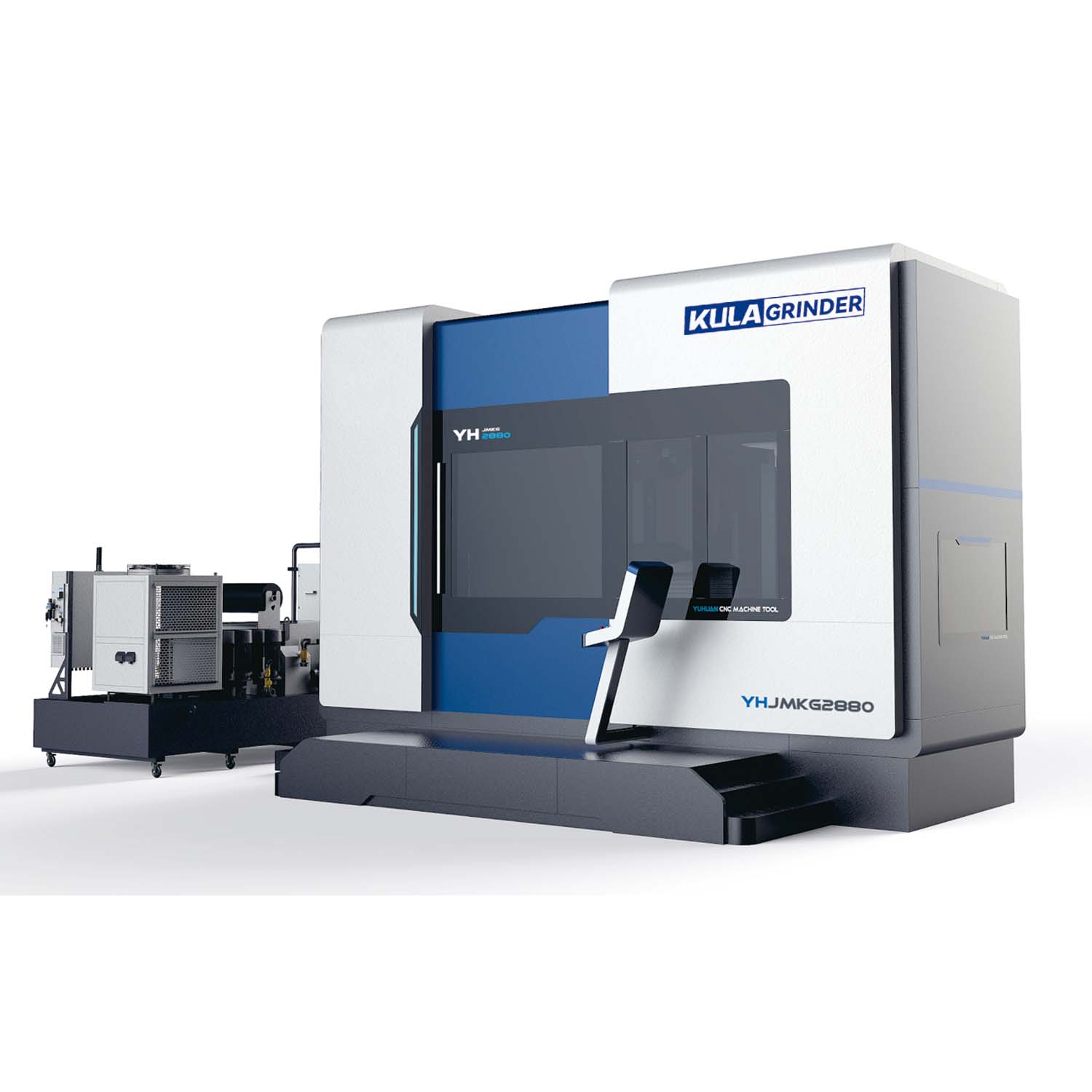
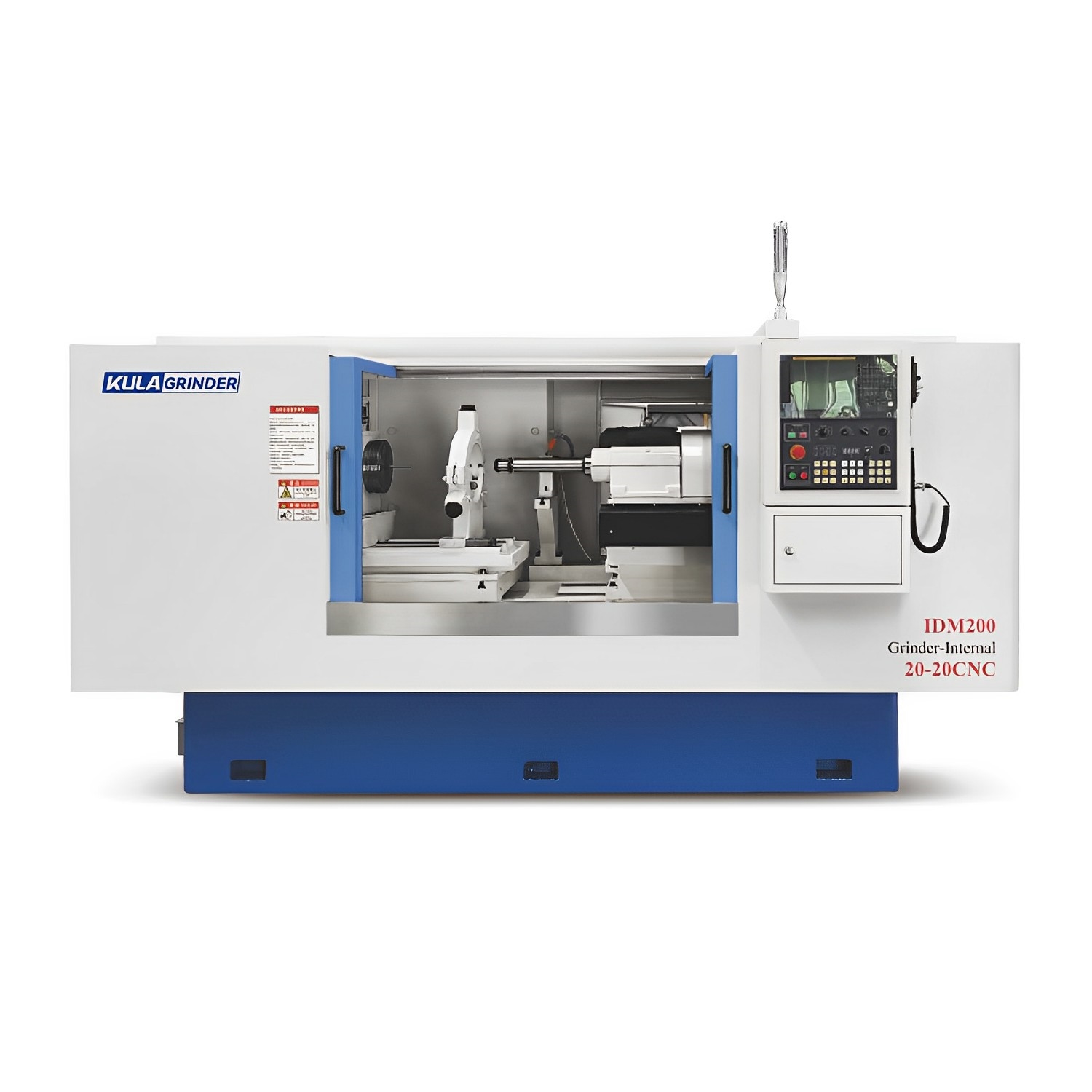
When choosing between a CNC vertical grinder and a CNC horizontal grinder, consider the unique features of the CNC vertical grinder. Each type excels in different applications, impacting your machining efficiency. Understanding these differences helps you make informed decisions that align with your operational needs.
Key Takeaways
CNC vertical grinders are ideal for precision work and smaller parts, offering better visibility and efficient chip removal.
CNC horizontal grinders excel in handling larger workpieces and provide superior stability, making them suitable for high-volume production.
Consider your specific needs, such as workpiece size and budget, when choosing between CNC vertical and horizontal grinders for optimal performance.
CNC vertical grinders offer several advantages that make them a popular choice in various machining environments. Here are some key benefits:
Space Efficiency: CNC vertical grinders have a smaller footprint compared to other grinder types. This compact design makes them ideal for shops with limited space, allowing you to maximize your operational area.
Enhanced Visibility: The vertical orientation provides better visibility of the workpiece during the grinding process. You can easily monitor the operation, ensuring precision and quality.
Improved Chip Removal: The vertical design facilitates efficient chip removal. This feature helps maintain a clean working environment and reduces the risk of contamination during machining.
Versatility: These grinders can handle a wide range of materials and part sizes. Whether you are working with small components or larger workpieces, CNC vertical grinders can adapt to your needs.
Cons of CNC Vertical Grinders
While CNC vertical grinders have many advantages, they also come with some drawbacks. Consider the following:
Limited Workpiece Size: Although versatile, CNC vertical grinders may not accommodate larger workpieces as effectively as horizontal grinders. If your projects often involve large components, this could be a limitation.
Higher Initial Investment: The cost of CNC vertical grinders can be higher than other types. This initial investment may deter some businesses, especially smaller operations with tight budgets.
Complex Setup: Setting up a CNC vertical grinder can be more complex than horizontal models. You may need specialized training to operate these machines effectively, which can increase operational costs.
Applications of CNC Vertical Grinders
CNC vertical grinders find applications across various industries due to their unique capabilities. Here are some common uses:
Aerospace: In the aerospace industry, precision is critical. CNC vertical grinders excel at producing components with tight tolerances, making them suitable for aircraft parts.
Automotive: The automotive sector often requires high-volume production of precision parts. CNC vertical grinders can efficiently handle these demands, ensuring consistent quality.
Medical Devices: The medical industry relies on precision components for devices and instruments. CNC vertical grinders provide the accuracy needed for these sensitive applications.
Tool and Die Making: Tool and die manufacturers benefit from the versatility of CNC vertical grinders. They can produce complex shapes and maintain tight tolerances, essential for high-quality tooling.
By understanding the pros and cons of CNC vertical grinders, you can make informed decisions about their applications in your specific industry.
CNC horizontal grinders offer distinct advantages that make them a preferred choice in many machining applications. Here are some key benefits:
Larger Workpiece Capacity: CNC horizontal grinders can accommodate larger workpieces more effectively than their vertical counterparts. This capability is essential for industries that frequently handle big components.
Superior Stability: The horizontal design provides better stability during the grinding process. This stability leads to improved accuracy and consistency in the finished product.
Enhanced Surface Finish Quality: These grinders excel in producing high-quality surface finishes. They utilize superhard grinding wheels, which enhance cutting ability and maintain roughness parameters essential for achieving superior finishes.
Evidence Description
Key Points
Use of superhard grinding wheels
Enhances cutting ability and maintains roughness parameters essential for high-quality finishes.
Advanced control systems
Allows for precise adjustments to maintain required roughness during grinding processes.
Innovative grinding methods
Improves the cutting ability of grinding wheels, leading to better surface finishes.
Ease of Setup and Operation: CNC horizontal grinders typically have simpler setups compared to vertical grinders. This ease of use can reduce training time and operational costs.
Cons of CNC Horizontal Grinders
Despite their advantages, CNC horizontal grinders also have some drawbacks. Consider the following:
Space Requirements: These grinders often require more floor space due to their horizontal design. This can be a limitation in smaller workshops where space is at a premium.
Visibility Challenges: The horizontal orientation may hinder visibility of the workpiece during operation. This can make it more difficult to monitor the grinding process closely.
Potential for Chip Accumulation: The design can lead to chip accumulation around the workpiece, which may require additional cleaning and maintenance efforts.
Applications of CNC Horizontal Grinders
CNC horizontal grinders find applications in various industries due to their unique capabilities. Here are some common uses:
Manufacturing: In manufacturing, these grinders are ideal for producing large batches of precision parts. Their ability to handle larger workpieces makes them suitable for high-volume production.
Aerospace: The aerospace industry relies on CNC horizontal grinders for components that require exceptional surface finishes and tight tolerances.
Energy Sector: In the energy sector, these grinders are used for turbine components and other critical parts that demand high precision and durability.
Heavy Machinery: CNC horizontal grinders are essential in the heavy machinery industry for grinding large components, ensuring they meet stringent quality standards.
By understanding the pros and cons of CNC horizontal grinders, you can make informed decisions about their applications in your specific industry.
Key Differences Between CNC Vertical and Horizontal Grinders
Design and Functionality
The design of CNC vertical and horizontal grinders significantly impacts their functionality. CNC vertical grinders feature a vertical spindle, which allows for better visibility and chip removal. This design is ideal for smaller parts and intricate shapes. In contrast, CNC horizontal grinders utilize a horizontal spindle, accommodating larger workpieces and providing superior stability during operation. This stability enhances the accuracy of the grinding process.
Precision and Efficiency
When it comes to precision, both grinders excel in different areas. CNC vertical grinders often achieve tighter tolerances, making them suitable for applications requiring high precision. However, CNC horizontal grinders typically offer faster cycle times, improving overall efficiency. You may find that the choice between these grinders depends on whether you prioritize precision or speed in your production process.
Cost Considerations
Cost is another critical factor to consider. CNC vertical grinders generally have a higher initial investment due to their advanced technology and capabilities. However, they can lead to lower operational costs in the long run, thanks to their efficiency and reduced waste. On the other hand, CNC horizontal grinders may have a lower upfront cost but could incur higher maintenance expenses over time. Evaluating your budget and long-term goals will help you make the best decision.
Case Study: Real-World Application
Industry Example
A leading aerospace manufacturer recently faced challenges in producing precision components for aircraft engines. They needed to enhance their grinding capabilities to meet strict industry standards. The company decided to invest in a CNC vertical grinder due to its ability to achieve tight tolerances and improve visibility during operations. This choice allowed them to efficiently grind complex shapes required for engine parts.
Outcomes and Results
After implementing the CNC vertical grinder, the manufacturer observed significant improvements:
Increased Precision: The new grinder achieved tolerances of ±0.0001 inches, meeting the stringent requirements of the aerospace sector.
Enhanced Productivity: The company reported a 30% increase in production speed. This boost allowed them to fulfill orders more quickly and efficiently.
Reduced Waste: The improved chip removal system minimized material waste, leading to cost savings. The cleaner working environment also enhanced safety for operators.
Quality Assurance: The manufacturer noted a 25% reduction in rework due to improved surface finishes. This enhancement increased customer satisfaction and strengthened their market position.
This case study illustrates how selecting the right grinder can lead to substantial operational benefits. By understanding your specific needs, you can make informed decisions that drive success in your industry.
In summary, CNC vertical grinders excel in precision and visibility, while CNC horizontal grinders offer larger workpiece capacity and stability. When selecting a grinder, consider these factors:
Cutting Data: Assess the cutting data for your specific needs.
Grinding Modes: Evaluate the grinding modes to optimize performance.
Technical Constraints: Identify any technical constraints that may affect your choice.
Choose the grinder that aligns with your operational goals for optimal performance.
FAQ
What is the main difference between CNC vertical and horizontal grinders?
CNC vertical grinders excel in precision and visibility, while horizontal grinders handle larger workpieces and provide better stability.
Which grinder is more cost-effective?
CNC horizontal grinders usually have a lower initial cost, but vertical grinders may reduce long-term operational expenses due to efficiency.
Can I use both types of grinders in my shop?
Yes, many shops utilize both CNC vertical and horizontal grinders to meet diverse machining needs and optimize production capabilities.